
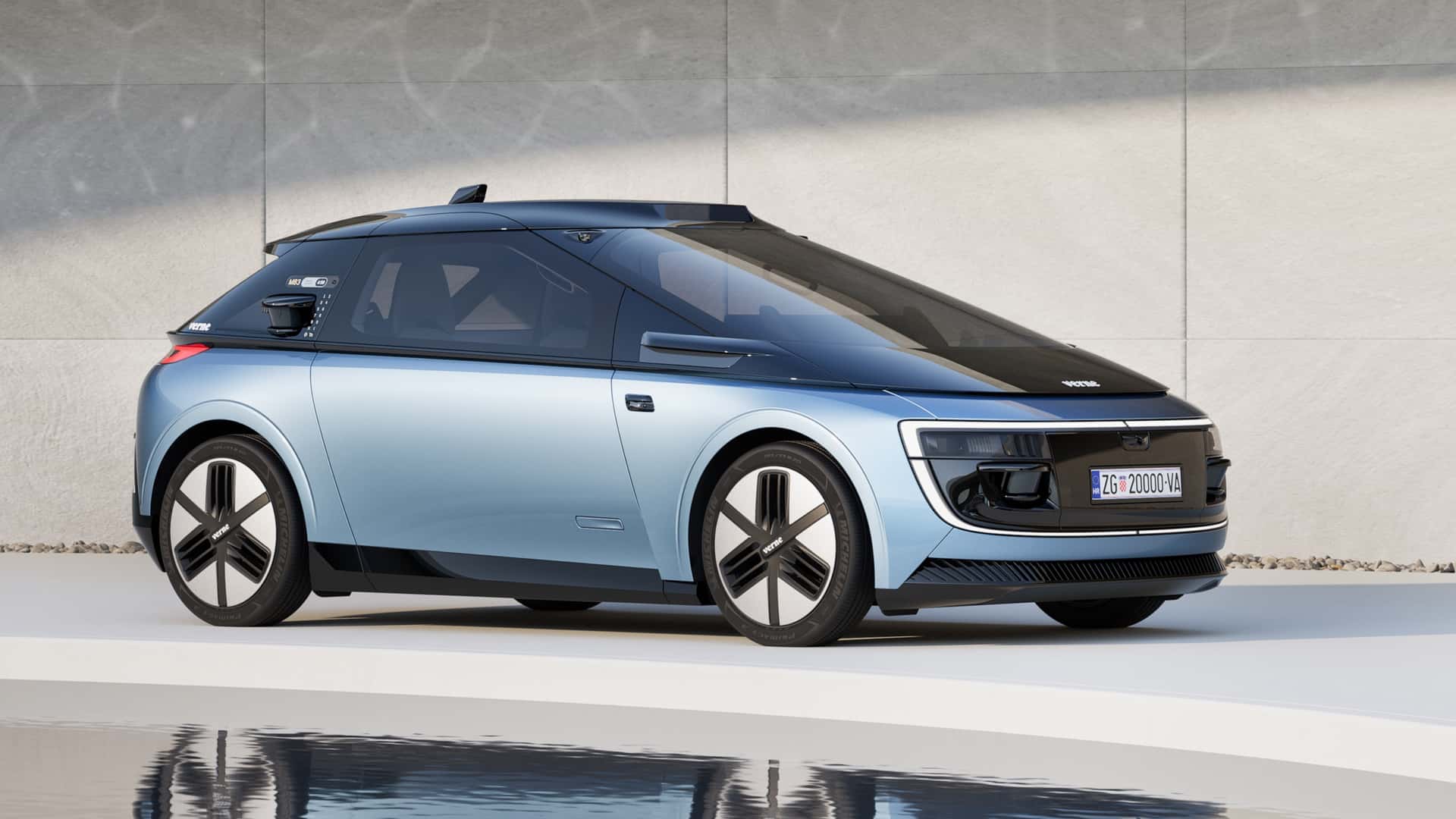
Uber built its empire on an asset-light model. The company connected drivers with riders, avoided owning fleets and shifted most of the operational burden onto independent contractors. That formula helped turn ride-hailing into a global business.
Now Uber is moving in the opposite direction.
The company has committed more than $10 billion to autonomous vehicle technology through direct investments and planned robotaxi purchases. Around $2.5 billion has gone into equity stakes in self-driving companies, while roughly $7.5 billion is earmarked for buying robotaxi fleets over the coming years.
That shift represents one of the biggest strategic changes in Uber’s history. For years, the company avoided owning physical assets wherever possible. Investors praised the approach because it kept costs down and allowed Uber to scale quickly across cities and countries. Owning thousands of autonomous vehicles changes that equation.
The strategy reflects a growing belief inside the company that robotaxis could become the next major battleground in mobility. Rather than developing all of the technology itself, Uber has positioned itself as the marketplace where multiple autonomous vehicle companies can operate. It is backing manufacturers, software developers and fleet operators at the same time.
Uber’s recent deals reveal how broad that strategy has become.
The company partnered with Rivian on a future fleet of fully autonomous R2 robotaxis, beginning with an initial $300 million investment and plans to buy 10,000 vehicles. Uber also secured the option to purchase as many as 40,000 more from 2030 onwards. The vehicles are expected to launch in cities including San Francisco and Miami in 2028.
Uber has also aligned itself with companies including Baidu, Lucid, Nuro, Nissan, Wayve and Volkswagen’s MOIA unit. In Los Angeles, Volkswagen and Uber have already started testing autonomous ID. Buzz microbuses ahead of a commercial launch expected later this decade.
That breadth matters because no single company has yet emerged as the dominant force in robotaxis. Some firms excel at software. Others focus on vehicle manufacturing. A few specialise in fleet operations or regulatory approvals. Uber appears determined to sit in the middle of the ecosystem, collecting demand from riders while leaving partners to handle much of the underlying technology.
The model resembles how major online marketplaces evolved. Amazon did not need to manufacture every product it sold. Airbnb did not need to own hotels. Uber now wants to become the central booking platform for autonomous transport, regardless of which company builds the vehicle.
The economics could be powerful if the technology works at scale. Human drivers remain one of Uber’s biggest costs. Robotaxis offer the possibility of lower operating expenses, more consistent pricing and vehicles that can run nearly around the clock without breaks, shift limits or labour disputes. The narrowing price gap between driverless rides and traditional ride-hailing suggests that transition may already be underway.
The risk sits in the size of the bet.
What happens if consumers remain hesitant about driverless vehicles? What if regulators slow expansion? What if the technology proves more expensive to maintain than expected? These are not small questions for a company that built its identity around staying lean.
Uber’s aggressive spending also arrives at a time when the wider transport sector is becoming increasingly competitive. Tesla is expanding its robotaxi ambitions, Waymo continues to scale, and new partnerships are emerging across Asia, Europe and the United States. Uber risks being left behind if it does not secure a leading position now.
The company’s approach suggests executives believe the larger danger lies in waiting too long rather than moving too early.
For Uber, the era of avoiding assets appears to be ending. The company that once disrupted transport without owning cars is now preparing to buy thousands of them.
Author: George Nathan Dulnuan