
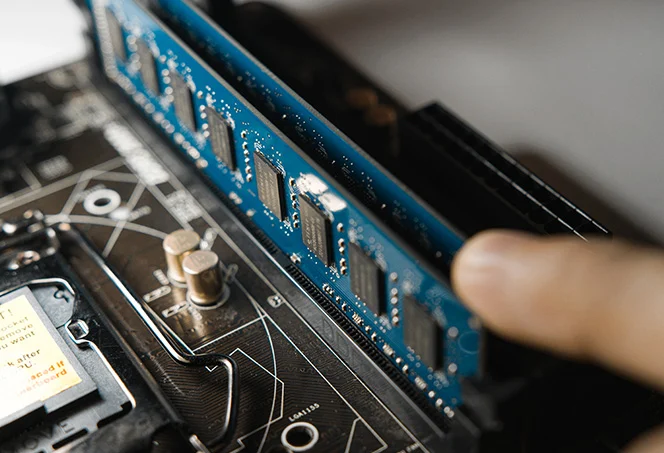
A global memory shortage is pushing up prices for devices from Samsung and Microsoft, highlighting the growing impact of AI demand on consumer technology.
Reports indicate some Microsoft Surface devices increased by “up to $500”, while selected Samsung Galaxy smartphones and tablets saw price rises linked to higher memory costs.
The increases include:
• Surface Laptop rising from $999 to $1,499
• Samsung Galaxy devices increasing by $40–$80
• Tablet prices climbing by up to $280
AI infrastructure sits behind the shift. Data centres require large volumes of memory to train and run models. As companies expand AI capacity, available supply tightens for consumer devices.
The trend mirrors previous market shifts. During the global chip shortage, car manufacturers delayed production due to semiconductor constraints. AI demand is now creating similar pressure across technology sectors.
Consumers face practical consequences. Businesses must decide whether to absorb higher costs or pass them on. Samsung and Microsoft appear to be adjusting pricing strategies to maintain margins.
The situation raises broader questions. What happens if AI demand continues rising? Could laptops and smartphones become more expensive across the industry? Will manufacturers prioritise enterprise customers over consumers?
Memory chips are becoming strategic resources. As AI expands, hardware availability is shaping pricing decisions across the technology market.
Author: Pishon Yip