
Category: Technology / Hardware
Published: April 8, 2026
As RAM prices continue to climb in 2026, Intel is doubling down on an unexpected strategy by keeping its older processors alive.
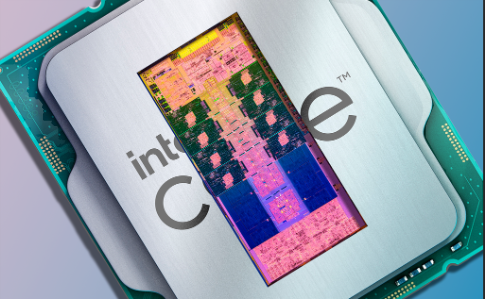
The company has confirmed that its 13th and 14th Gen Core processors, known as Raptor Lake, will remain in production for the foreseeable future. According to Intel executive Robert Hallock, these chips are still a big part of the company’s roadmap.
The reasoning is simple: affordability.
With DDR5 memory prices still extremely high due to demand from AI companies and data centers, many PC users are struggling to upgrade their systems. That’s where Raptor Lake stands out because it supports both DDR4 and DDR5 memory, giving users a cheaper upgrade path.
Newer Intel chips like the Arrow Lake series require DDR5, making them significantly more expensive to build around.
For gamers and everyday users, that difference matters.
Instead of replacing an entire system, users can pair a Raptor Lake CPU with existing DDR4 RAM and compatible motherboards, cutting upgrade costs dramatically. This flexibility has made older Intel chips surprisingly relevant again.
However, there are trade-offs.
Raptor Lake processors are no longer cutting-edge, and newer architectures offer better efficiency, performance improvements, and long-term support. There was also controversy in 2024 surrounding instability issues in early batches of these chips, though Intel has since addressed the problem.
So, are they worth buying in 2026?
For budget-conscious users, especially gamers, the answer is often yes. Raptor Lake offers strong performance at a lower total system cost, making it one of the most practical options in today’s inflated hardware market.
But for those seeking future-proofing, newer platforms may still be the better investment.
Ultimately, Intel’s decision reflects a broader trend in the tech industry. When prices rise, older technology does not disappear, it becomes valuable again.
Author.Adigun Adedoye