
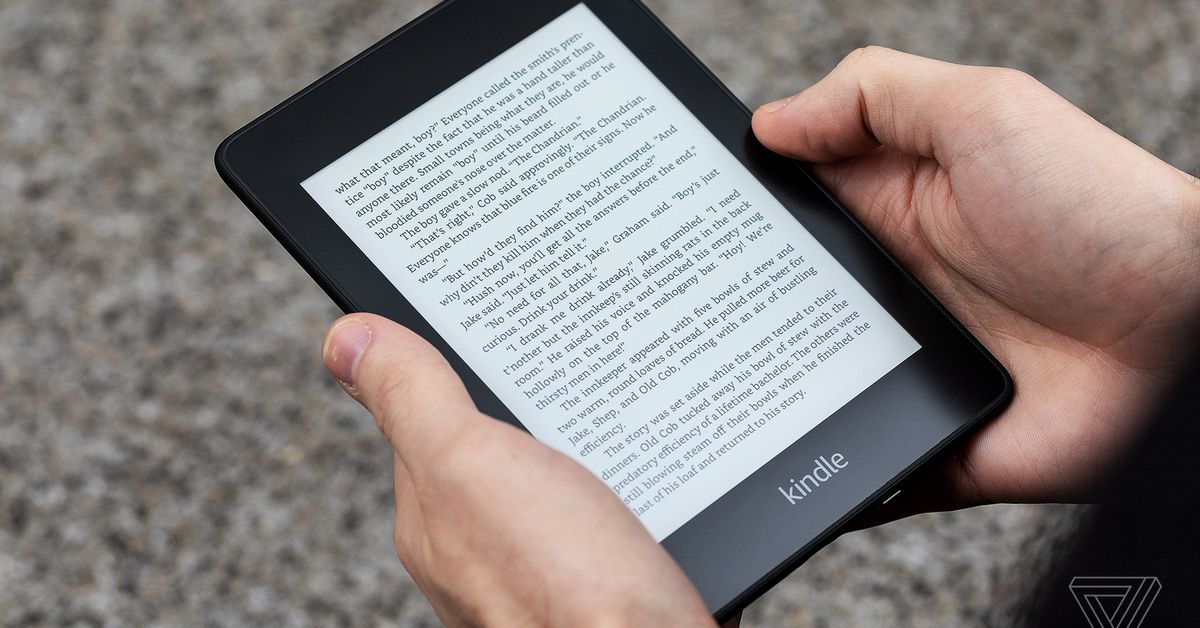
Owners of older Kindle devices are increasingly turning to jailbreaking and unofficial software modifications after Amazon began ending support for ageing models.
The changes mean some older Kindles are losing access to features, updates, and parts of Amazon’s ecosystem, pushing users to look for alternatives to keep devices functional for longer.
Jailbreaking allows users to bypass software restrictions, install custom tools, and gain greater control over their devices. For many Kindle owners, it offers a way to extend usability rather than replace hardware entirely.
Supporters argue the trend reflects growing frustration with planned obsolescence, where products gradually lose functionality despite still working physically. Others see it as part of a wider “right to repair” movement, giving consumers more freedom over the technology they own.
However, modifying devices can also introduce risks, including security vulnerabilities, software instability, and loss of official support. Users may also struggle to access future updates or services.
The situation highlights a broader issue across consumer technology. As companies phase out older products, many users are questioning how long devices should realistically remain supported and whether software limitations are encouraging unnecessary upgrades.
For Amazon, the move may help streamline newer platforms, but it also risks increasing criticism around sustainability and long-term product support.
The growing interest in jailbreaking suggests some consumers are choosing independence over replacement, especially when older devices remain capable of meeting everyday needs.
Author: Kieran Seymour