
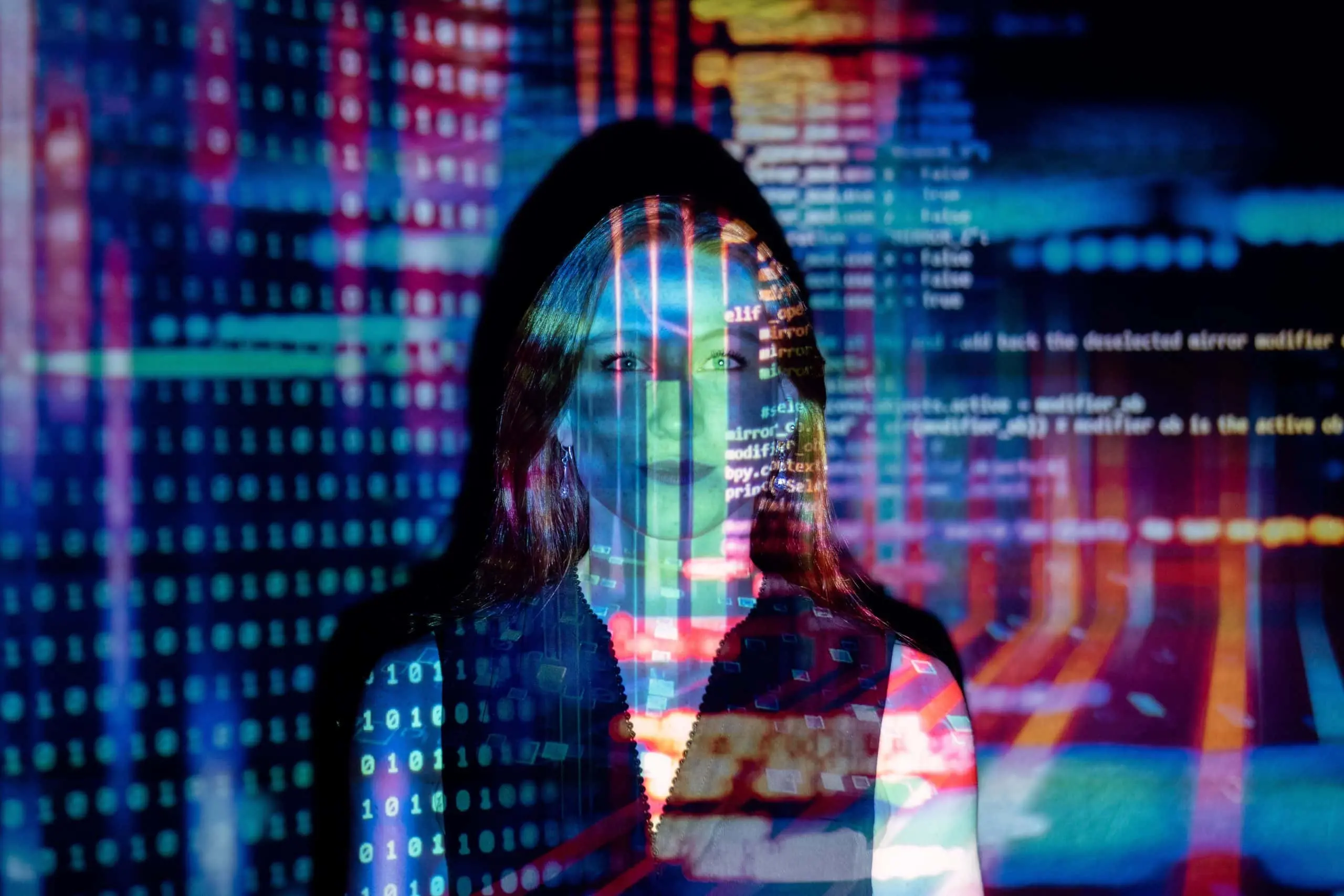
AI-generated scams are becoming increasingly difficult to detect as cybercriminals use advanced artificial intelligence tools to create more realistic and convincing attacks. From fake phone calls and cloned voices to AI-written emails and deepfake videos, scammers are using technology to trick victims in ways that were once impossible.
One of the biggest concerns is the rise of AI voice cloning. Scammers can now copy someone’s voice using only a short audio sample taken from social media videos, voice messages, or online content. These fake voices are being used in phone scams targeting families, businesses, and even financial institutions.
AI-generated phishing emails and fake websites are also becoming more sophisticated. Unlike older scams filled with spelling mistakes and obvious warning signs, modern AI tools can generate professional-looking messages that closely imitate real companies and trusted organizations. This makes it harder for users to recognize fraudulent content.
Deepfake technology is adding another layer to the problem. Fake videos and AI-generated images are being used to impersonate public figures, company executives, and online influencers. Experts warn that as these tools improve, misinformation and digital fraud could spread much faster across social media and communication platforms.
Cybersecurity experts say awareness and digital literacy are becoming more important than ever. Companies are investing heavily in AI-powered security systems to fight back against automated scams, but the technology race between cybercriminals and security teams continues to intensify. As AI tools become more accessible, the challenge of identifying what is real online may only grow more difficult.
Author: Victor Olowomeye