
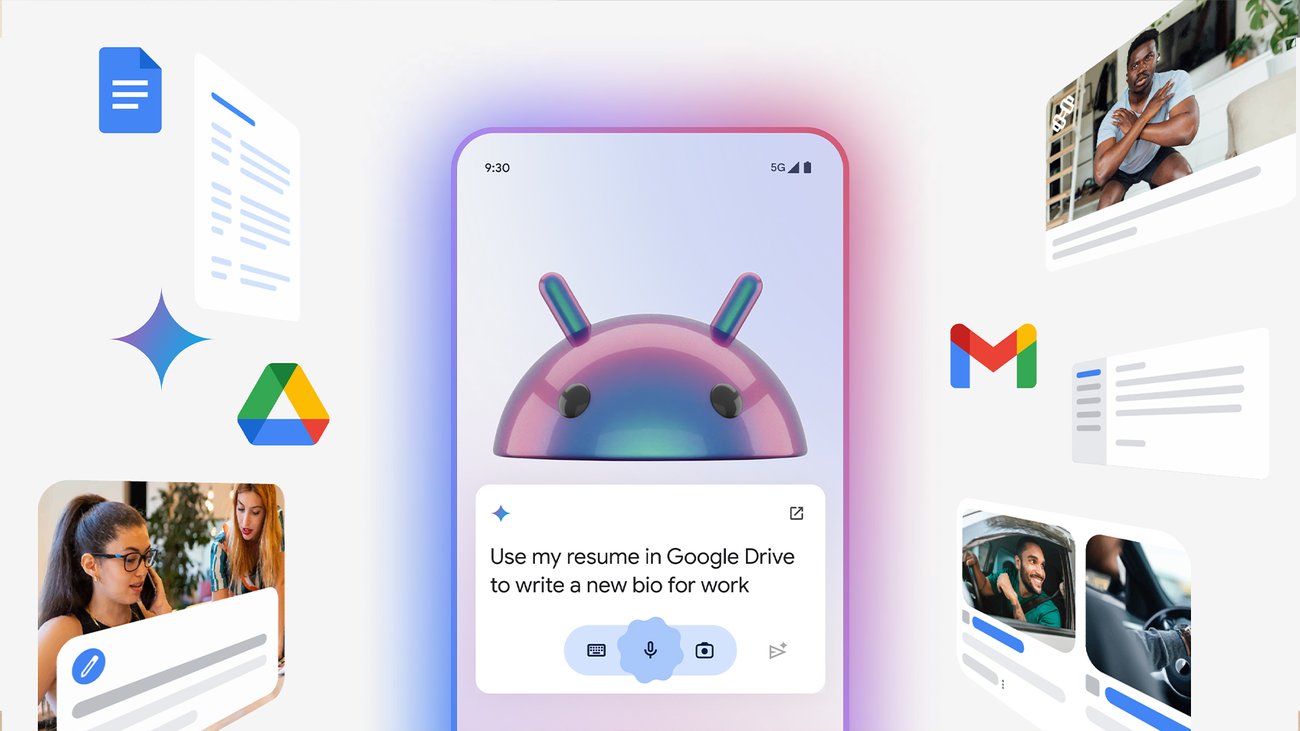
Google is pushing Android further into the AI era with a new wave of “agentic” features designed to make smartphones act more independently and intelligently.
The company unveiled a series of Gemini-powered upgrades that allow Android devices to complete tasks on behalf of users rather than simply responding to commands. These AI agents can handle actions across apps, automate workflows, and assist with everyday tasks such as bookings, scheduling, and organisation.
One of the most notable additions is a new feature called “Create My Widget”, which lets users generate Android widgets using natural language prompts. Instead of manually designing interfaces, users can describe what they want and AI will build the widget automatically.
The rollout reflects Google’s broader strategy to turn Android from a traditional mobile operating system into what it describes as an “intelligence system” powered by Gemini AI.
Alongside the new AI tools, Google also introduced upgraded voice dictation, smarter automation features, and deeper AI integration across Android devices, including phones, laptops, cars, and wearables.
The move signals a major shift in how mobile software is evolving. Rather than users navigating apps manually, AI systems are increasingly being designed to anticipate intent and complete actions automatically.
However, the rise of “agentic AI” also raises concerns around privacy, reliability, and security. Giving AI broader access across devices could make smartphones more useful, but also increases the importance of safeguards and transparency.
The update highlights how the smartphone industry is moving towards AI-first experiences, where software becomes less about tapping apps and more about communicating intent.
Author: Kieran Seymour