
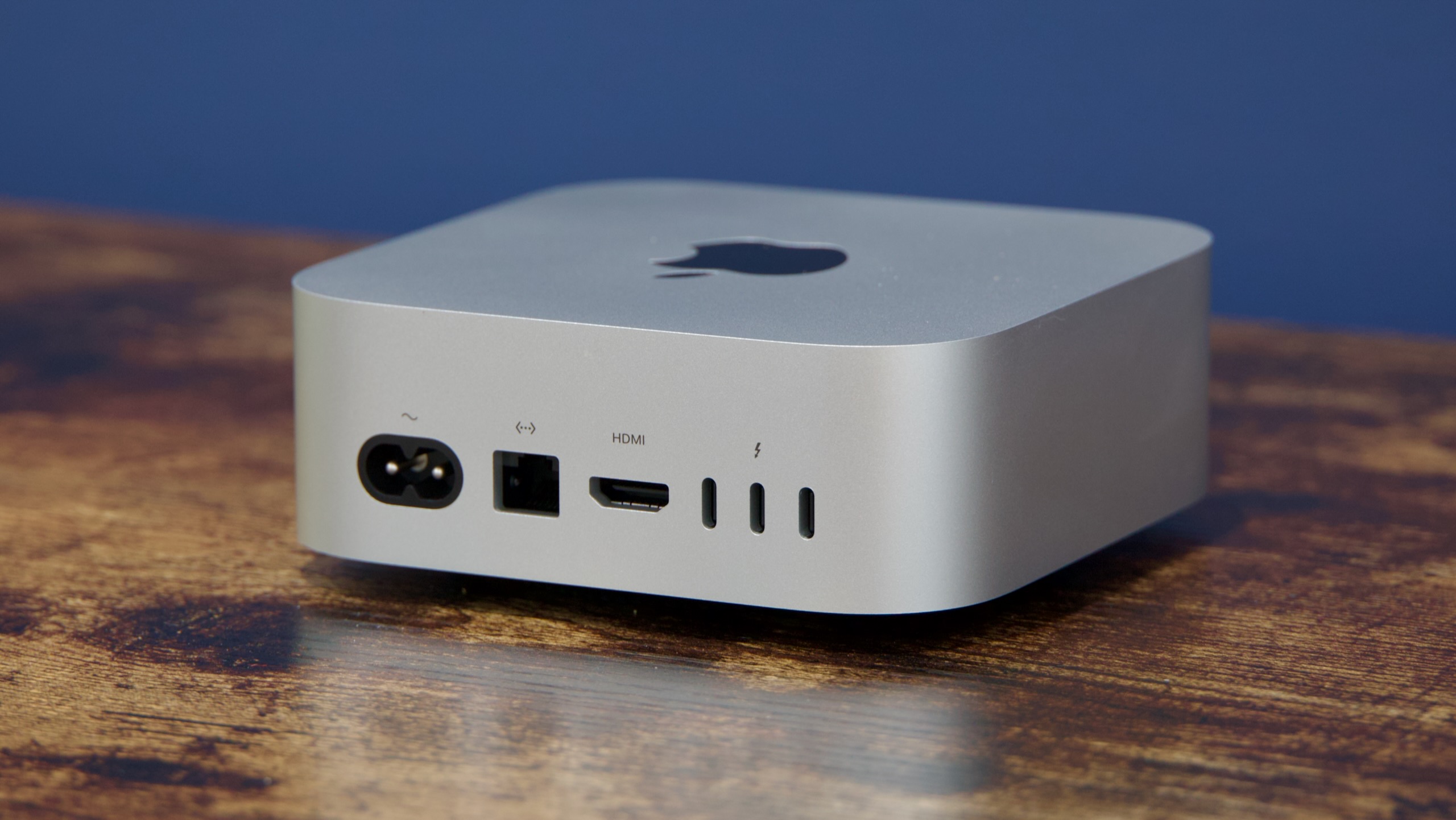
Apple’s latest Mac mini and Mac Studio models are becoming increasingly difficult to buy, as stock shortages intensify across key global markets.
What began as extended shipping delays has now escalated into outright unavailability. Certain high-spec configurations — particularly those with larger memory capacities — have disappeared from Apple’s online store in the United States. The same trend is now visible in the UK and Australia, where select models can no longer be purchased at all.
The shortages appear most acute at the premium end of the range. Configurations such as the Mac mini with 32GB of RAM and the Mac Studio equipped with 256GB of memory have been hit hardest, suggesting that demand for more powerful machines is outpacing supply.
For the models that remain available, waiting times have stretched significantly. In some cases, delivery estimates now extend several months, pointing to sustained pressure on Apple’s production and distribution pipeline.
This pattern raises a familiar question: is this simply a supply issue, or a signal of something more strategic?
Historically, when Apple quietly removes configurations from sale, it often precedes a product transition. The recent discontinuation of the Mac Pro followed a similar trajectory, where limited availability gave way to a full refresh. That context has fuelled speculation that updated Mac mini and Mac Studio models — potentially powered by next-generation M5 chips — could be approaching.
At the same time, broader industry dynamics cannot be ignored. The surge in demand for AI infrastructure has placed strain on global supplies of memory and storage components. Data centres competing for high-performance hardware are reshaping supply chains, and consumer devices are beginning to feel the impact.
There is also a behavioural shift among users. Developers and enthusiasts are increasingly turning to Mac desktops to run local AI models, driving demand for machines with higher RAM configurations. That trend helps explain why the most powerful variants are disappearing first.
Online discussions reflect this momentum, with users pointing to “insane demand” as a primary factor behind the shortages. Whether driven by AI workloads, anticipation of new hardware, or both, the result is the same: supply is struggling to keep pace.
Apple has not yet commented on the situation, leaving room for interpretation. It is possible that multiple forces are converging — constrained component supply, rising demand, and an impending product refresh.
For buyers, one practical consideration stands out. Apple’s unified memory architecture means RAM is integrated directly into the chip, making upgrades impossible after purchase. Choosing the right configuration upfront is not just important — it is permanent.
The current shortage may prove temporary. Or it may mark the transition point to a new generation of Macs. The question now is whether Apple is responding to demand — or preparing to redefine it.
Author: George Nathan Dulnuan