
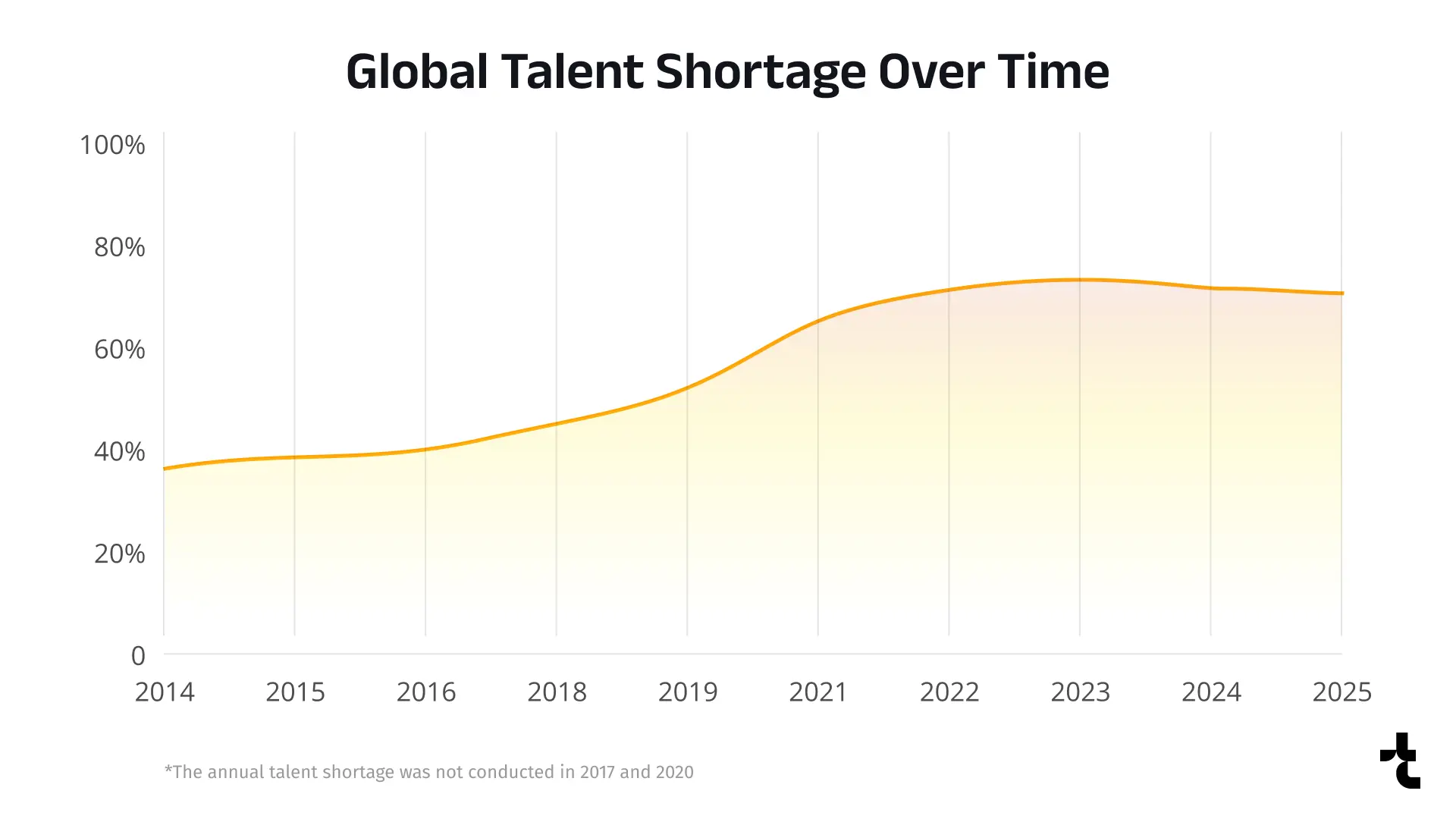
Global demand for cybersecurity professionals far outstrips supply. Recent estimates place the worldwide talent gap at 4.8 million unfilled roles, a figure projected to remain severe through 2026. Nearly three quarters of organisations report that this deficit already affects daily operations, with the impact hitting hardest in critical infrastructure and operational technology environments.
The SANS Institute 2026 Cybersecurity Workforce Research Report delivers a stark warning. Twenty seven percent of organisations directly link recent breaches to workforce capability gaps. Teams may exist on paper, yet they often lack the specialised skills required to defend against sophisticated modern threats.
Regulatory demands continue to rise while hiring freezes and heavy reliance on outsourcing expose the true scale of the problem. Sectors such as energy, transport, and healthcare shoulder the heaviest burden as legacy systems confront advanced attacks with understaffed defence teams.
Fortinet’s research reinforces the urgency. Eighty six percent of organisations suffered breaches in 2024, with more than half facing remediation costs that exceeded one million dollars. A single skills shortfall can delay threat detection by weeks and drive recovery expenses into the millions.
Leaders in these high stakes fields now recognise the direct connection between talent shortages and physical risk. Prolonged disruptions threaten not only data but essential services that societies depend upon.
Author:Oje. Ese