
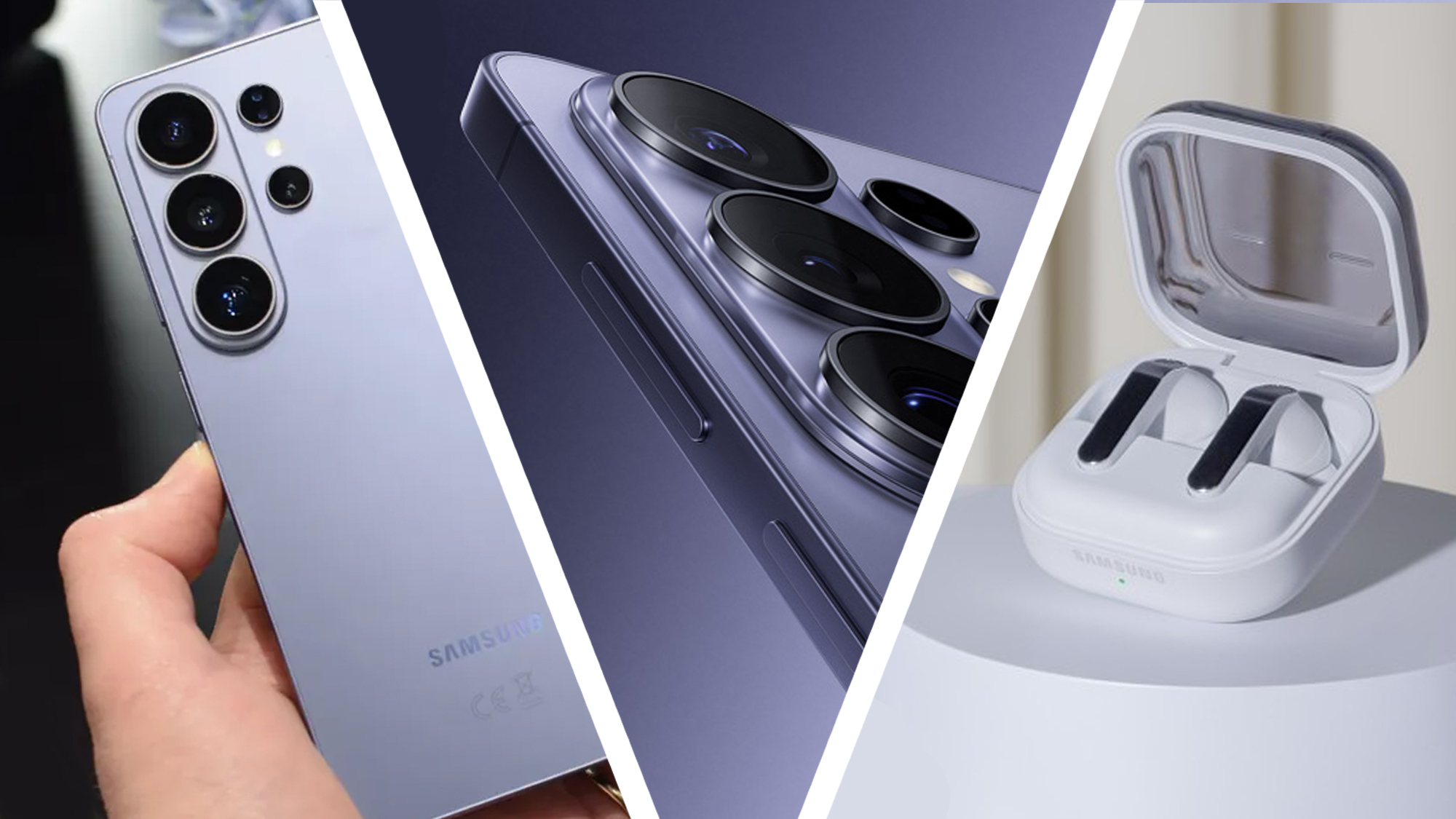
Samsung is bringing artificial intelligence directly into smartphones with its Galaxy AI features, aiming to transform how people communicate, create and interact with their devices. Rather than relying solely on cloud-based tools, the company is integrating AI into the phone itself, allowing faster responses, improved privacy and more seamless everyday use. This shift reflects a broader move across the tech industry to make AI a built-in part of daily digital experiences.
At the core of Galaxy AI is a suite of features designed to simplify common tasks. Tools like Live Translate allow real-time voice and text translation during calls, while Chat Assist can rewrite messages in different tones, making communication more flexible. Circle to Search lets users highlight anything on their screen to instantly search for more information, reducing the need to switch between apps.
Samsung is also focusing heavily on productivity and content creation. AI-powered note-taking can summarise long text into key points, while image editing tools allow users to remove objects or enhance photos with minimal effort. These features aim to save time and make advanced capabilities accessible without requiring specialised skills, bringing professional-level tools to everyday users.
The company’s approach combines on-device processing with cloud support, balancing speed with more complex AI tasks. Running certain features locally reduces latency and keeps sensitive data more secure, while cloud integration ensures the system can handle more demanding operations when needed. This hybrid model is becoming increasingly important as users expect both performance and privacy.
Samsung’s push into AI-powered smartphones raises a key question: will integrated AI become the defining feature of future devices, or simply an added convenience? As competition grows and more brands introduce similar capabilities, the real challenge will be delivering features that genuinely improve how people use their phones every day.
Author: Victor Olowomeye