
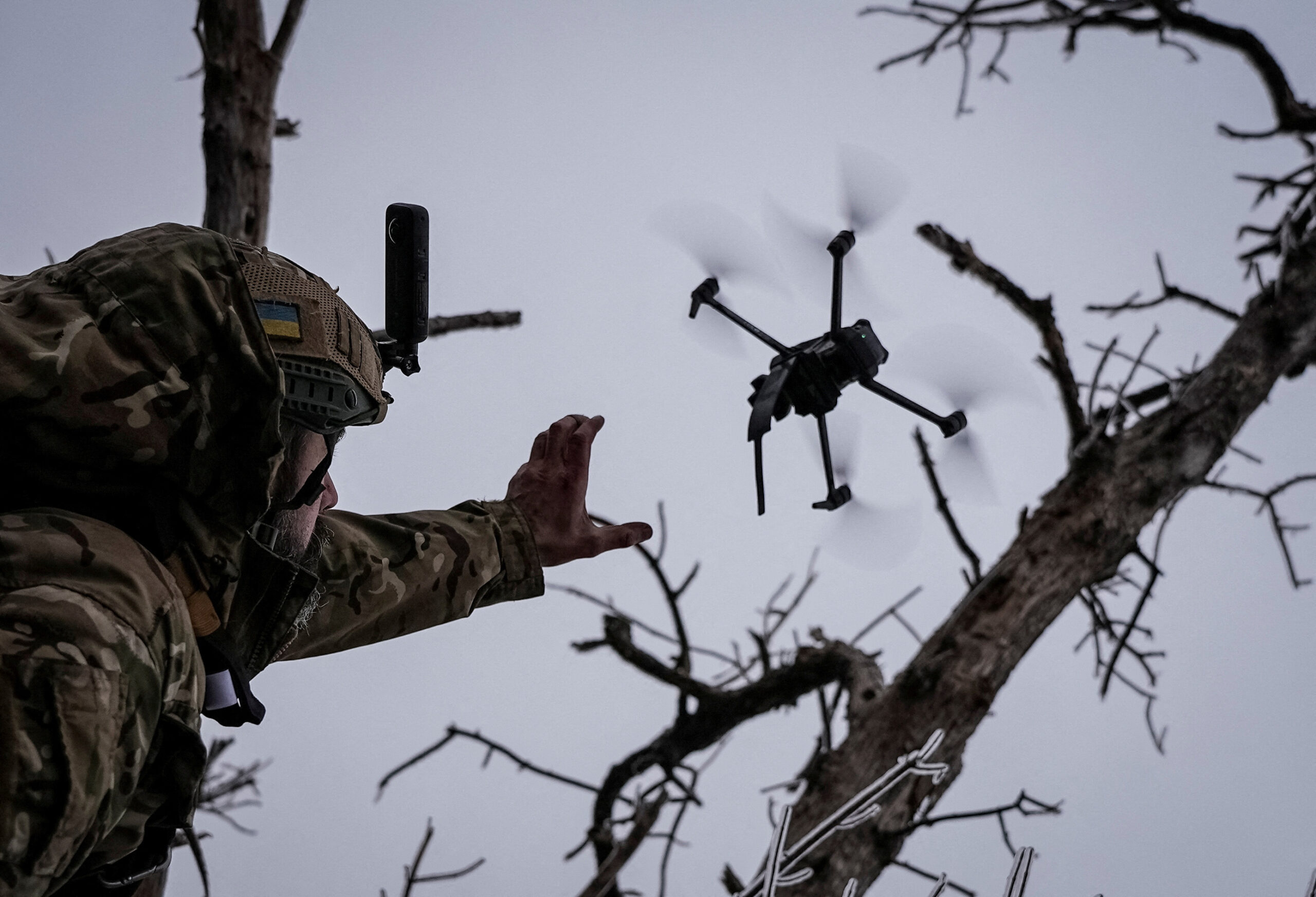
Ukraine is moving rapidly towards a battlefield where robots take on much of the dangerous work once handled by soldiers.
The country plans to contract 25,000 unmanned ground vehicles in the first half of 2026 alone, more than double the number procured during all of last year. Ukrainian officials want these machines to handle 100% of frontline logistics, from carrying supplies and evacuating wounded troops to laying mines and attacking enemy positions.
That ambition reflects how quickly robotic warfare is evolving. Ukrainian forces completed more than 22,000 ground robot missions in the past three months, compared with just 2,000 during the previous six months. In March alone, the machines carried out more than 9,000 missions.
For Ukraine, the logic is straightforward. The country faces a larger Russian force and cannot afford heavy troop losses. Robots can move ammunition, deliver food, recover injured soldiers and enter dangerous zones without risking human lives. President Volodymyr Zelenskyy recently said “lives were saved more than 22,000 times when a robot went into the most dangerous areas instead of a warrior.”
Ukraine’s defence technology industry has expanded alongside that shift. More than 280 companies are now developing robotic systems, with government-backed programmes helping manufacturers scale production quickly. Officials have already signed 19 contracts worth around $250 million to accelerate deployment.
China is exploring a different use for robotics and artificial intelligence.
Reports suggest Chinese authorities are considering riot-control units made up of robots and AI-controlled drones, overseen by human operators who would step in only when needed. The concept could allow law enforcement to deploy machines instead of officers in potentially volatile situations.
The contrast is striking. Ukraine sees robots as a way to save soldiers during wartime. China appears more interested in using them to manage domestic unrest.
Both approaches point to the same conclusion: robots are no longer confined to research labs or factory floors. They are moving into some of the most sensitive and dangerous parts of society.
That raises difficult questions. What happens when autonomous machines make battlefield decisions faster than humans can respond? How much authority should police or military forces hand to AI systems? If a robot makes the wrong decision in combat or during a protest, who carries the blame?
Those debates are likely to intensify as governments push further into robotic warfare and automated policing. The technology is advancing quickly. The rules around it are still catching up.
Author: George Nathan Dulnuan