
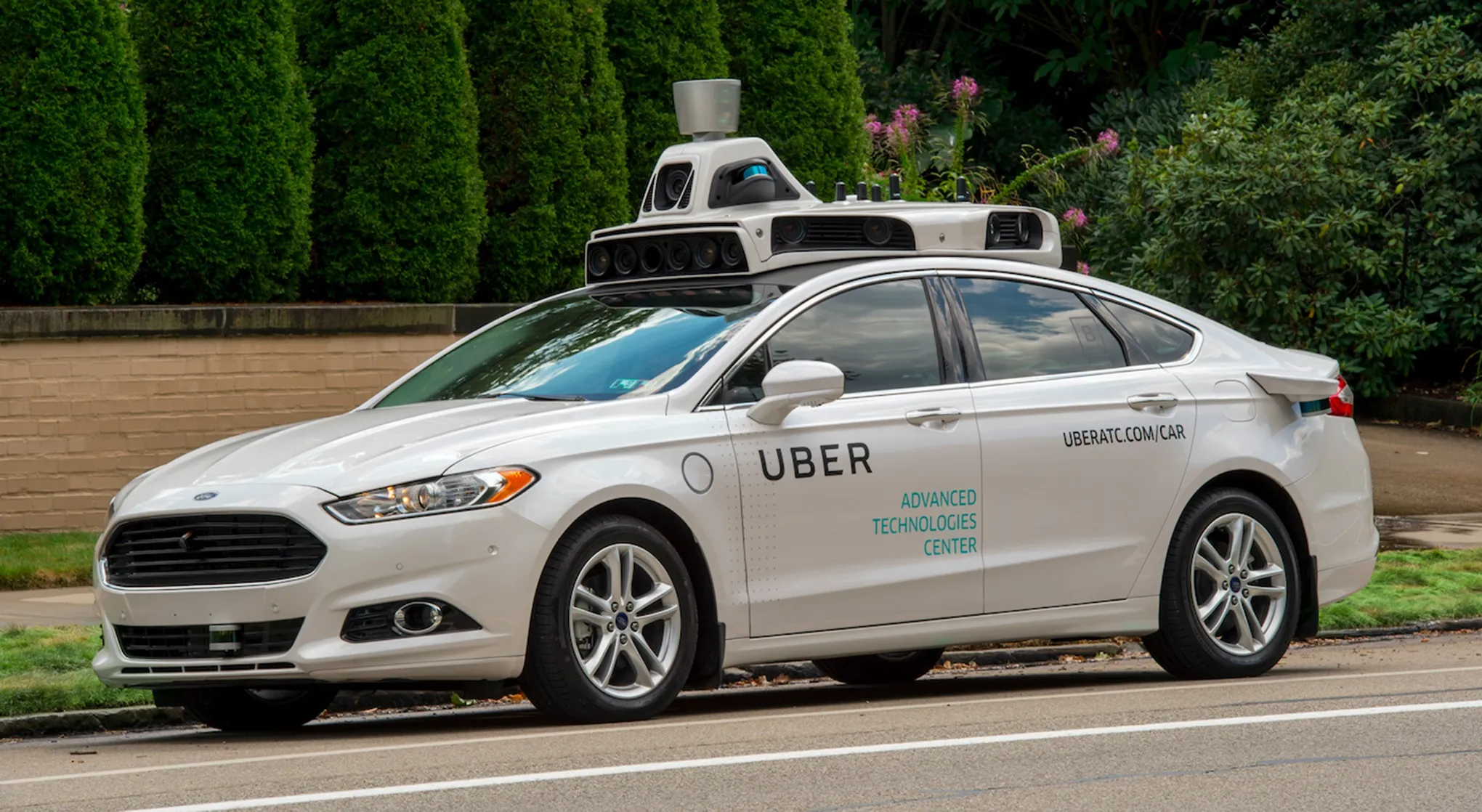
Uber is exploring a new strategy that could transform its millions of drivers into a massive real-world data network for autonomous vehicle development.
The idea centres on using drivers’ smartphones and vehicles as sensors to collect road data at scale. This includes information on traffic patterns, road conditions, hazards, and driving behaviour — all of which could be used to train self-driving systems.
Unlike companies that rely on dedicated test fleets, Uber’s approach would leverage its existing global network. With millions of drivers operating daily, the company could gather vast amounts of real-world data far more quickly and cheaply than traditional methods.
This data could then be licensed or shared with self-driving companies, positioning Uber not just as a transport platform, but as a key infrastructure provider in the autonomous vehicle ecosystem.
The move reflects Uber’s broader strategy since stepping back from building its own self-driving technology. Instead, the company has focused on partnerships with firms such as Nuro, integrating their systems into its platform rather than developing everything in-house.
By turning its driver base into a distributed sensor grid, Uber could play a central role in powering the data layer behind autonomous driving — one of the most valuable components in the industry.
However, the plan raises important questions. Drivers may need to opt in, and issues around privacy, data ownership, and compensation will be critical. There are also concerns about whether the data collected passively can match the quality of dedicated autonomous testing systems.
The strategy highlights a key shift in the self-driving race. Rather than building everything from scratch, companies are increasingly looking to leverage existing networks and infrastructure to scale faster.
If successful, Uber could become one of the most important data providers in the autonomous vehicle industry, even without directly operating the technology itself.
Author: Kieran Seymour