
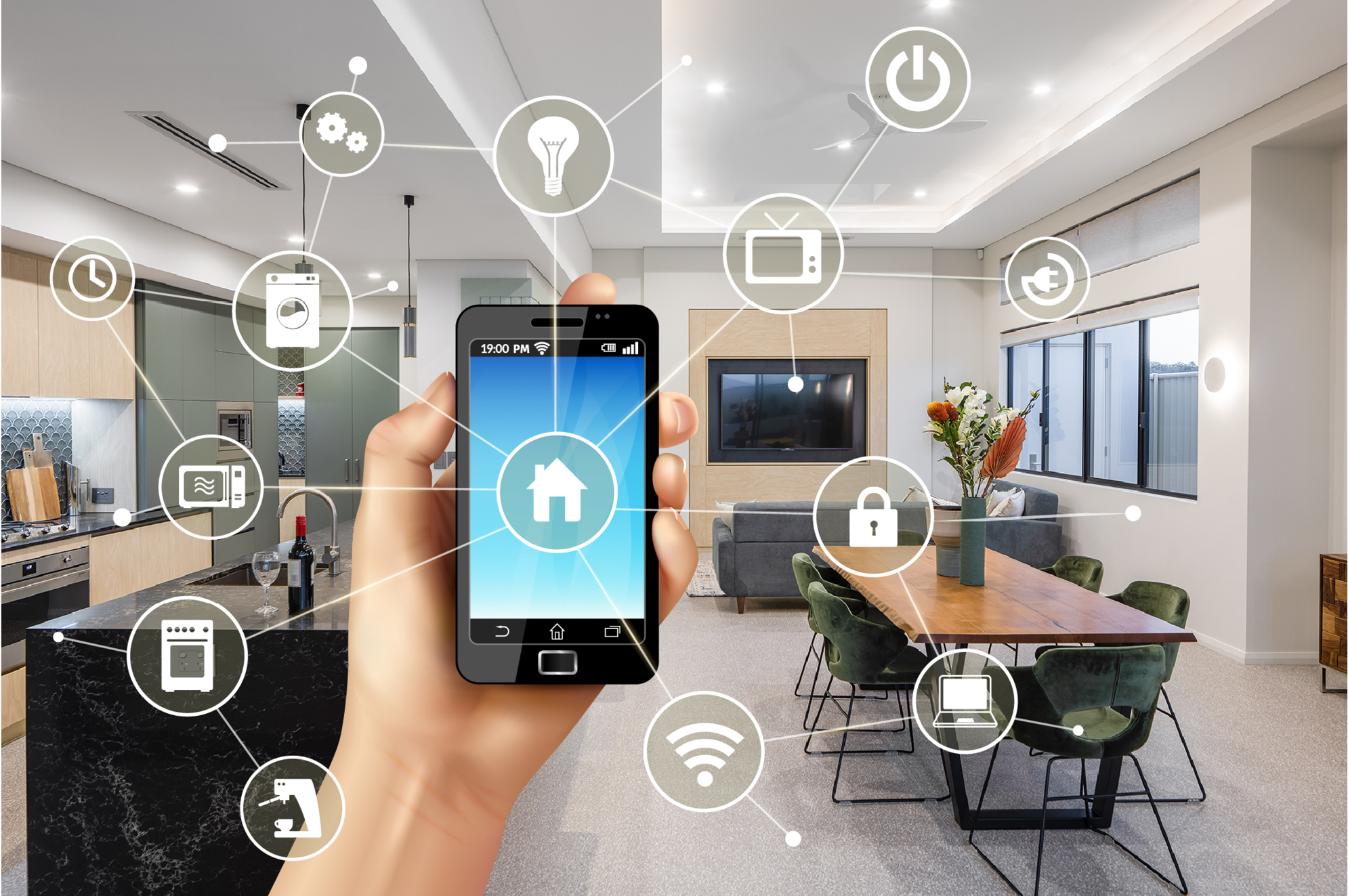
Smart-home technology aimed at older residents is becoming a larger commercial opportunity, with systems focused on safety monitoring, automation and independent living. Coverage has described the category as “age tech”, and the label matters because it signals a market moving from niche to mainstream.
The demand is easy to understand. Families want reassurance that relatives can live independently for longer. Many workers already juggle careers, childcare and elder care. Tools that reduce friction can carry real value.
Current use cases include:
- Motion sensors that flag unusual inactivity
- Voice assistants that control lights and heating
- Medication reminders linked to mobile alerts
- Smart doorbells and cameras that improve visibility
Britain offers a clear test case. An ageing population, pressure on care services and rising household energy costs create incentives for practical home technology. A connected thermostat can cut waste. Fall-detection sensors can prompt faster checks from family members.
The commercial stakes are significant. Insurers may reward lower-risk homes. Housebuilders could market accessible smart properties. Telecoms providers may bundle monitoring services with broadband contracts.
Questions remain. Who owns the data collected inside private homes? Can older users trust systems that fail during outages or confuse normal routines with emergencies?
Companies that answer those concerns with simple design, transparent pricing and dependable support will stand out. Those that chase novelty over reliability may find households unwilling to take the risk.
Author: Pishon Yip