
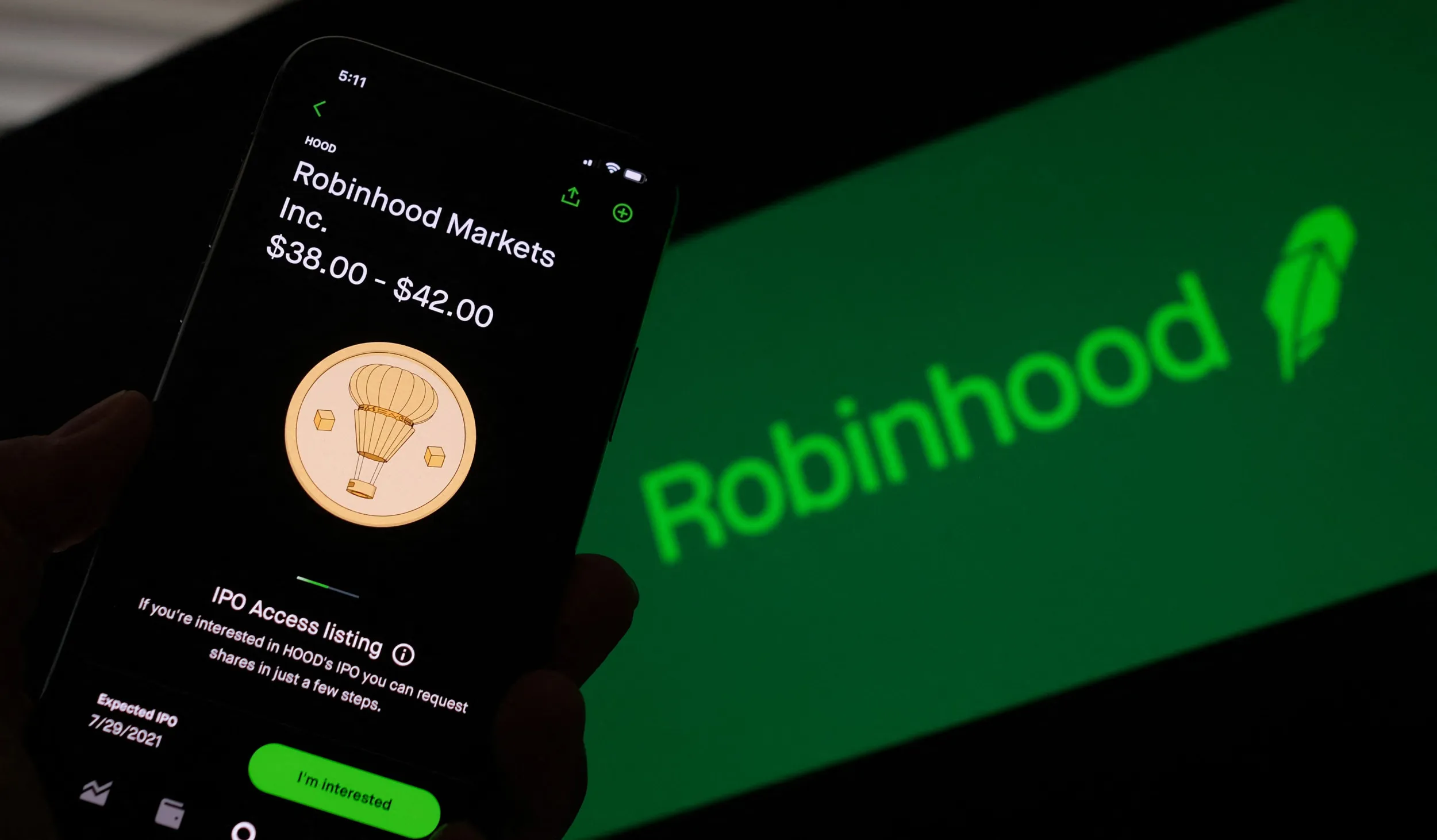
Robinhood is preparing a second retail-focused venture fund IPO, aiming to give everyday investors greater access to high-growth startups during the ongoing AI investment surge.
The new fund is expected to expand beyond late-stage private companies and include earlier-stage startups, increasing exposure to firms operating in artificial intelligence and emerging technology.
The move reflects Robinhood’s broader ambition to make venture capital more accessible to retail investors, a market traditionally dominated by large institutions and wealthy individuals. Its first venture fund already includes stakes in major private technology companies such as OpenAI, Stripe, Revolut, and Databricks.
Interest in AI startups has surged across financial markets over the past year, with investors pouring billions into companies linked to artificial intelligence infrastructure, software, and chips. Analysts say the excitement around AI is reshaping venture capital, with funding increasingly concentrated in companies tied to the sector.
Robinhood’s strategy could allow smaller investors to gain indirect exposure to private firms before they reach public markets, something that has historically been difficult outside traditional venture capital networks.
However, expanding into earlier-stage startups also increases risk. Younger companies are more volatile, less proven, and more likely to fail, even during periods of strong market enthusiasm.
The development highlights how the AI boom is beginning to influence not only technology companies, but also the structure of investing itself. As competition for access to high-growth startups intensifies, platforms are increasingly looking for ways to open private markets to a broader audience.
Author: Kieran Seymour