
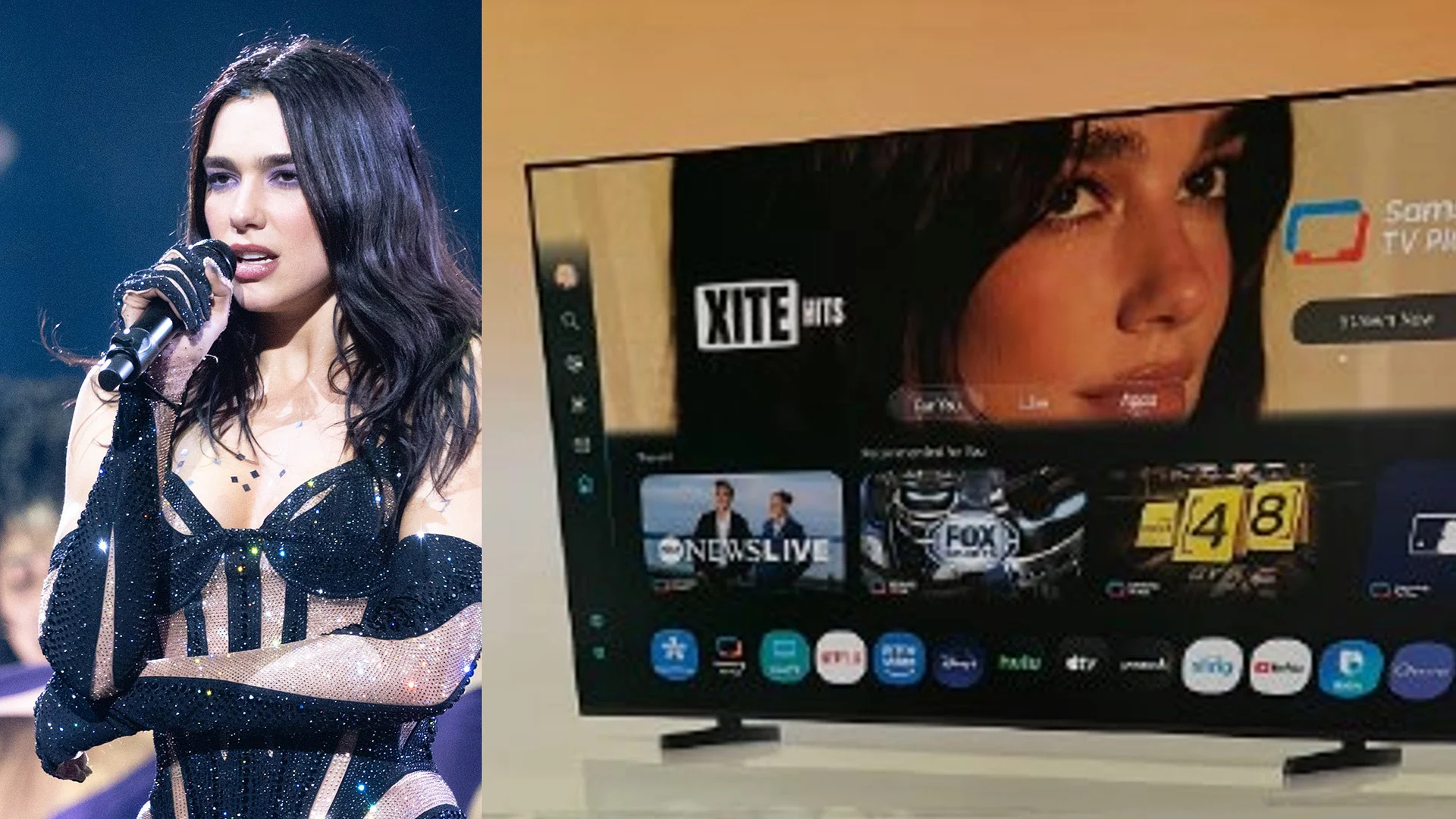
Dua Lipa has launched legal action against Samsung Electronics, seeking damages of at least $15 million. The pop star claims the South Korean technology giant used her copyrighted photograph on cardboard packaging for televisions sold in the United States without securing permission or offering compensation.
Court documents filed in the US District Court for the Central District of California state that Samsung featured a prominent portion of Lipa’s face on boxes for multiple TV models.
This practice started last year and continued even after her representatives issued formal demands to cease. Legal representatives argue that the company exploited her likeness in a way that suggested endorsement, thereby infringing on her copyright, trademark rights, and right of publicity.
Samsung has rejected the accusations of deliberate misuse. The dispute brings attention to broader challenges that brands face when incorporating celebrity imagery into physical product marketing. For high-profile artists such as Lipa, whose personal brand holds considerable commercial value, this case raises important questions about control over individual likeness in both retail environments and digital contexts.
Executives reviewing marketing strategies may see parallels with decisions they make in their own organisations, where a single visual choice can carry significant legal and reputational weight. Clear permissions remain essential when materials risk implying celebrity support.
This action serves as a practical example of how public figures actively defend their image rights. As products reach consumers through physical packaging, the boundaries of acceptable use continue to be tested in court. The outcome could influence how other technology and consumer electronics companies approach similar promotional tactics in the future.
Author:Oje. Ese