
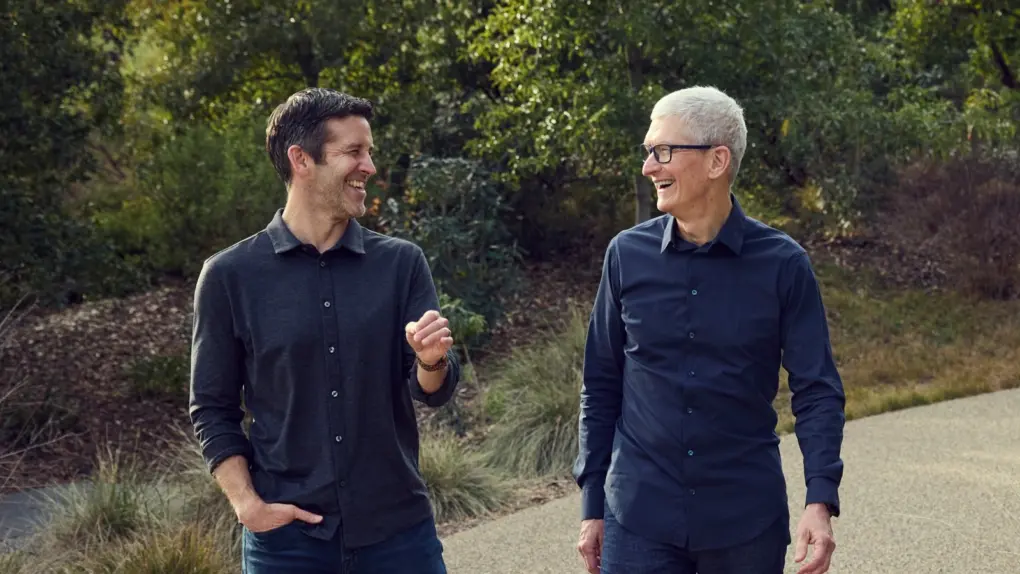
Leadership transitions rarely happen quietly in global tech—and Apple Inc. has ensured this one won’t. The company confirmed that Tim Cook will step down later this year, handing the reins to hardware chief John Ternus.
Cook’s tenure reshaped Apple into a services powerhouse while maintaining its hardware dominance. Now, the decision to elevate a hardware-focused successor hints at a renewed emphasis on product innovation. That matters. In a market where devices increasingly serve as gateways to AI ecosystems, hardware design becomes strategic leverage, not just engineering.
Consider how companies like Microsoft and Google integrate AI into devices and platforms. Apple’s next chapter may hinge on how tightly it fuses hardware with intelligent software.
The broader implication stretches beyond Cupertino. Leadership changes at this level often ripple across supply chains, developer ecosystems and even competitors’ roadmaps.
What happens if Apple accelerates its AI hardware ambitions faster than expected? Rivals may need to respond with aggressive innovation cycles, reshaping the entire premium device market.
For professionals watching from the sidelines, the lesson feels familiar: when leadership priorities shift, strategy follows. Businesses that adapt early tend to define the next phase, not react to it.
Author: George Nathan Dulnuan