
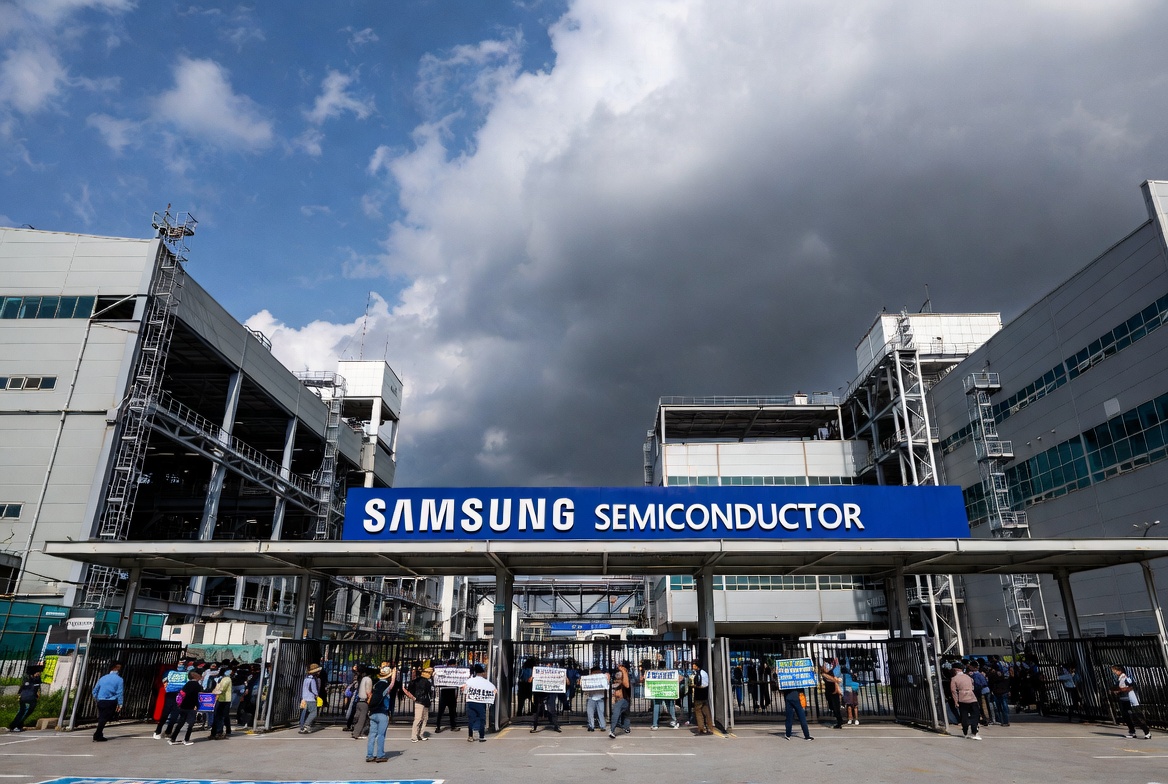
Negotiations between Samsung Electronics and its labour union have broken down, raising the prospect of a major 18-day strike starting on 21 May. The potential walkout involves nearly 45,000 unionised workers at the world’s largest maker of memory chips and could disrupt supplies of critical components that power artificial intelligence systems worldwide.
The core issues centre on wages, bonuses, and a fairer share of the company’s record profits driven by the global AI boom. Samsung produces high-bandwidth memory chips essential for training and running large AI models. Major technology companies, including Nvidia, AMD, and Google, rely heavily on these components. Any significant production halt would create immediate pressure on already strained supply chains.
South Korea’s government has stepped in with urgent mediation efforts. The prime minister has warned of serious economic consequences that could extend well beyond Samsung itself. Market analysts estimate that daily losses from a full shutdown could run into hundreds of millions of dollars. Samsung shares fell sharply on news of the impending strike, reflecting investor concern about both short-term revenue hits and longer-term reputational damage.
This dispute highlights a growing tension in the technology industry. While companies reap extraordinary financial rewards from the AI surge, workers seek meaningful compensation for their role in that success. A prolonged strike would force AI developers and data centre operators to reconsider their sourcing strategies and could accelerate efforts to diversify chip supplies away from South Korea.
Resolution remains possible in the final hours of talks, but time is running out. The outcome will matter not only to Samsung and its employees but to the pace of AI development across the entire sector.
Author: Oje. Ese