
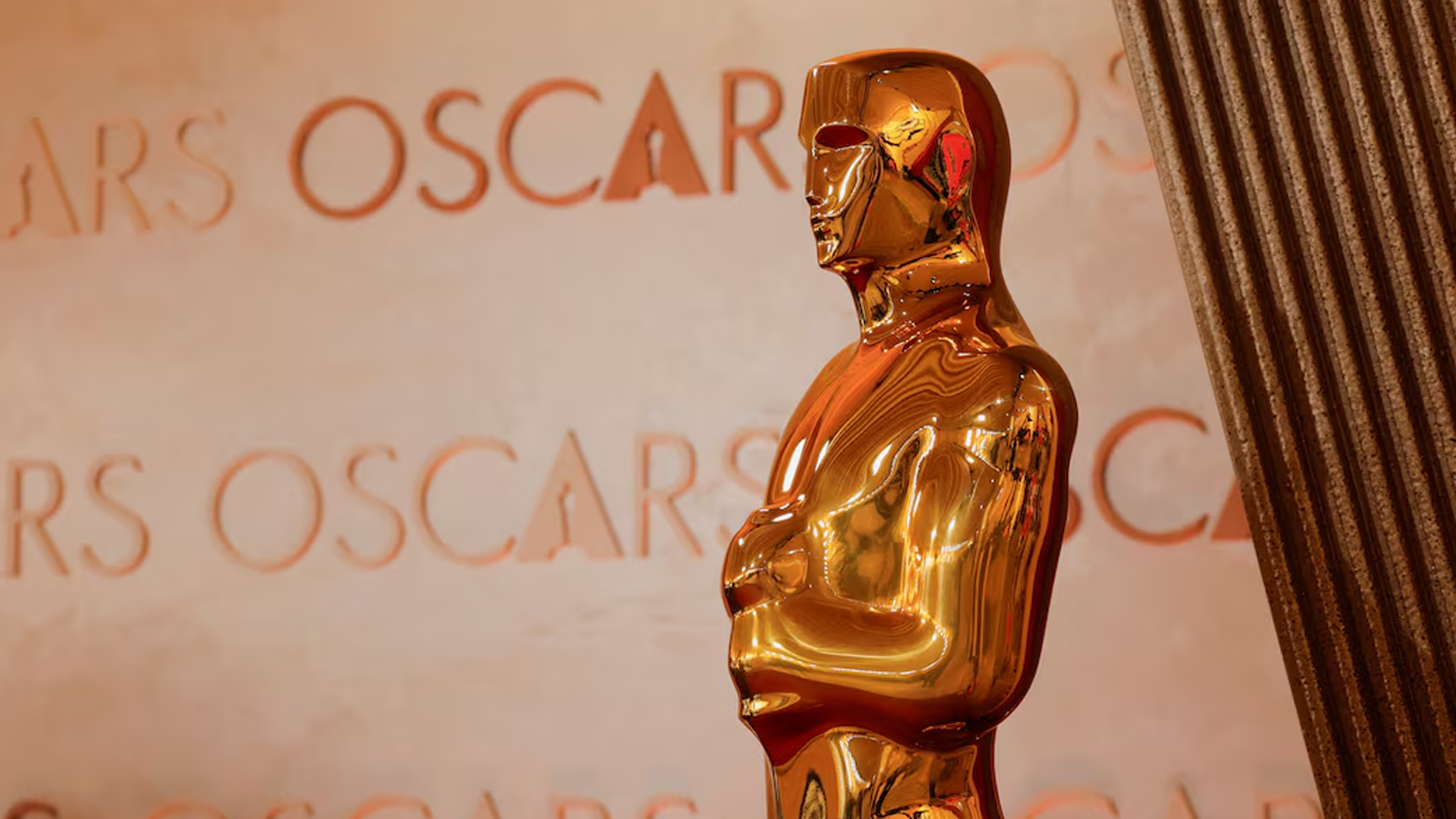
The Academy of Motion Picture Arts and Sciences has introduced new rules that make AI-generated actors and screenplays ineligible for major Oscar categories, drawing a clear line on the role of artificial intelligence in filmmaking.
Under the updated guidelines, only performances “demonstrably performed by humans with their consent” will qualify for acting awards, while scripts must be fully written by human authors to be eligible.
The decision comes amid growing concern across the film industry about the rise of generative AI and its potential impact on jobs, creativity, and authorship. High-profile examples, including AI-generated actors and digitally recreated performances, have intensified debate over how far the technology should be allowed to go.
While AI tools are not completely banned from filmmaking, their use will be closely scrutinised. The Academy has stated it may request additional information to verify the level of human involvement in any submission.
The changes are set to apply to upcoming ceremonies, ensuring that key categories such as acting and screenwriting remain centred on human creativity.
Industry reaction has been mixed. Some see the move as necessary to protect artistic integrity, while others argue that AI is becoming an essential tool in modern production and should not be restricted too heavily.
The decision reflects a broader shift across creative industries, where organisations are beginning to define clear boundaries between human work and machine-generated content as AI continues to advance.
Author: Kieran Seymour