
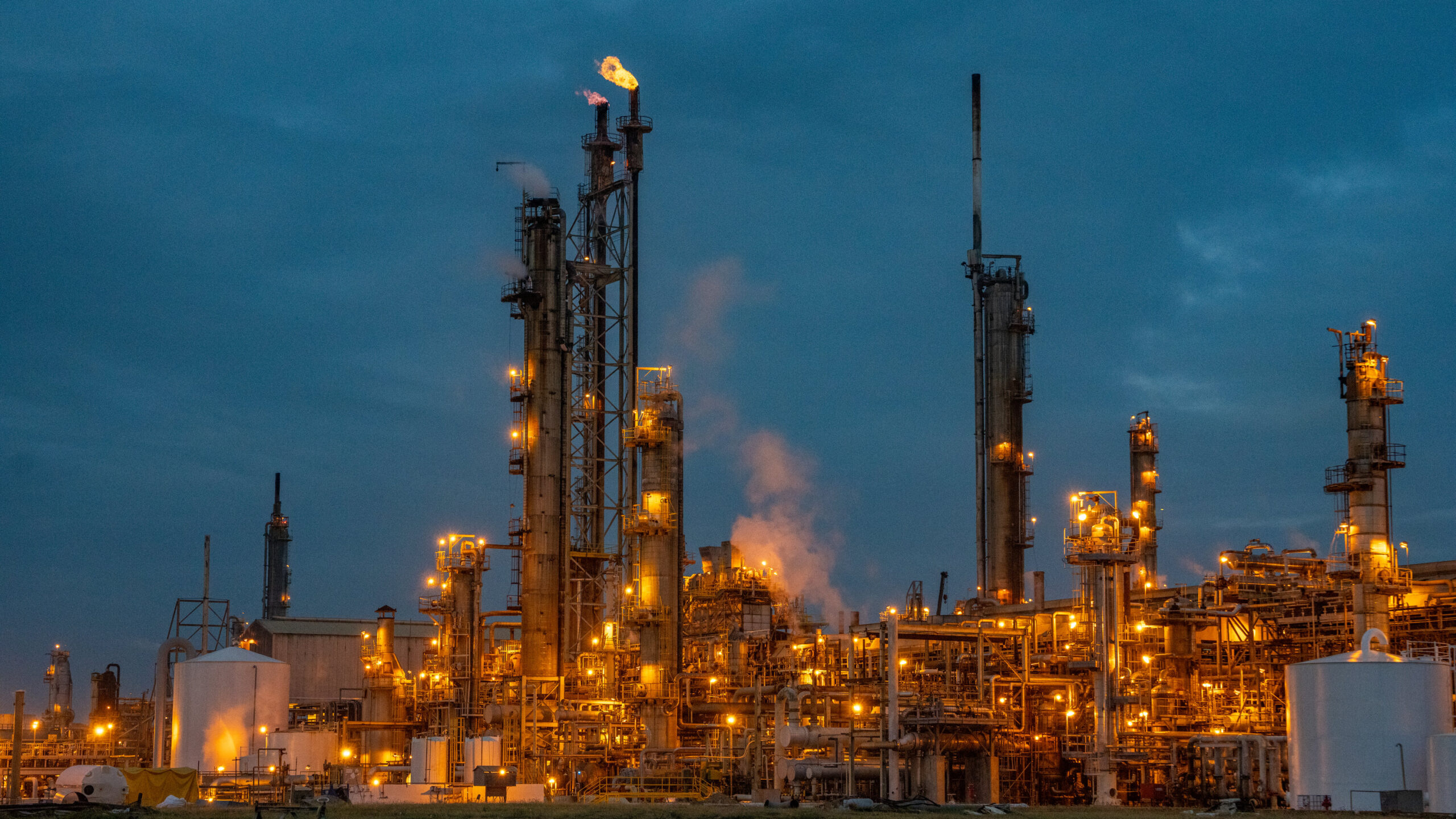
Data Centre Boom Drives 66% Surge In Natural Gas Plant Costs
Tech giants are rushing to secure power for the AI era. The price of doing so is climbing faster than expected.
Companies including Microsoft and Meta have leaned heavily into natural gas to fuel their expanding data centre networks. That strategy now faces a sharp reality: the cost of building gas-powered plants has jumped 66% in just two years, according to new analysis from BloombergNEF.
The numbers underline the shift. Constructing a combined cycle gas turbine plant now costs $2,157 per kilowatt of capacity, up from under $1,500 in 2023. Timelines are stretching too, with projects taking 23% longer to complete. For an industry built on speed and scale, delays of that magnitude can ripple across entire investment strategies.
Why the surge? Demand is outpacing supply at nearly every level.
Data centres sit at the centre of this expansion. Their appetite for electricity is accelerating as artificial intelligence workloads grow. Operators are scaling up aggressively, pushing total demand from 40 gigawatts today to a projected 106 gigawatts by 2035. That represents a 2.7-fold increase—an extraordinary jump for infrastructure that already consumes vast amounts of energy.
The scale of individual facilities is also changing:
- Only 10% of data centres today exceed 50 megawatts
- Within a decade, the average site is expected to surpass 100 megawatts
That shift mirrors a familiar business pattern. When demand surges, companies build bigger, faster and closer to the source of growth. The risk? Infrastructure costs can spiral before efficiencies catch up.
Government pressure is adding another layer. Policymakers have urged operators to “bring their own power,” effectively pushing tech firms to secure independent energy sources. Utilities, meanwhile, often pass the cost of new generation on to consumers. That dynamic has sparked growing public resistance, particularly in regions where data centres strain local grids.
Natural gas has become the default solution—but not without consequences.
A scramble for new plants has created a bottleneck in gas turbines, the core equipment behind these facilities. Prices for turbines are expected to rise 195% compared to 2019 levels by the end of this year. Manufacturing capacity cannot expand quickly enough, and wait times now stretch into the early 2030s.
What happens when the infrastructure needed to power AI becomes the limiting factor for its growth?
Some companies are already hedging their bets. Google is advancing an alternative model built on renewable energy paired with long-duration storage. Its approach includes backing systems like iron-air batteries developed by Form Energy, designed to deliver electricity over 100 hours.
That contrast is striking. While gas plants are becoming more expensive and slower to deploy, solar and battery technologies continue to decline in cost. One path offers immediate reliability at a rising price. The other promises long-term efficiency but requires confidence in evolving technology.
For executives making billion-dollar decisions, the choice is not theoretical. It resembles a broader dilemma many industries face: invest heavily in proven systems under pressure, or pivot early to emerging alternatives that may redefine the market.
The data centre boom is not slowing. The question is whether the energy strategy powering it can keep pace without reshaping costs, timelines and public perception in the process.
Author: George Nathan Dulnuan