
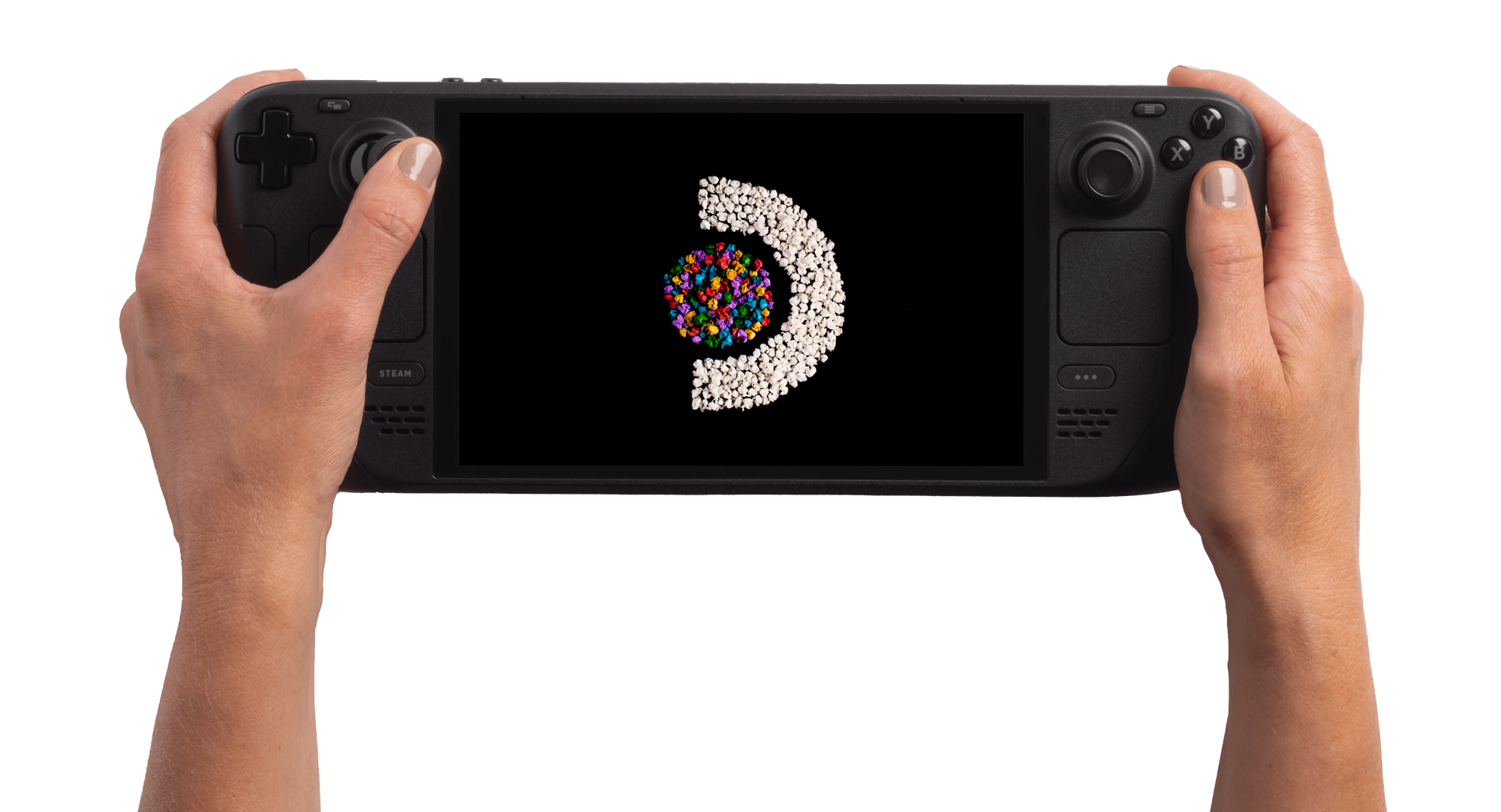
Valve’s Steam Deck has sold out across the UK, leaving hopeful buyers staring at out-of-stock notices and uncertain restock dates.
The handheld gaming PC, developed by Valve Corporation, vanished from official listings this week as demand surged beyond available inventory. Both standard LCD models and the newer OLED variants disappeared from the UK store, echoing previous supply squeezes seen during peak sales periods.
Retail cycles often test patience. Gamers refresh pages the same way professionals track a job listing that suddenly closes: timing matters, and hesitation carries a cost.
Valve has not issued a detailed statement on restocking timelines. The company typically manages distribution directly through its online storefront rather than relying on high-street retailers. That direct-to-consumer model gives Valve tighter control over margins and pricing. It also means when supply tightens, there is no alternative retail pipeline to cushion the blow.
Strong Demand Signals a Shift
The sell-out reflects more than seasonal shopping patterns. The Steam Deck occupies a space that few rivals have managed to secure: portable PC gaming without compromise. It gives players access to their existing Steam libraries, cloud saves and PC-level performance in a handheld format.
That combination appeals to commuters, students and professionals who split their time between desks and trains. For many, it solves a practical problem. Why invest in separate ecosystems when one device carries your full catalogue?
Competitors such as the Asus ROG Ally and Lenovo Legion Go have entered the market with higher-spec options. Yet Valve’s integration with its own platform, aggressive pricing and steady software updates keep it competitive. The company has refined SteamOS to reduce friction, optimise battery life and improve compatibility, reinforcing loyalty among early adopters.
Scarcity also sharpens interest. Limited availability can drive urgency, even among buyers who might otherwise wait. Retail history offers parallels. When Sony’s PlayStation 5 launched with constrained supply, resale markets inflated prices and amplified demand. Steam Deck has not reached that level of frenzy in the UK, but the pattern feels familiar.
Operational Pressures Behind the Scenes
Supply chain pressures continue to ripple through the tech sector. Semiconductor allocation, logistics costs and fluctuating component prices shape production schedules. Even incremental improvements, such as the OLED screen upgrade, require sourcing new parts at scale.
Valve operates differently from publicly traded console giants. It faces no quarterly earnings calls demanding rapid expansion. That freedom allows patience. It also limits external visibility into production strategy.
What does this mean for buyers? In practical terms:
- Short-term scarcity may push some consumers toward rivals.
- Loyal Steam users may delay purchases rather than switch ecosystems.
- Secondary marketplaces could test higher pricing, though Valve’s pricing discipline tends to stabilise long-term value.
Each outcome carries strategic weight. If customers wait, Valve strengthens brand loyalty. If they defect, competitors gain ground in a fast-evolving segment.
The Broader Market Question
Portable gaming has matured. Consumers no longer treat handheld devices as novelty add-ons; they expect full-performance systems in compact form. The Steam Deck’s sell-out suggests demand remains strong two years after its initial launch.
That resilience matters. Hardware typically peaks early, then tapers. Sustained demand signals durable product-market fit.
Consider Nintendo’s approach with the Switch. Nintendo refreshed hardware incrementally and leaned on exclusive software to maintain momentum. Valve instead leverages an existing digital ecosystem. Two models, two strategies, both aiming to lock in long-term engagement.
Could prolonged stock shortages undermine confidence? Tech buyers weigh reliability alongside performance. If availability falters repeatedly, consumers may question support and future upgrades.
Valve now faces a decision familiar to any growing business: scale production to capture peak demand or maintain measured output to avoid overextension. Executives in other industries confront similar trade-offs. Hire aggressively and risk surplus capacity, or grow cautiously and risk losing customers.
The next restock will test the market’s patience. If units sell out again within hours, the message becomes clear: portable PC gaming has crossed from niche to mainstream.
For now, UK buyers wait. And in that waiting lies the signal investors and competitors watch most closely.
Author: Pishon Yip