
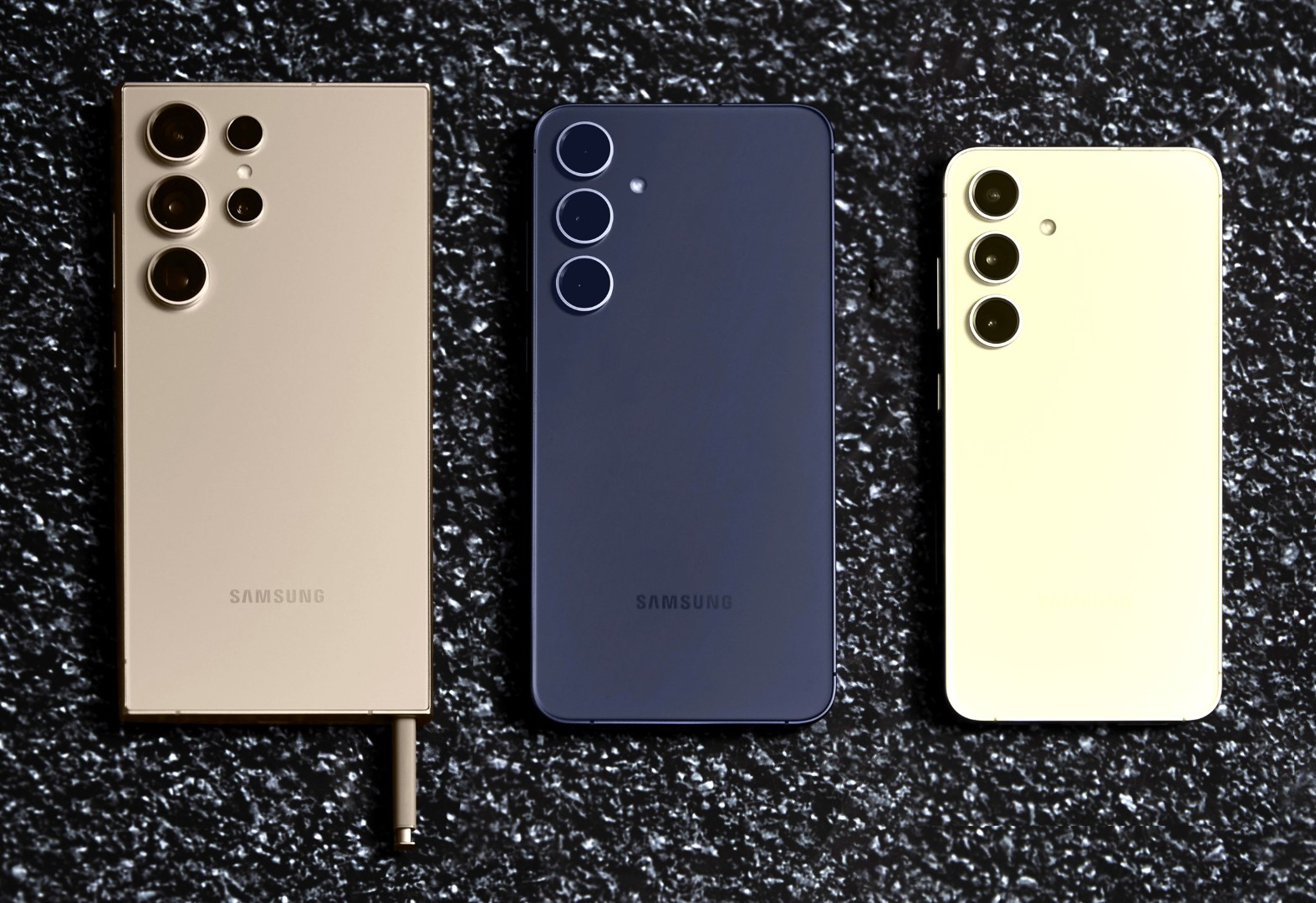
Samsung plans to keep the Galaxy S26 Ultra’s launch price in line with the Galaxy S25 Ultra, even as rising component costs squeeze margins. The company appears determined to avoid a headline price increase, choosing instead to recover costs in quieter ways.
A report from iNews24 “claims” Samsung is working to launch the Galaxy S26 Ultra at a similar price to the Galaxy S25 Ultra, which “debuted at around $1,300.” Converted to the UK market, that places the device roughly in the £1,050 to £1,100 range, depending on regional pricing and taxes.
Holding the line on price is not getting easier. Memory chips have become far more expensive over the past year, with smartphone makers now paying up to three times more for the same amount of RAM. That surge cuts directly into profit, especially for premium phones that already push hardware limits.
Industry insiders suggest the Galaxy S26 Ultra could cost $1,399 in the US, a price point comparable to the Galaxy S20 Ultra at launch. However, Samsung reportedly wants to keep the device below the KRW 2 million threshold in South Korea, roughly equivalent to £1,080. If that target holds, the US price could remain at $1,299, helping Samsung justify similar pricing in markets like the UK.
To make the numbers work, Samsung may trim the extras buyers have come to expect. The company could “drop the popular double storage offer” that often features in pre orders. Other launch incentives may also be reduced or removed altogether.
This approach mirrors decisions many professionals face in their own working lives. When costs rise and budgets tighten, businesses often protect the visible headline number, such as salary or fees, while cutting bonuses, perks or training budgets behind the scenes.
The pressure stems from shifts far beyond smartphones. Memory manufacturers are prioritising high margin products such as high bandwidth memory and server grade DDR5 chips, driven by demand from AI and data centre customers. That leaves less supply for mobile devices and pushes prices higher for phone makers.
For buyers, the sticker price of the Galaxy S26 Ultra may look familiar. The real change could come in the overall value equation. Fewer launch deals mean customers may end up paying more in practice, even if the price on the box barely moves. Is that trade off enough to test loyalty, or will stability win out in an increasingly expensive flagship market?
Author: Kieran Seymour