
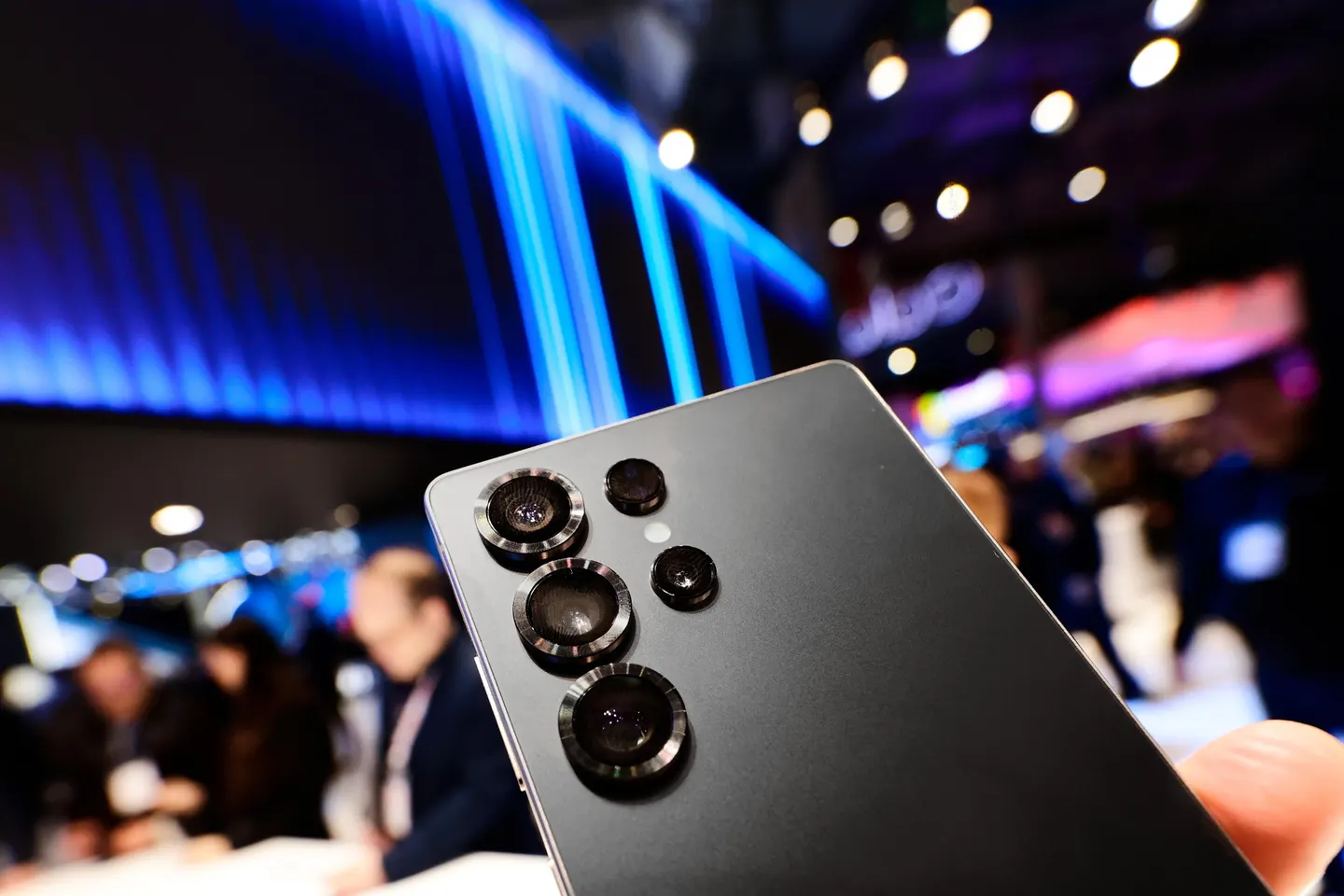
Samsung plans to launch the Galaxy S26 series soon, and expectations around charging have sharpened. Many users hoped at least one model would include native Qi2 magnets. A new report indicates that feature will not arrive this year. Charging performance, however, still looks set to improve.
Battery anxiety drives everyday behaviour. People position phones carefully on bedside tables, hoping they wake to a full charge rather than a blinking low-battery warning. Qi2 magnets exist to remove that friction. They lock the handset into the right position on the charger, preventing small placement errors that leave devices untouched overnight.
Apple first popularised this approach with MagSafe. A handful of Android manufacturers followed. Analysts expected Samsung to join that group with the S26 series.
Listings from the Wireless Power Consortium suggest otherwise. The organisation, which oversees the Qi standard, shows no evidence of a magnetic ring in the upcoming models. Three devices appear under model numbers SM-K772, SM-K777 and SM-K778, widely believed to represent the three Galaxy S26 variants.
Samsung appears to be making a different trade-off. Updated Qi software points to faster wireless charging, even without magnetic alignment. For consumers, this mirrors a familiar decision: accept a missing convenience in exchange for raw performance. The phone may demand more care on the charger, but it should refill faster once aligned.
The question is whether speed alone satisfies users who have grown accustomed to effortless charging. If rivals lean harder into Qi2 magnets, does Samsung risk making wireless charging feel dated again?
Author: Pishon Yip