
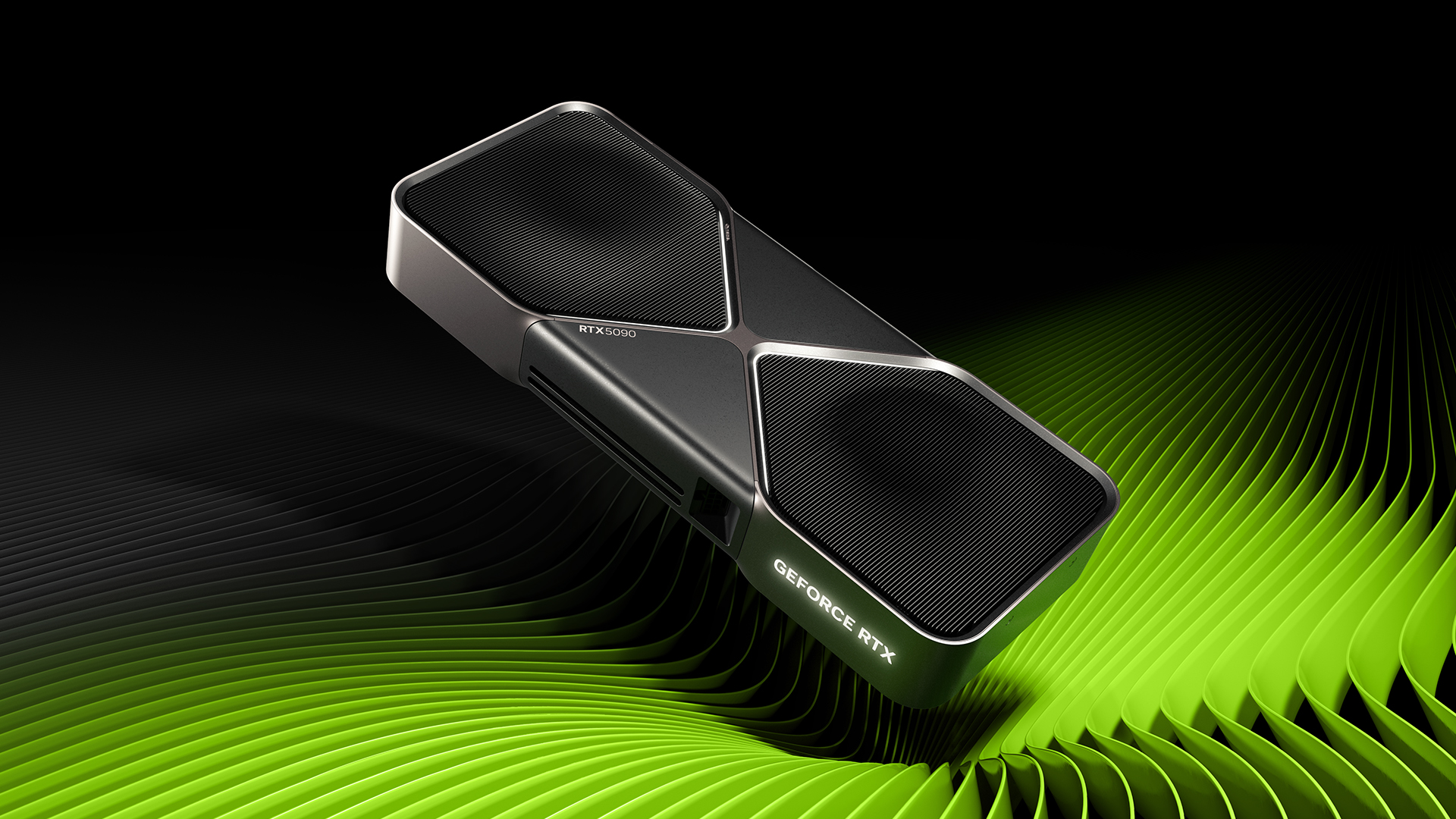
Recent industry reports suggest that Nvidia may be changing how it supplies memory for its graphics cards amid a worsening global memory shortage. According to several technology news outlets, including Tom’s Hardware, TechRadar, and TweakTown, Nvidia is rumoured to have stopped bundling VRAM (GDDR6/GDDR7) with the GPU dies it supplies to its add-in board (AIB) partners. Instead, third-party manufacturers such as ASUS, MSI, and Gigabyte may be required to source the memory chips independently.
Why has this rumour appeared?
The rumour is closely linked to the wider memory supply crisis affecting the semiconductor industry. Demand for memory not only standard system RAM but also high-performance graphics memory has increased sharply, driven by AI data centre requirements and limited manufacturing capacity. As a result, both DRAM and GDDR memory prices have risen significantly, placing additional pressure on Nvidia’s costs.
What does this mean for consumers?
Higher GPU costs:
Board partners such as ASUS, MSI, and Gigabyte would need to purchase VRAM chips on the open market rather than receiving them bundled with the GPU. This exposes them to higher and more volatile spot prices for memory.
These additional costs are likely to be passed on to consumers, resulting in higher retail prices for graphics cards.
Smaller manufacturers struggle:
Larger brands typically have established supply agreements with memory manufacturers, while smaller AIB partners may find it difficult to secure sufficient VRAM at reasonable prices, or at all.
This could reduce competition and lead to fewer GPU brands and models being available on the market.
Author, Victor Olowomeye