
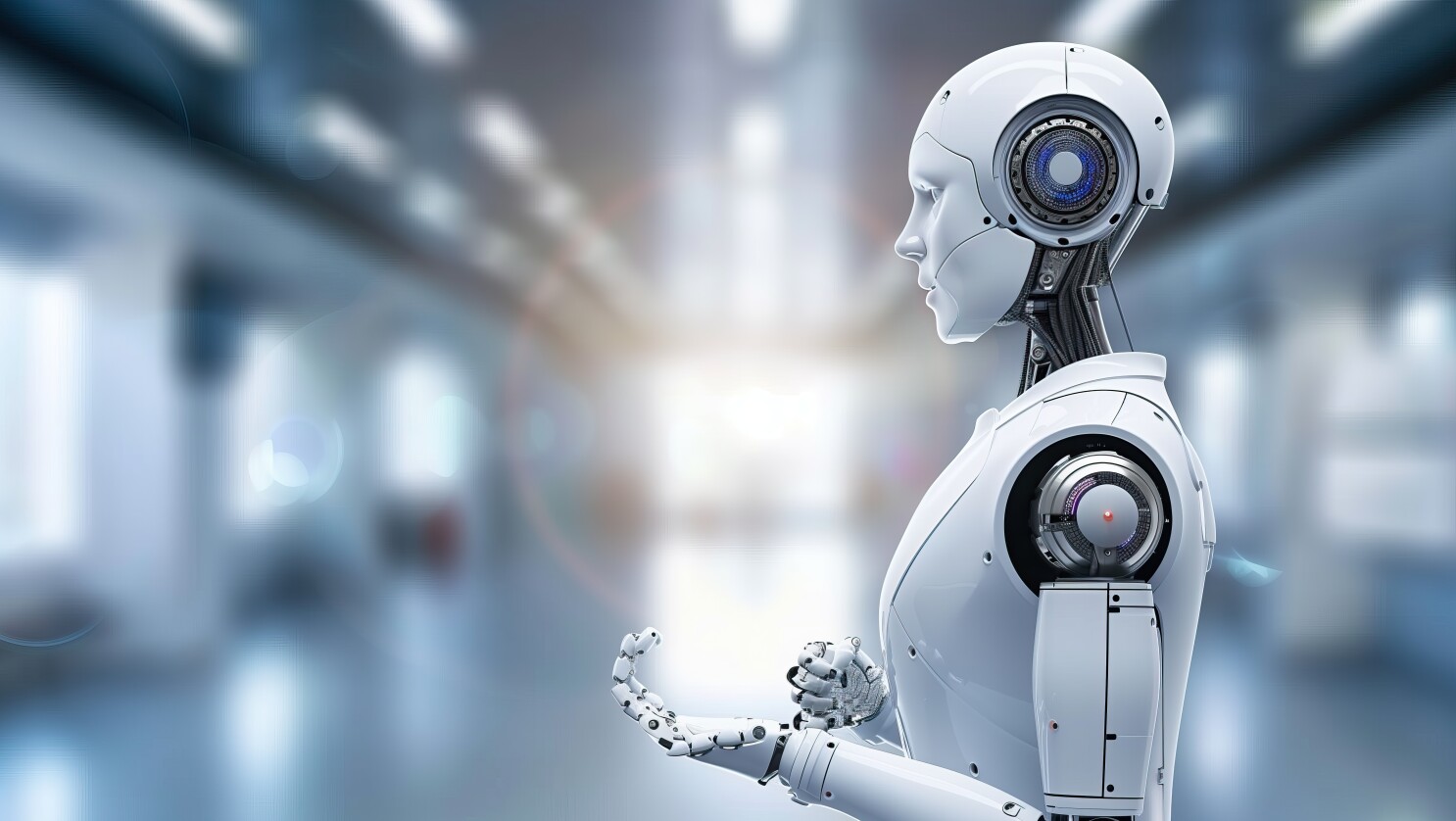
Las Vegas — Robots capable of doing household chores, once the stuff of science fiction, moved closer to reality at CES 2026, as companies unveiled machines designed to take on everyday domestic tasks.
Among the most eye-catching demonstrations were home robots capable of sorting, loading and folding laundry. Using advanced computer vision and AI, these robots can identify fabrics, handle delicate clothing and adapt to different household layouts — a significant leap beyond traditional robotic vacuum cleaners.
LG showcased a multi-purpose home assistant robot designed to move around the house, interact with family members and carry out simple tasks such as delivering items, monitoring rooms and managing appliances. Other firms demonstrated robotic arms that can prepare basic meals, load dishwashers and tidy living spaces.
Behind these advances is a new generation of AI models trained specifically for physical interaction. Unlike earlier robots that relied on pre-programmed movements, these machines can learn from their environment and improve their performance over time.
While most of the robots on display are still prototypes or limited-release products, industry experts say their presence at CES signals a turning point. As costs fall and AI improves, domestic robots are expected to enter homes gradually over the next decade.
For now, fully autonomous robot housekeepers remain a luxury — but CES 2026 made it clear that the age of practical home robotics is no longer far off.
Author: Pishon Yip