
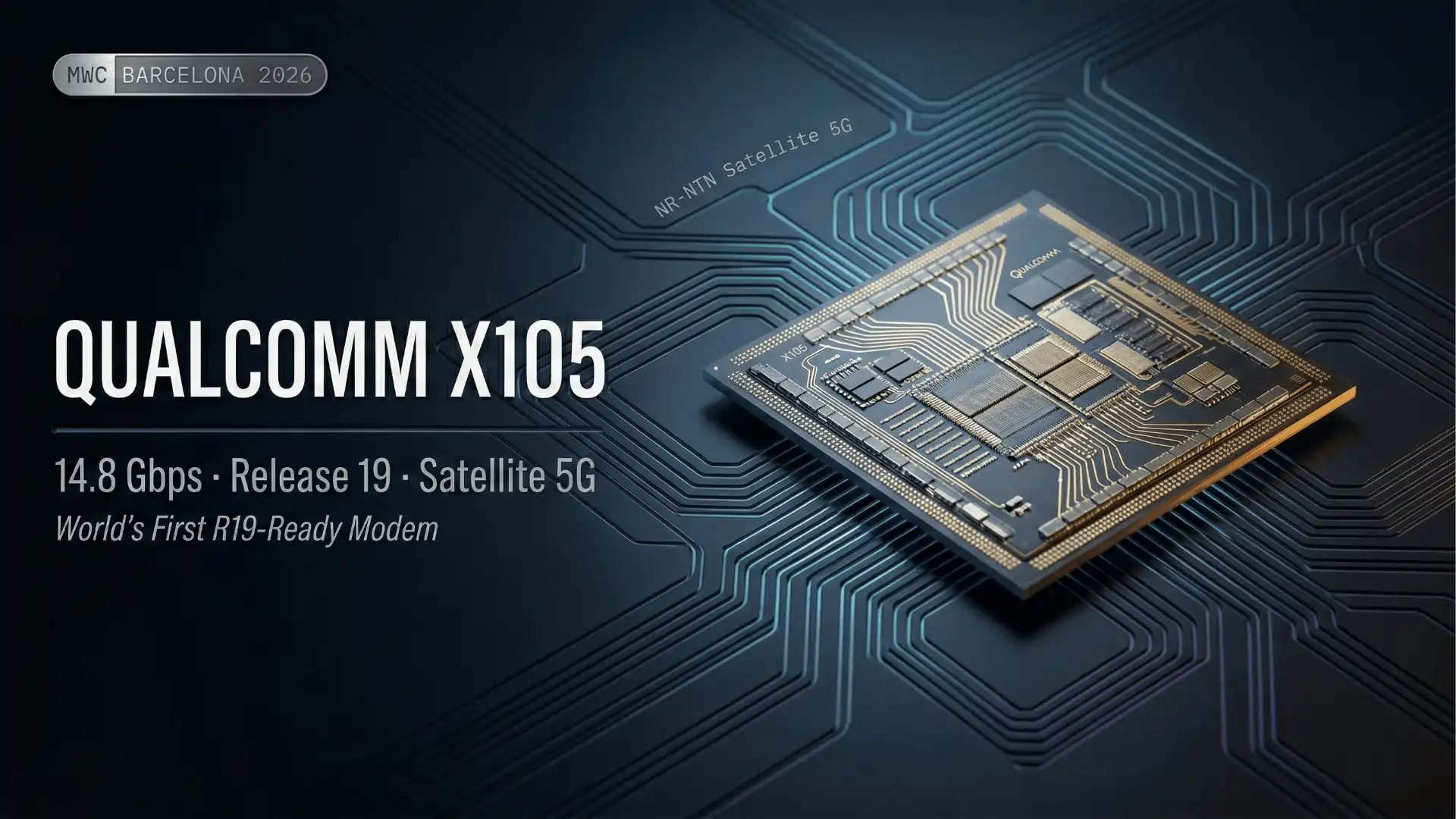
Qualcomm stepped onto the stage at Mobile World Congress 2026 with a clear message: the next phase of connected computing will run on its silicon. At a time when device makers face mounting pressure to deliver faster performance, longer battery life and seamless AI integration, the company introduced a slate of new chips designed to anchor that ambition. The announcements did more than refresh a product line. They signalled how aggressively Qualcomm intends to defend its leadership across smartphones, wearables and wireless connectivity.
Central to the showcase was a new generation of mobile processors engineered to handle increasingly complex on-device AI tasks. As consumers rely on real-time translation, advanced photography and intelligent assistants, manufacturers cannot afford latency or excessive cloud dependence. Qualcomm’s latest platforms promise stronger neural processing capabilities while maintaining power efficiency, a balancing act that has become the defining challenge of modern chip design. For handset makers weighing component partners, the decision mirrors choices many executives face: prioritise raw power, or invest in systems that deliver sustainable, day-to-day reliability.
The company also expanded its wireless portfolio, unveiling upgraded modem and connectivity solutions aimed at accelerating 5G adoption and preparing the ground for next-generation networks. Faster peak speeds grab headlines, but enterprise customers increasingly care about stability, spectrum flexibility and energy consumption. Qualcomm’s strategy reflects that shift. By refining integrated modem systems, it offers device manufacturers a tighter, more efficient package an approach that reduces complexity and shortens development cycles in an intensely competitive market.
Wearables formed another pillar of the announcement. Qualcomm introduced new chips tailored for smartwatches and extended reality devices, sectors that demand compact designs without compromising performance. As health tracking grows more sophisticated and immersive applications edge closer to the mainstream, silicon must process more data in smaller form factors. The updated platforms aim to support richer graphics, enhanced sensor integration and longer battery endurance, positioning Qualcomm to capture growth as consumer expectations continue to rise.
The broader implication is strategic. At MWC 2026, Qualcomm did not merely release components; it reinforced its role as a foundational supplier to the connected economy. In a market where Apple designs its own chips and rivals chase vertical integration, Qualcomm’s diversified portfolio becomes its hedge. The question now is whether device makers will double down on partnerships or accelerate in-house development. If adoption follows Qualcomm’s trajectory, these new chips could shape product roadmaps well beyond this year’s trade show floor.
Author: Victor Olowomeye