
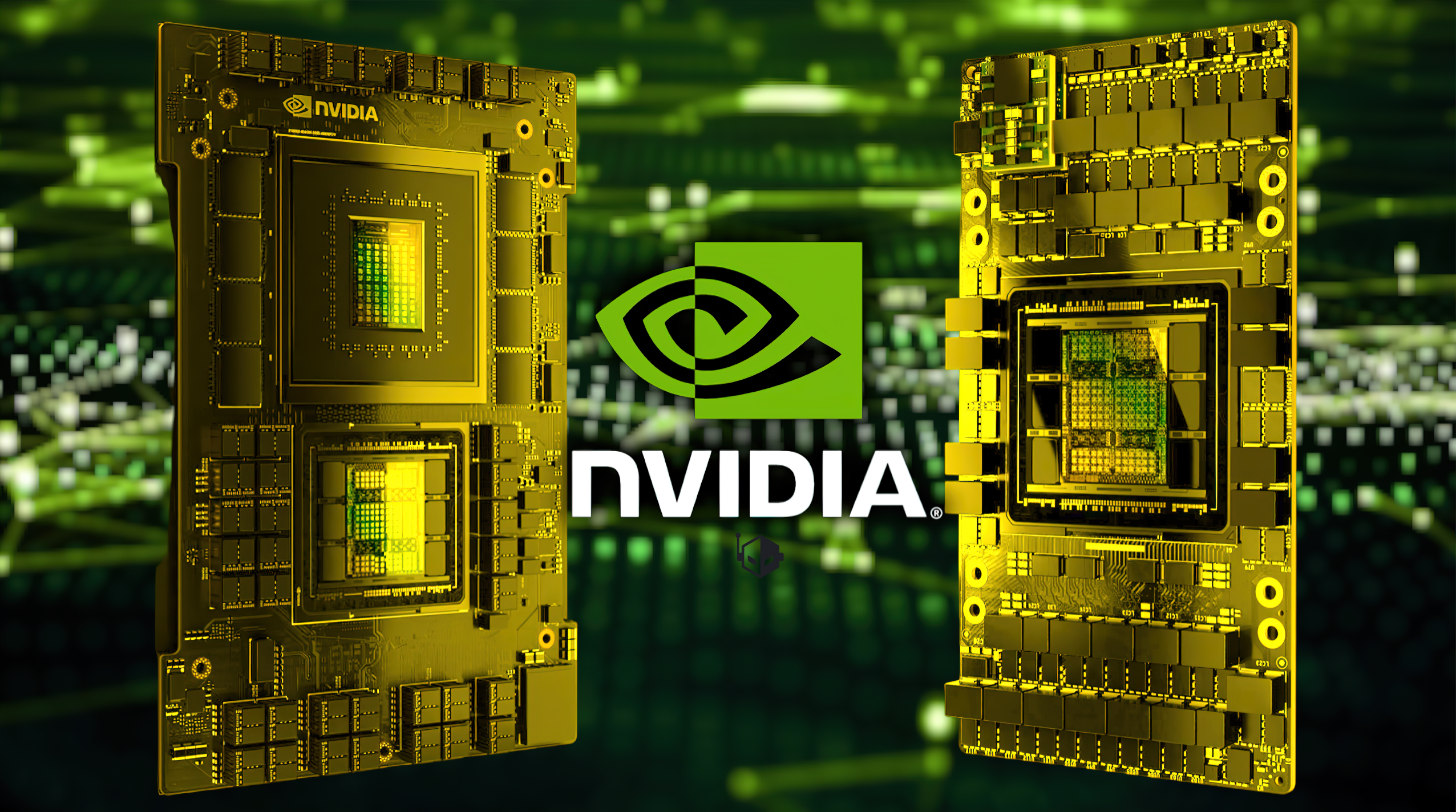
Nvidia has introduced its latest generation of artificial intelligence GPUs, reinforcing its position at the centre of the global AI race. The new hardware is designed to deliver faster processing, improved efficiency and greater scalability, as demand for high-performance computing continues to surge across industries. With companies relying on AI to power everything from automation to advanced analytics, the need for more capable processors has never been greater.
The new GPUs focus heavily on accelerating both training and inference, enabling AI systems to handle increasingly complex workloads. While earlier advancements prioritised model training, the shift towards real-world deployment means faster inference is now critical. Nvidia’s latest chips aim to reduce latency and improve responsiveness, allowing businesses to run AI applications more efficiently at scale.
At the core of this release is a new architecture built to support massive data processing demands. These GPUs integrate advanced memory technologies and high-speed interconnects, allowing them to move and process data far more effectively than previous generations. This is particularly important for large language models and enterprise AI systems that require enormous computational resources.
The launch comes as competition in the AI hardware space intensifies. Rivals are investing heavily in alternative chip designs, seeking to challenge Nvidia’s dominance in data centre computing. However, Nvidia’s ability to deliver consistent performance improvements and maintain strong partnerships with major technology firms continues to give it a significant edge.
This latest release raises a key question for the industry: can Nvidia maintain its lead as the AI market expands, or will emerging competitors close the gap? As organisations push the limits of what AI can achieve, the performance of next-generation GPUs may ultimately determine how quickly innovation can scale.
Author: Victor Olowomeye