
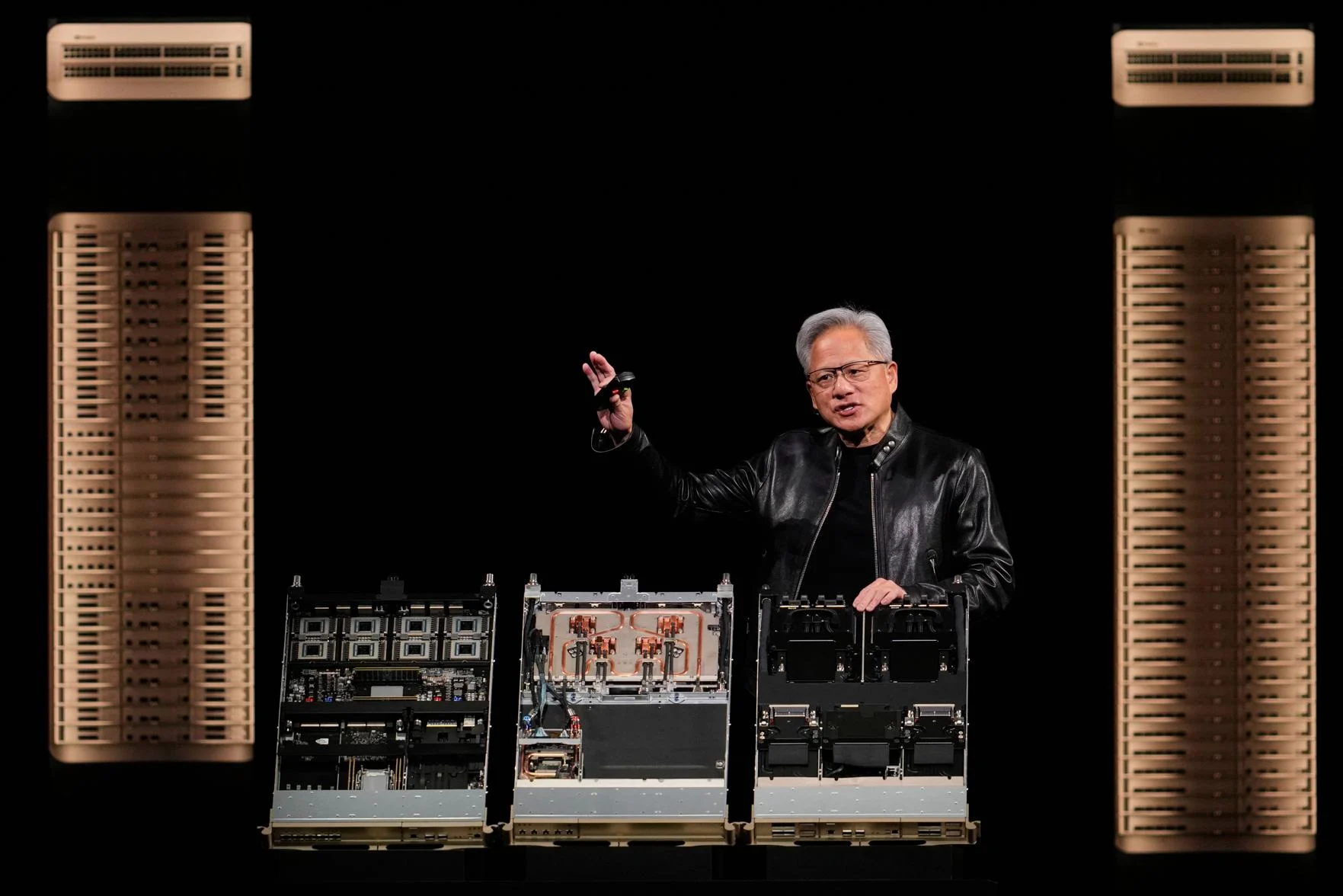
Nvidia is forecasting that the artificial intelligence market could generate up to $1 trillion in revenue in the coming years, underscoring the scale and speed of growth across the sector. Chief executive Jensen Huang has pointed to rising global demand for AI systems as the driving force behind this projection, with organisations across industries investing heavily in the infrastructure needed to support the technology.
The company’s outlook reflects a key shift in how AI is being used. Early momentum focused on training models, but attention is now moving towards inference, where systems deliver real-time outputs in practical applications. This transition marks a turning point, as businesses move beyond experimentation and begin deploying AI tools at scale across their operations.
This surge in adoption highlights how deeply AI is becoming embedded in everyday business processes. Companies are using AI to automate customer service, analyse vast datasets and generate content, all of which require significant computing power. As these use cases expand, demand for advanced chips and large-scale data centres continues to rise sharply.
Nvidia has placed itself at the centre of this transformation. Its processors power many of the world’s most advanced AI systems, making the company a key supplier in the global technology ecosystem. As major firms invest billions into AI infrastructure, Nvidia’s role in enabling that growth has strengthened its position in the market.
The scale of this trillion-dollar prediction raises an important question: can the industry sustain such rapid expansion, or does it risk stretching beyond practical demand? While investment continues to accelerate, the long-term success of the market will depend on whether businesses can translate AI capabilities into consistent, measurable value.
Author: Victor Olowomeye