
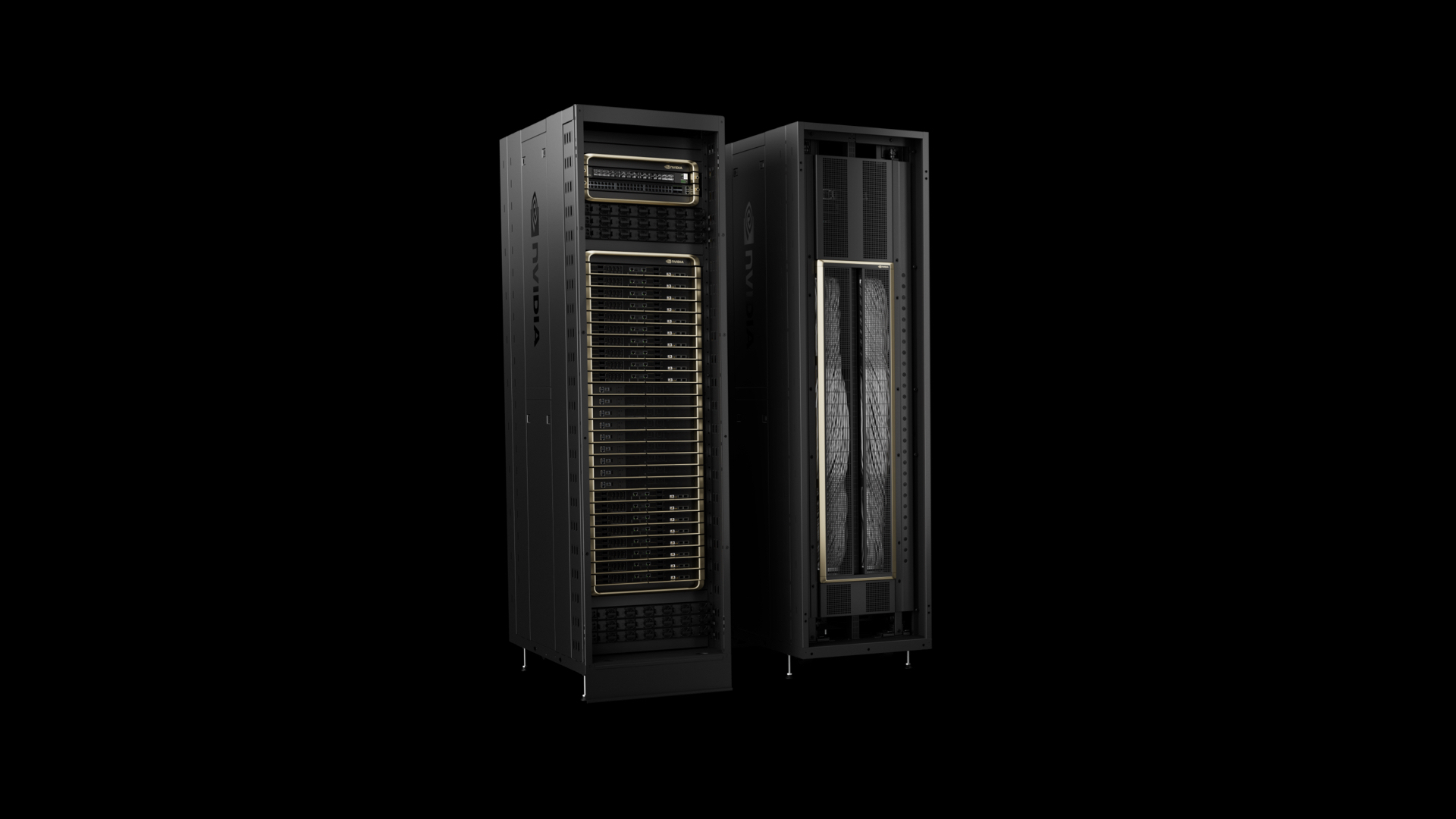
Nvidia is preparing to launch a new generation of artificial intelligence hardware, signalling its determination to maintain dominance in the rapidly expanding AI chip market. Investors and industry analysts are watching closely as the company readies potential announcements ahead of its annual GTC developer conference. The intense interest reflects Nvidia’s central role in the global AI boom, with technology companies, cloud providers and start-ups building their AI systems around its processors.
The company’s upcoming hardware is expected to focus strongly on AI inference, the stage where trained models deliver real-time results. While training builds the intelligence behind a system, inference powers everyday uses such as chatbots, recommendation engines and automated decision tools. Faster and more efficient inference chips could allow businesses to deploy powerful AI services at scale while keeping energy consumption and operating costs under control.
At the centre of Nvidia’s roadmap is the Rubin platform, a new architecture designed specifically for large-scale AI workloads. The platform combines multiple technologies, including the Vera CPU and the Rubin GPU, alongside advanced networking and data-processing systems engineered to operate as a single integrated platform. Nvidia designed the system to reduce training times and improve efficiency when running massive AI models that require enormous computing power.
Demand for AI infrastructure continues to surge as companies across industries integrate generative AI into their operations. Cloud providers are building vast data centres packed with high-performance chips to meet this need, while governments and research institutions are investing heavily in AI computing capacity. Nvidia’s hardware already forms the backbone of many of these systems, giving the company a powerful position as the AI arms race accelerates.
The next generation of chips could determine how long Nvidia keeps its lead. Rival firms are investing heavily in their own AI processors, hoping to challenge the company’s dominance in data-centre computing. If Nvidia’s new hardware delivers meaningful improvements in speed and efficiency, it could strengthen the company’s hold on the market. If competitors close the gap, the battle for control of the AI infrastructure industry could enter a far more competitive phase.
Author: Victor Olowomeye