
Nothing is quietly assembling a broader artificial intelligence hardware strategy, one that could push the brand beyond its niche appeal and into more direct competition with global tech heavyweights.
According to a report from Bloomberg, the company plans to launch smart glasses as early as next year. These glasses are expected to integrate cameras, microphones and speakers, forming a wearable interface that connects to a smartphone and cloud infrastructure to handle AI-driven queries.
That approach mirrors a growing industry shift: devices no longer operate in isolation. Instead, they act as access points into a wider ecosystem powered by artificial intelligence. The question is whether consumers will embrace yet another screen—this time on their face.
At the centre of this pivot is Carl Pei, the company’s co-founder and chief executive. Initially sceptical about smart glasses, Pei has reportedly repositioned his thinking. He now advocates a multi-device ecosystem, encouraging teams to expand beyond smartphones and audio products into a more interconnected hardware lineup.
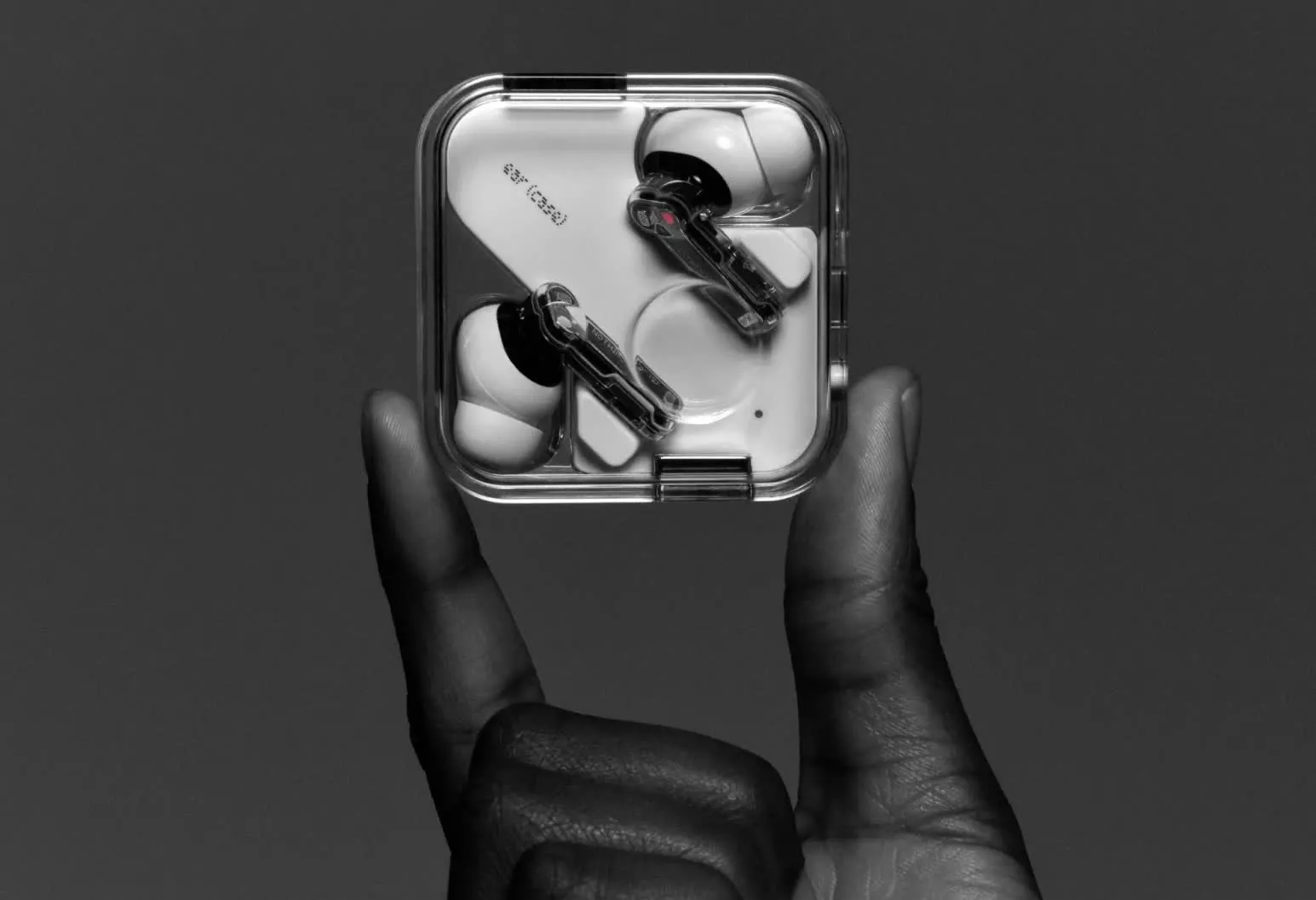
Nothing’s roadmap doesn’t stop there. The company is also preparing to release AI-enabled earbuds later this year, signalling a layered strategy where multiple devices work together to deliver seamless, voice-led interactions.
This direction marks an evolution from earlier messaging. In 2024, Pei suggested the company’s first dedicated AI device would arrive in 2026, without specifying the format. Now, the picture appears clearer: AI will not live in a single flagship product but across a portfolio.
The competitive landscape is already crowded. Companies such as Meta, Even Realities and Rokid have established positions in smart glasses. Meta, in particular, has iterated quickly, recently unveiling models that support prescription lenses.
More challengers are lining up. Apple is widely expected to enter the category, while Google is reportedly collaborating with Samsung on its own version. For Nothing, entering this space raises a critical question: how does a smaller player differentiate when giants control both hardware ecosystems and developer platforms?
The company’s recent financial momentum offers some context. Nothing reached unicorn status after securing a $200 million Series C round at a $1.3 billion valuation. Its products have built a loyal following, driven largely by distinctive industrial design—transparent casings and minimalist aesthetics that stand out in a crowded market.
Yet scale remains a challenge. The global smartphone sector continues to be dominated by entrenched leaders including Apple, Samsung, several major Chinese manufacturers, and Google. Nothing’s market share remains small by comparison.
That reality explains the company’s emphasis on innovation. Pei has repeatedly stressed the need to rethink both hardware and software, with AI acting as the differentiator. Last year, the company introduced a tool that allows users to generate mini applications using AI prompts—an early संकेत of how it envisions user interaction evolving.
The broader strategy suggests a shift from selling standalone gadgets to building an ecosystem where devices anticipate needs and respond in real time. If executed well, it could position Nothing as a design-led alternative in an AI-first world.
If it falls short, it risks becoming another ambitious entrant overshadowed by platforms with deeper resources and tighter integration.
Author: George Nathan Dulnuan