
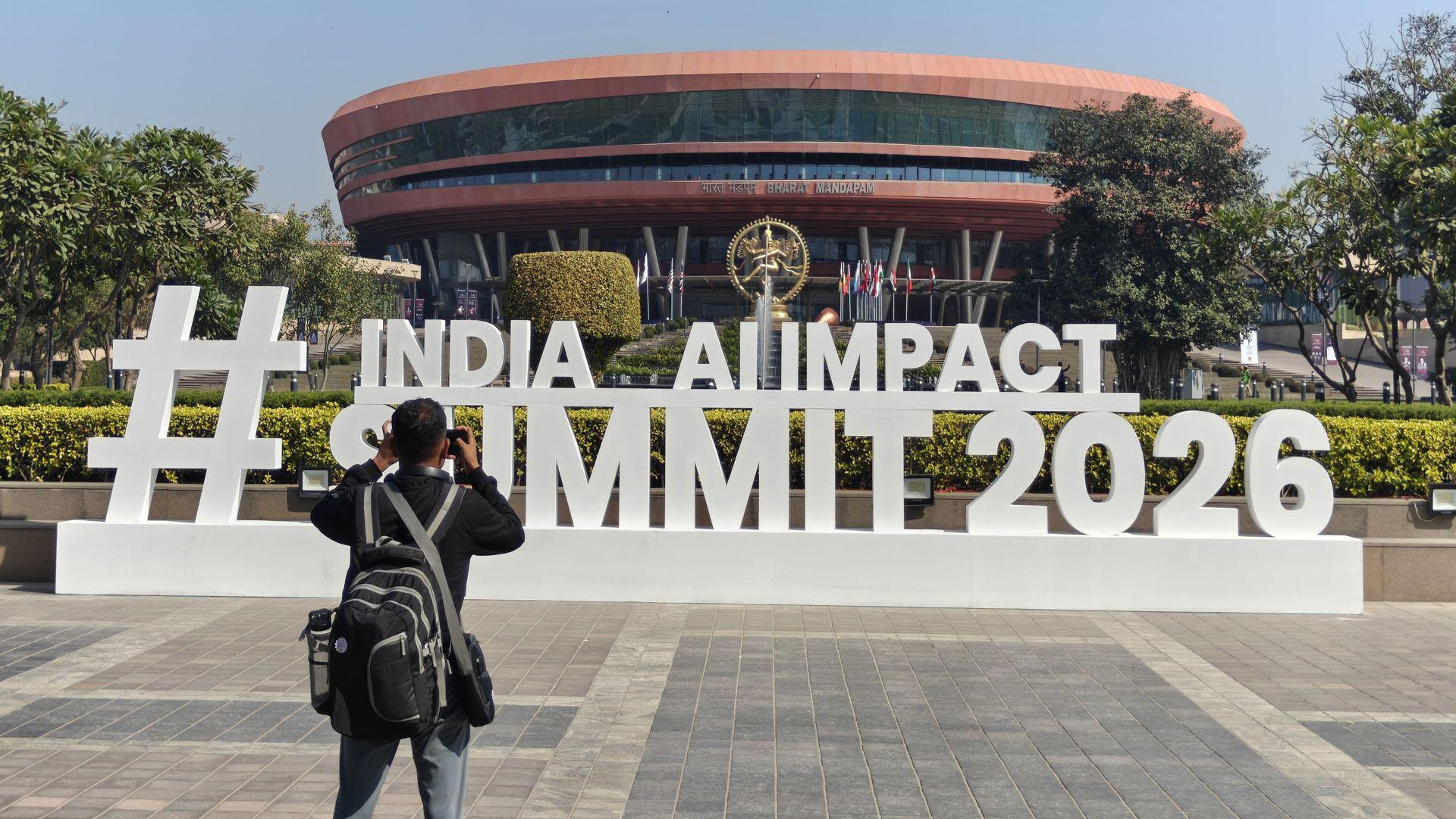
French President Emmanuel Macron has travelled to India for a high-profile AI summit aimed at strengthening technological ties between the European Union and India. The visit centres on cooperation in AI regulation, joint research and long-term innovation, as both regions seek greater influence over how artificial intelligence develops and is governed.
The timing reflects a strategic recalibration. Europe is pressing ahead with its AI Act, setting some of the world’s strictest regulatory standards, while India is investing heavily in digital infrastructure and technical talent. Bringing these approaches together offers mutual advantage: Europe gains scale and engineering capacity, while India benefits from regulatory frameworks that could help shape its own governance models.
The summit places particular emphasis on research collaboration. Joint projects between European universities and India’s expanding research ecosystem aim to accelerate progress in areas such as healthcare, climate modelling and language technologies. These initiatives mirror choices faced by many organisations, where partnerships often unlock expertise and resources that internal teams alone cannot provide.
Regulation remains a central theme. Both sides recognise that unchecked AI development carries risks, from misinformation to economic disruption. Aligning regulatory principles allows companies to operate across borders with clearer expectations, reducing uncertainty and encouraging responsible innovation. The challenge lies in balancing safeguards with the flexibility needed to support rapid technological progress.
Macron’s visit signals Europe’s intent to play a more active role in shaping global AI governance through strategic alliances. As the geopolitical stakes of technology rise, closer EU–India cooperation offers a counterweight to dominant players in the US and China, positioning both regions as influential voices in defining the future of artificial intelligence.
Author: Victor Olowomeye