
Published: February 2026
Category: Technology, Laptops, Reviews
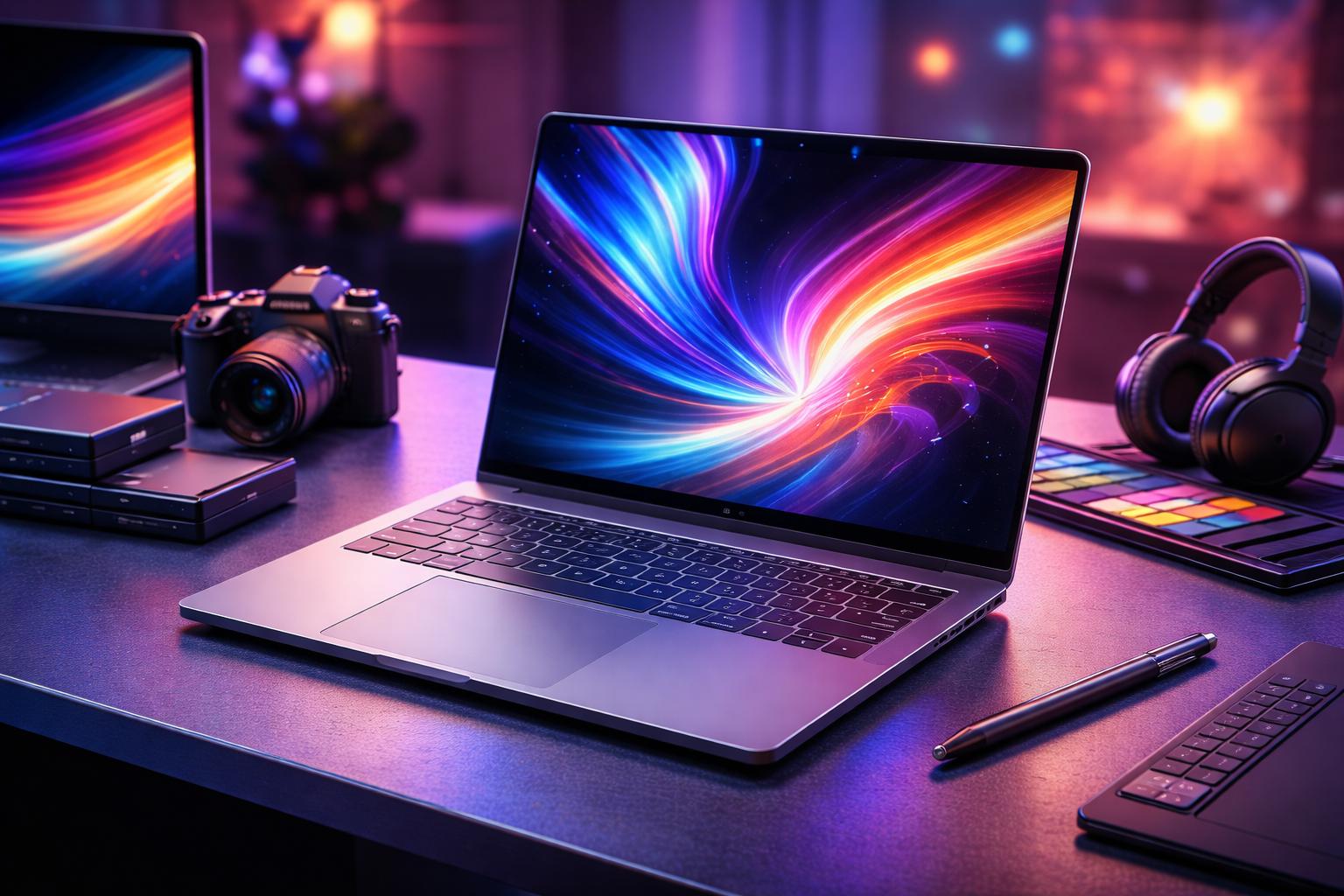
Lenovo has quietly built one of the most consistent winning streaks in the premium laptop market, and the Yoga Pro 9i 16 Aura Edition sits confidently at the top of that run. This is not a flashy reinvention of the Yoga brand. It is something more deliberate: a creator focused laptop that prioritises performance, display quality and everyday usability over gimmicks.
For anyone who edits video, works with large design files or juggles demanding workloads all day, this machine makes a compelling case for itself the moment you lift the lid.
A flagship Yoga without the hinges
Unlike many Yoga models, the Pro 9i 16 Aura Edition is not a two in one. Lenovo has committed fully to a traditional clamshell design here, and that decision pays off. Without the compromises required for tablet mode, the laptop feels sturdier, cooler under load and better balanced.
The Aura Edition branding signals Lenovo’s emphasis on performance tuning, AI assisted optimisation and premium displays. Even if you are sceptical about AI features in laptops, the fundamentals here are hard to ignore: a high end Intel processor, dedicated Nvidia graphics and one of the best OLED panels Lenovo has ever shipped.
This is a laptop built for creators who want desktop class capability in something that still fits into a backpack.
Specifications at a glance
Lenovo Yoga Pro 9i 16 Gen 10 Aura Edition
Price as reviewed: £1,700
Display: 16 inch 2.8K OLED touchscreen
Processor: Intel Core Ultra 9 285H
Memory: 32GB LPDDR5X
Graphics: Nvidia GeForce RTX 5050
Storage: 1TB PCIe Gen 4 SSD
Wireless: Wi Fi 7 and Bluetooth 5.4
Weight: 2.05kg
Operating system: Windows 11 Home
Higher end configurations add a tandem OLED display and more powerful RTX graphics, while custom builds can push memory up to 64GB.
Performance that backs up the promise
The pairing of Intel’s Core Ultra 9 processor and Nvidia’s RTX 5050 delivers exactly what this laptop promises: strong creative performance without the noise and heat normally associated with high powered machines.
In day to day use, everything feels immediate. Large photo libraries load quickly, video timelines scrub smoothly and multitasking never feels strained. In synthetic benchmarks, the Yoga Pro 9i 16 consistently outpaces premium productivity rivals and even holds its own against some gaming laptops.
Gaming performance is a bonus rather than the main focus, but it is a welcome one. At 1080p, modern titles run comfortably, and even at the display’s native resolution, frame rates remain playable with sensible settings. More importantly, the laptop stays impressively quiet. Fan noise is restrained, and the chassis design does an excellent job of managing heat during long sessions.
This is the kind of performance that makes long creative days feel less exhausting, because the machine never gets in the way.
A display that does the heavy lifting
The real star of the Yoga Pro 9i 16 is its 16 inch OLED display. The 2.8K resolution hits a sweet spot, delivering sharp text and detailed images without the power drain of ultra high resolution panels.
Colour accuracy is excellent, with full coverage of the sRGB colour space and strong Adobe RGB performance. Blacks are deep, whites are clean and brightness is high enough to work comfortably in bright environments.
For photographers, video editors and designers, this screen removes the need for an external monitor in many situations. It is simply a pleasure to work on.
Solid design, understated style
If you are expecting something visually dramatic, the Yoga Pro 9i 16 may underwhelm. The design is clean, muted and professional. Grey aluminium dominates, with rounded edges and a subtle webcam bump that doubles as a convenient grip for opening the lid.
While it lacks visual flair, the build quality is excellent. The chassis feels rigid, the finish is premium and nothing creaks or flexes under pressure. At just over two kilograms, it is not ultralight, but that weight feels justified given the performance inside.
Keyboard, touchpad and everyday usability
The keyboard offers good travel and a crisp response, making long typing sessions comfortable. Backlighting is adjustable, though the brightest setting can be distracting in low light.
The glass touchpad is enormous and responsive, but its size pushes the keyboard slightly higher than ideal. This can lead to awkward wrist placement during long sessions, especially if you rest your palms heavily. It is a minor ergonomic flaw in an otherwise well thought out layout.
Port selection is generous and practical:
• Two Thunderbolt 4 USB C ports
• Two USB A ports
• HDMI
• Full size SD card reader
• 3.5mm headphone jack
• Dedicated charging port
The 5 megapixel webcam delivers sharp video and works reliably with Windows Hello facial recognition. A physical privacy switch adds peace of mind.
Audio falls short of expectations
With six speakers onboard, expectations are high, but the sound quality does not fully deliver. Audio lacks depth and can sound slightly hollow, especially at higher volumes. It is fine for calls and casual viewing, but creators working with audio will want headphones or external speakers.
Who this laptop is for
The Yoga Pro 9i 16 Aura Edition is not trying to be everything to everyone. It is aimed squarely at creators and power users who value performance, display quality and quiet operation over flashy design.
For under £2,000, it delivers:
• Excellent creative and productivity performance
• A standout OLED display
• Quiet operation even under load
• Strong build quality and port selection
With a next generation model on the way, discounts are likely, making this Gen 10 version an even better value.
Final verdict
The Lenovo Yoga Pro 9i 16 Aura Edition proves that a creator focused laptop does not need to shout to make its point. It combines serious performance with a superb display and thoughtful design choices that prioritise real world use.
If your work depends on speed, colour accuracy and reliability, this is a laptop that earns its place on your desk and in your bag.
Author. Adigun Adedoye.