
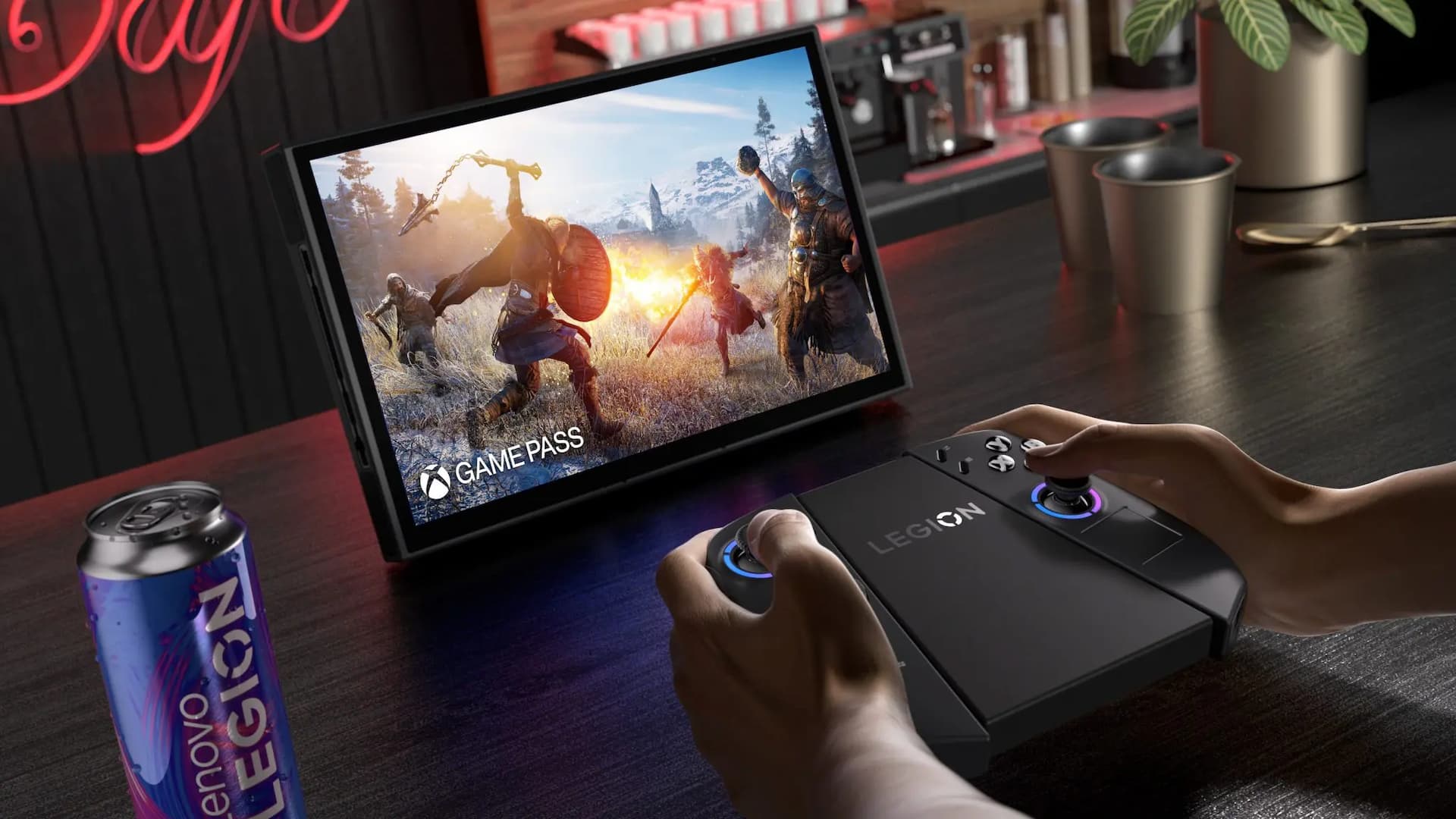
Lenovo has taken a decisive step into the future of portable gaming, unveiling the Legion Go Fold at Mobile World Congress 2026 in Barcelona. The concept device signals more than an incremental update to its handheld ambitions. It represents a calculated move to redefine what a gaming console can be when flexibility becomes the headline feature. Lenovo is not simply iterating. It is testing a new category.
The Legion Go Fold transforms from a compact handheld into a larger-format gaming display, anchored by an expansive foldable screen designed to deliver immersive visuals without sacrificing portability. In handheld mode, it competes directly with established rivals in the growing portable gaming market. Unfolded, it shifts closer to a tablet-sized experience, creating room for strategy titles, productivity tasks and even light creative work. That dual-purpose design mirrors the way professionals increasingly demand devices that shift with their day, moving from commute to desk without friction.
Lenovo executives positioned the device as a glimpse of where gaming hardware may head next. The company has already built credibility with its Legion ecosystem of laptops and accessories. By extending that brand into foldable hardware, Lenovo strengthens its broader ecosystem strategy. Consumers who already rely on Legion laptops may see the Fold as a natural companion rather than a standalone purchase. The question becomes clear: will gamers embrace adaptability over raw power?
The move arrives as the portable gaming sector grows more competitive. Valve’s Steam Deck reshaped expectations for handheld PC gaming. Nintendo continues to dominate hybrid console thinking. Lenovo now enters the conversation with a foldable proposition that blends hardware experimentation with ecosystem logic. If the foldable display proves durable and software optimisation keeps pace, Lenovo could capture a segment of players who value versatility as much as frame rates.
For investors and industry watchers, the Legion Go Fold signals confidence in consumer appetite for premium experimentation. Foldable displays remain costly and technically demanding. By showcasing this device on a global stage, Lenovo demonstrates willingness to invest in form-factor innovation rather than relying solely on incremental performance upgrades. The broader implication stretches beyond gaming. If foldable computing gains traction in this segment, it may accelerate adoption across tablets and laptops. Lenovo has placed its marker early. Whether the market follows will determine if the Legion Go Fold becomes a concept remembered or a catalyst that reshapes portable computing.
Author: Victor Olowomeye