
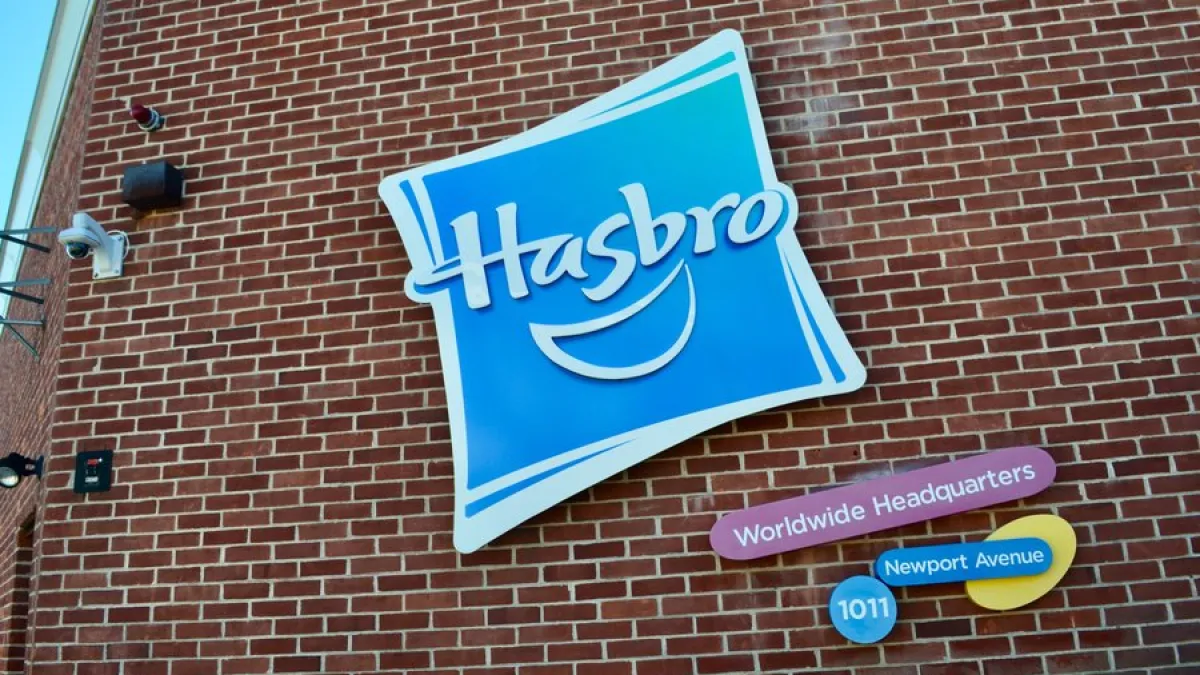
Executives at Hasbro are confronting a disruption few consumer brands anticipate but many now prepare for: a cyberattack that has forced the company into contingency mode and could take weeks to fully resolve.
The manufacturer behind globally recognised franchises including Transformers, Peppa Pig and Dungeons & Dragons disclosed in a filing with the U.S. Securities and Exchange Commission that it identified unauthorised access to its systems on 28 March. Leadership responded by taking parts of its infrastructure offline, a move that signals both urgency and caution.
That decision reflects a familiar dilemma for large enterprises: shut systems down to contain the threat, or keep them running and risk deeper compromise. Hasbro chose containment, but not without cost.
To keep business moving, the company activated continuity plans designed to maintain core functions. Orders continue to flow, products are still shipping, and operations remain partially intact. For a business tied closely to retail cycles and consumer demand, even a short interruption can ripple across supply chains and revenue forecasts.
Visitors attempting to access sections of Hasbro’s website midweek encountered outages, with messages indicating the platform was “currently undergoing maintenance.” For customers, it’s a temporary inconvenience. For executives, it’s a visible sign of a deeper operational challenge.
Behind the scenes, Hasbro has enlisted external cybersecurity specialists while continuing to reinforce its internal defences. The company acknowledged it is still “implementing measures to secure its business operations,” a phrase that raises a pressing question: are the attackers still inside?
The nature of the breach remains unclear. No confirmation has emerged on whether this incident involves ransomware, data theft, or another form of intrusion. When asked for further detail, spokesperson Andrea Snyder reiterated that the company had “taken swift action to protect our systems and data,” but declined to elaborate on whether hackers had made contact or issued demands.
That silence is not unusual. Companies often withhold specifics during active investigations to avoid complicating response efforts or signalling vulnerabilities. Yet it leaves stakeholders asking: what is the true scale of the risk?
Cyberattacks have shifted from isolated IT issues to boardroom-level crises. Criminal groups now target large corporations not only to extract ransom payments but also to disrupt operations in ways that inflict lasting financial damage. The playbook has evolved—steal data, threaten exposure, and halt production until payment is made.
A recent example underscores the stakes. A breach at Jaguar Land Rover in 2025 brought manufacturing lines to a standstill for months. The disruption proved so severe that the UK government intervened with a $1.5 billion bailout guarantee to stabilise the company and protect its supply chain.
Could a similar scenario unfold in other sectors? For consumer brands like Hasbro, the risks extend beyond immediate losses. Delays in production or distribution can weaken retailer relationships, disrupt seasonal launches, and erode consumer trust.
In its communication to investors, Hasbro signalled that recovery will not be immediate. The company expects to rely on interim systems for “several weeks before the situation is fully resolved.” That timeline suggests a complex remediation process, likely involving system rebuilding, forensic analysis, and layered security upgrades.
Another uncertainty looms: data exposure. Hasbro stated it does not yet know whether any information was compromised. Investigators are still working to determine the scope of the breach.
That unknown carries weight. If sensitive data—whether customer, employee, or proprietary—has been accessed, the consequences could extend far beyond operational downtime. Regulatory scrutiny, legal exposure, and reputational damage often follow.
For leaders across industries, Hasbro’s situation offers a clear reminder. Cyber resilience no longer sits solely within IT departments. It shapes how companies plan, invest, and respond under pressure.
The real test begins after the breach: how quickly systems recover, how transparently companies communicate, and how effectively they rebuild trust with customers and investors alike.
Author: George Nathan Dulnuan