
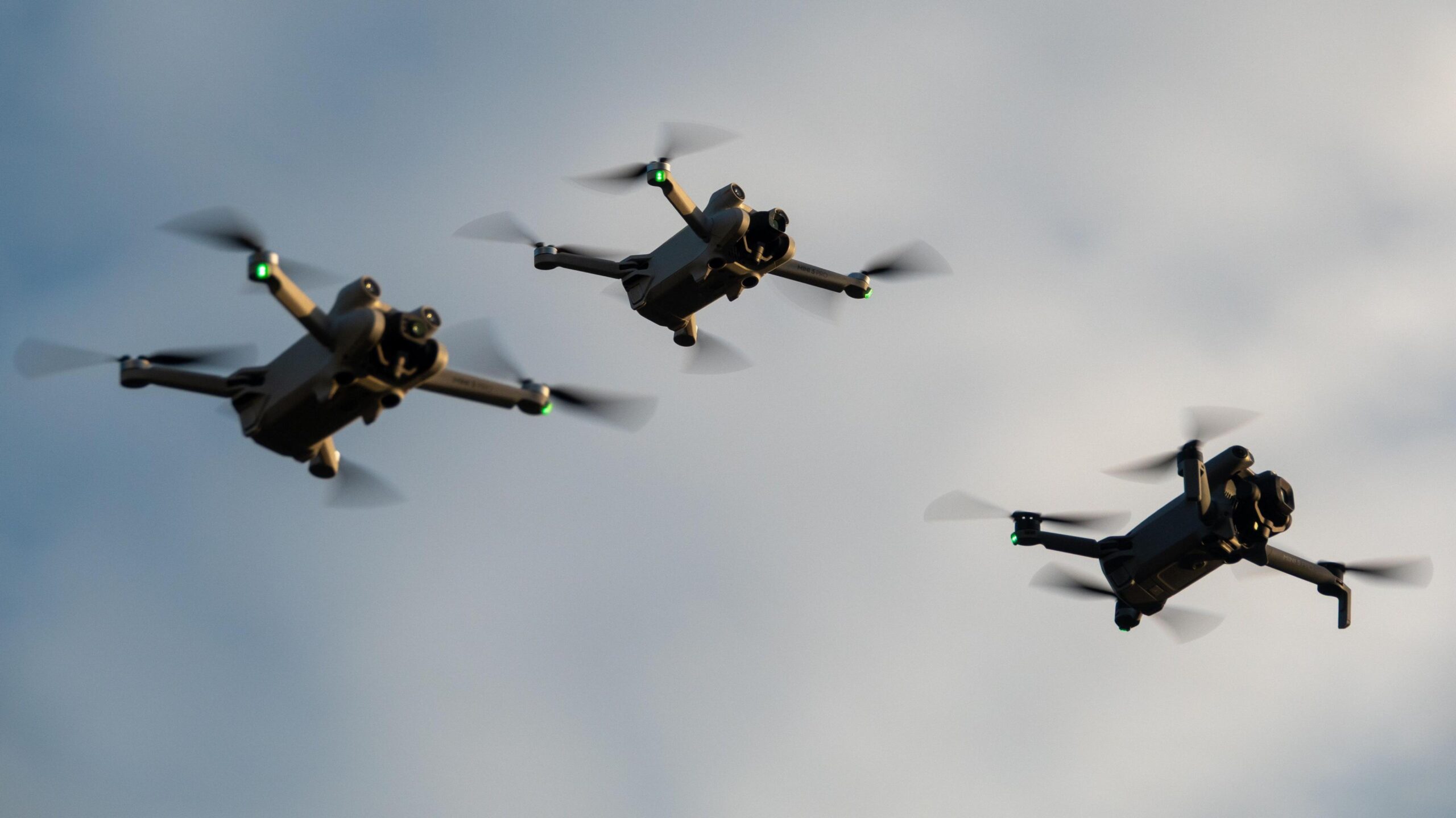
The European Union is accelerating efforts to scale up drone production, signalling a shift in how it prepares for modern conflict.
Unmanned systems have moved from supporting roles to the centre of warfare strategy. Recent conflicts, including those in Ukraine and Iran, have demonstrated how quickly drones are deployed — and depleted — on the battlefield. For Europe, the lesson is clear: reliance on external suppliers presents a strategic risk.
That dependence is now under scrutiny.
European policymakers are pushing to build domestic capacity, aiming to reduce reliance on foreign technology while strengthening defence readiness. Central to this effort is the rollout of funding initiatives such as the European Defence Industry Programme, alongside targeted subsidies for critical components used in drone systems.
The approach goes beyond funding alone. The EU is also introducing faster financing mechanisms to support startups and accelerate innovation, recognising that speed is as critical as scale in defence technology.
Drones sit at the core of this strategy.
Efforts are underway to develop and test next-generation systems in collaboration with partners such as Ukraine. These partnerships are designed to create a shared industrial ecosystem, enabling faster production cycles and more resilient supply chains.
At the same time, the EU is investing in counter-drone capabilities — systems designed to detect, track, and neutralise hostile unmanned aircraft. New standards are also being developed to ensure reliability and security across deployed technologies.
The expansion extends beyond combat applications. Drone-based surveillance is set to play a larger role in monitoring borders and protecting critical infrastructure, reflecting a broader integration of unmanned systems into security frameworks.
This raises a pivotal question: can the EU transition from a regulatory powerhouse to a manufacturing force capable of producing defence technology at scale?
The answer will shape not only Europe’s military readiness, but its position in a rapidly evolving global security landscape.
Author: George Nathan Dulnuan