
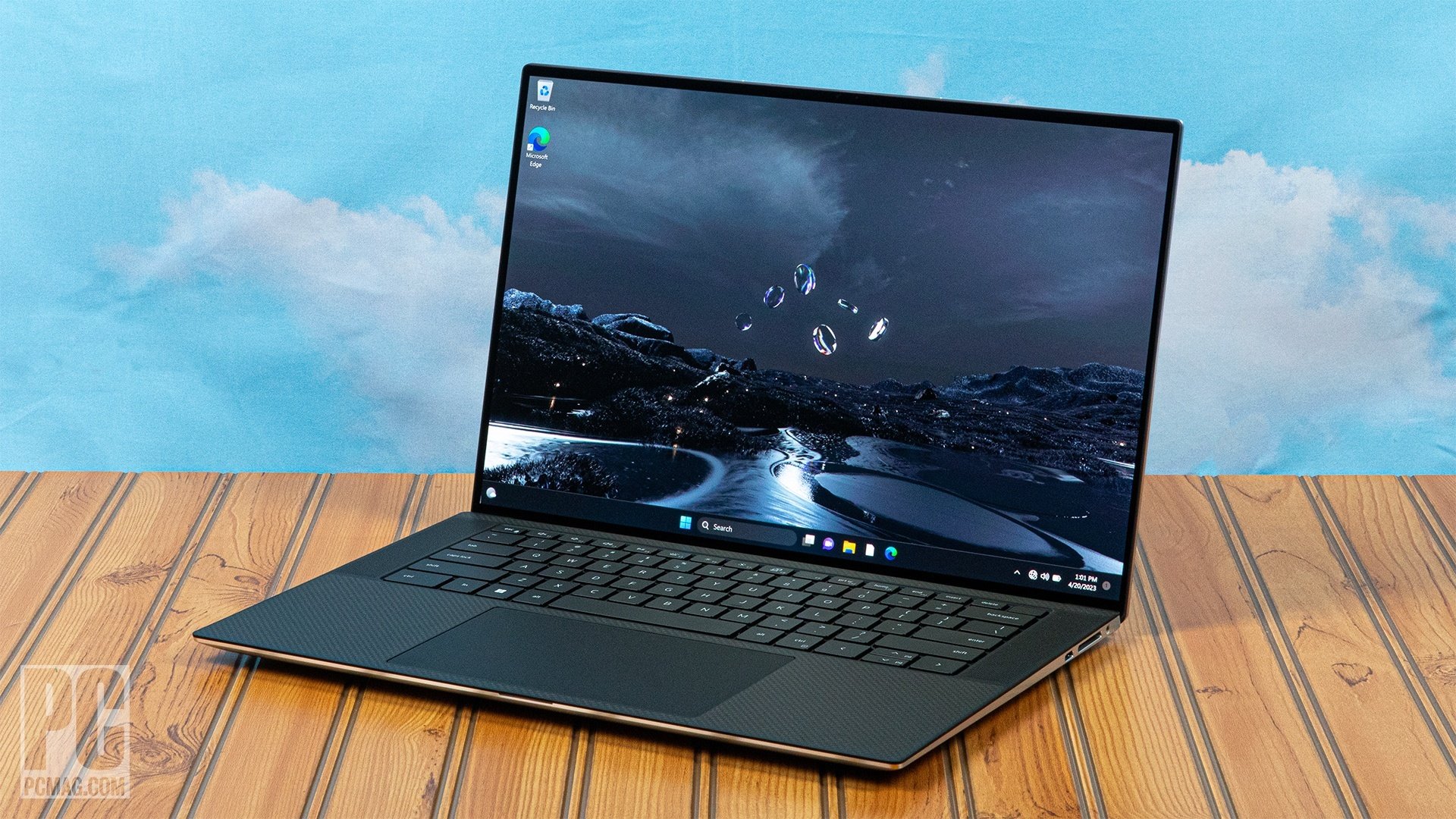
Dell has officially revived its XPS laptop brand, reversing a recent rebranding decision that had drawn criticism from customers and industry observers. The return of XPS marks a strategic adjustment for the company, underscoring the continued importance of one of its most established names in the premium PC market.
The controversy began when Dell attempted to simplify its product lineup by moving away from legacy branding in favour of a more uniform naming structure. While intended to create clarity, the change instead caused confusion and weakened the identity of the XPS line, which for years had been closely associated with high-end design, performance, and build quality. For many consumers, the absence of the XPS name signalled a loss of focus on Dell’s flagship laptops.
By restoring the XPS brand, Dell is reaffirming its commitment to that premium segment. The revived lineup maintains its emphasis on sleek design, high-resolution displays, and powerful hardware aimed at professionals and power users. Rather than introducing a dramatic redesign, Dell appears to be relying on the established reputation of XPS to rebuild confidence and strengthen its position in an increasingly competitive market.
The decision also reflects the broader challenges facing the PC industry, where differentiation has become increasingly difficult. As competitors continue to refine their premium offerings, a strong and recognizable brand can influence purchasing decisions as much as technical specifications.
In bringing back XPS, Dell signals that brand equity still matters. The move suggests that while innovation remains critical, abandoning well-known product identities can carry risks, particularly when customers associate those names with quality and reliability built over many years.
Author: Abel Vazquez Sanchez