
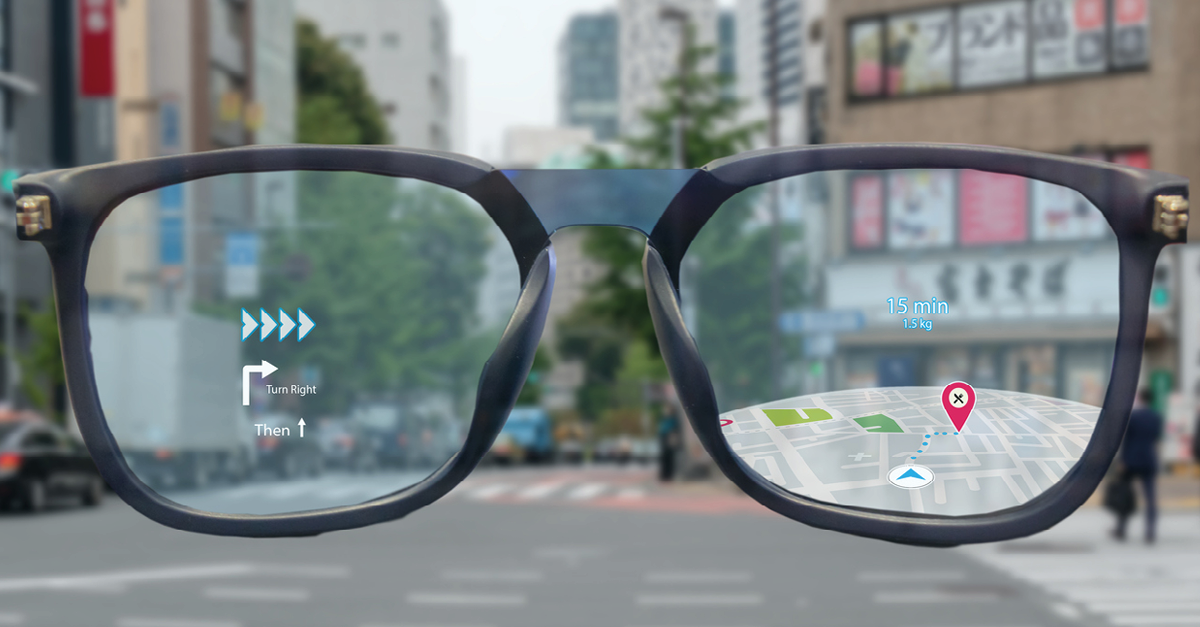
Smart glasses advocates argue that privacy fears are exaggerated, noting that smartphones, CCTV, and facial recognition are already widespread. Cases like recovered Nest Doorbell footage highlight how pervasive recording has become. What makes smart glasses unsettling, however, is their invisibility: tiny cameras, faint privacy LEDs, and discreet designs that resemble ordinary eyewear. Their subtlety is both their appeal and their risk.
The Ray-Ban Meta smart glasses exemplify this tension. Their discreet design makes them effective—and potentially powerful monitoring tools. Though Meta claims recording is impossible if the privacy light is disabled, reports from 404 Media describe inexpensive modifications that can bypass the light, and anecdotal accounts suggest malfunctions can occur.
Privacy concerns deepen given Meta’s history, including the Facebook–Cambridge Analytica data scandal, leadership controversies surrounding Mark Zuckerberg, and recent policy changes to expand AI training data. Reports from The New York Times indicate the company has explored features that could identify individuals with public Meta profiles, raising fears about facial recognition in everyday settings.
Supporters note potential benefits, such as assisting blind or low-vision users, helping with name recall at events, or easing social interactions. Yet deploying identification tools broadly risks opening a “Pandora’s box,” especially without clear cultural norms or enforcement.
The failure of Google Glass demonstrated how quickly public backlash can derail wearable tech. Critics argue that placing powerful recording tools in users’ hands requires more than reminders to act responsibly. Reports have already surfaced of influencers recording women without consent and of students exploiting the glasses to identify strangers. Company responses have largely pointed to terms of service and the presence of LED indicators.
Public sentiment remains sharply divided. Online, the devices are labeled with derisive nicknames and violent imagery, reflecting anxiety about constant surveillance. While most people may never notice the glasses, incidents such as a New York City woman publicly destroying a pair worn by an influencer show how charged the reaction can be.
Author: Mohammed Najem