
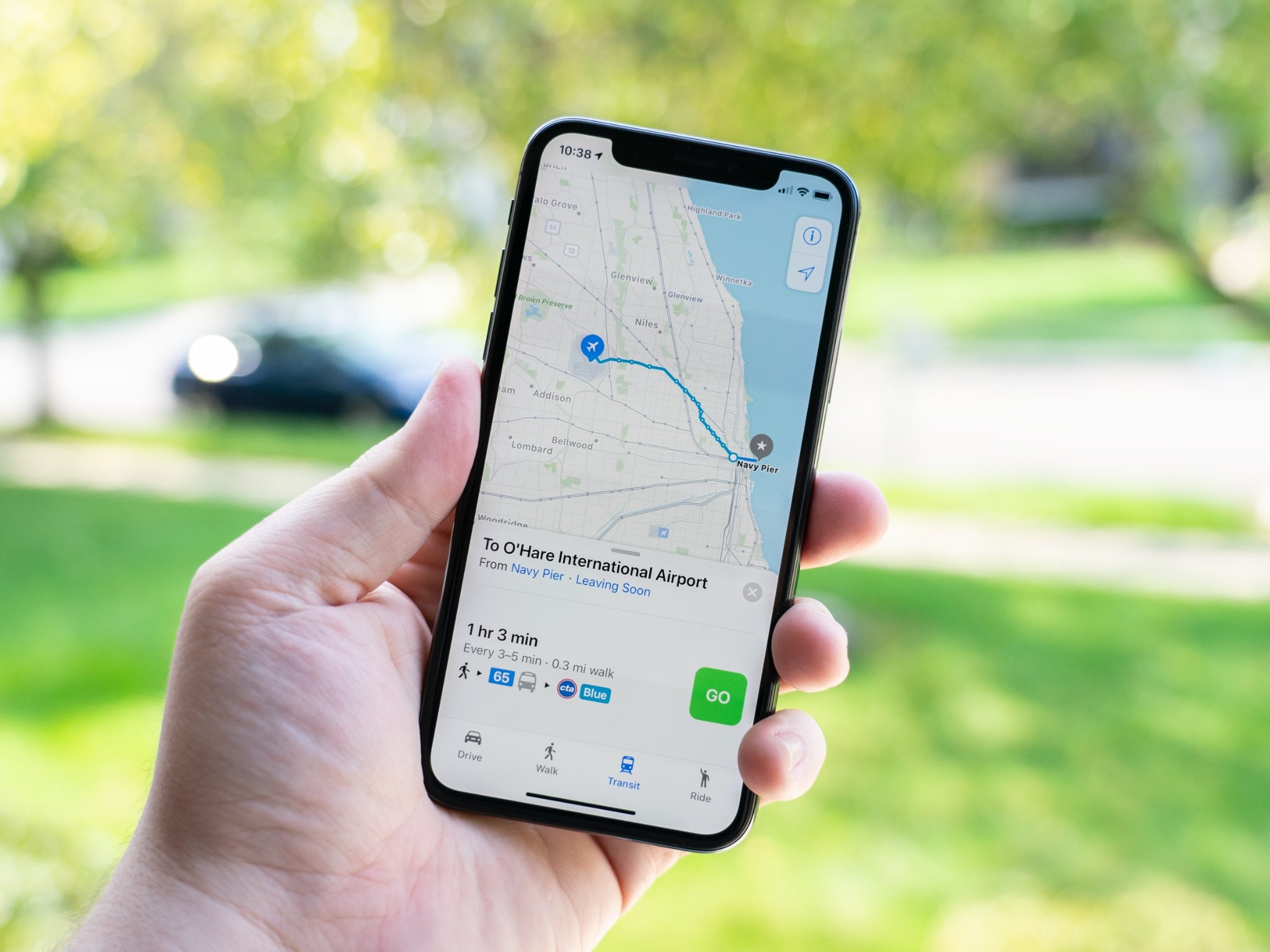
Apple appears ready to redraw the boundaries of one of its most practical tools—quietly transforming a navigation app into a potential advertising platform.
For years, Apple Maps has lived in the shadow of Google Maps, rarely earning top billing among navigation services. That distinction has long belonged to its rival. Now, a new development could further reshape how users experience Apple’s mapping ecosystem.
According to a report from Bloomberg, Apple is preparing to introduce advertisements داخل the Maps app, with an official announcement potentially arriving as soon as this month. Sources suggest users could begin seeing ads within the iOS version of the app by summer.
Turning Search Into Sponsored Space
The proposed model centres on search behaviour—arguably the most valuable real estate in any digital product.
Businesses would compete in a bidding system to secure prominent placement when users search for relevant terms. A simple query—say, “restaurants” or “coffee”—could yield results shaped not only by proximity or ratings, but by marketing spend.
That means:
- A café could pay to appear above competitors nearby
- A retail shop might outrank better-reviewed options
- A bar could gain visibility simply by winning a keyword auction
This structure mirrors established advertising systems already embedded in competing platforms. Bing Maps, for instance, offers similar promotional tools to local businesses, while Google has refined this model for years.
The shift raises a practical question: when you search for a place to eat after a long workday, are you choosing the best option—or the most promoted one?
A Familiar Strategy, Applied Differently
Apple is not new to advertising. It already integrates ads across parts of its ecosystem, particularly within digital storefronts and content platforms.
What sets Maps apart is intent.
Users don’t browse Maps casually. They open it with a clear objective—finding a location, planning a route, or making a decision in real time. That immediacy gives search results outsized influence.
Introducing ads into that moment changes the dynamic. A tool once built purely for guidance begins to shape outcomes in subtler ways.
Revenue Meets Real-World Behaviour
The business logic behind the move is difficult to ignore.
Advertising offers:
- Scalable revenue without physical production costs
- Direct alignment with user intent
- Continuous monetisation of everyday actions
As hardware growth stabilises, Apple has leaned more heavily on services to drive income. Embedding ads into Maps taps into a high-frequency behaviour—local search—that users perform daily without hesitation.
Think of it like choosing where to eat during a lunch break. That small, routine decision becomes a monetised interaction, repeated millions of times over.
Progress Meets Uncertainty
Apple Maps has evolved significantly from its earlier iterations, when users criticised it for limited functionality and inconsistent performance.
Recent updates have strengthened its position:
- Integrations with respected consumer guides like the MICHELIN Guide and Golf Digest
- Enhanced traffic insights introduced during WWDC last summer
- Improved contextual data around daily commuting patterns
These upgrades signal a product that has matured into a credible alternative in the navigation space.
Yet the introduction of ads introduces uncertainty. How will paid placements interact with features users value—particularly Apple’s emphasis on privacy and tools like its location history widget?
The Balance Apple Must Strike
The success of this move hinges on execution.
If Apple integrates ads with precision—ensuring relevance without overwhelming the interface—they could feel like useful suggestions. If not, they risk undermining trust in a tool people rely on for clarity and accuracy.
Consider the stakes: when a user depends on Maps to make quick, real-world decisions, even subtle bias in results can shift outcomes.
That leaves a lingering question.
If navigation tools begin prioritising paid visibility, can they still claim to guide users objectively—or do they become marketplaces disguised as maps?
Author: George Nathan Dulnuan