
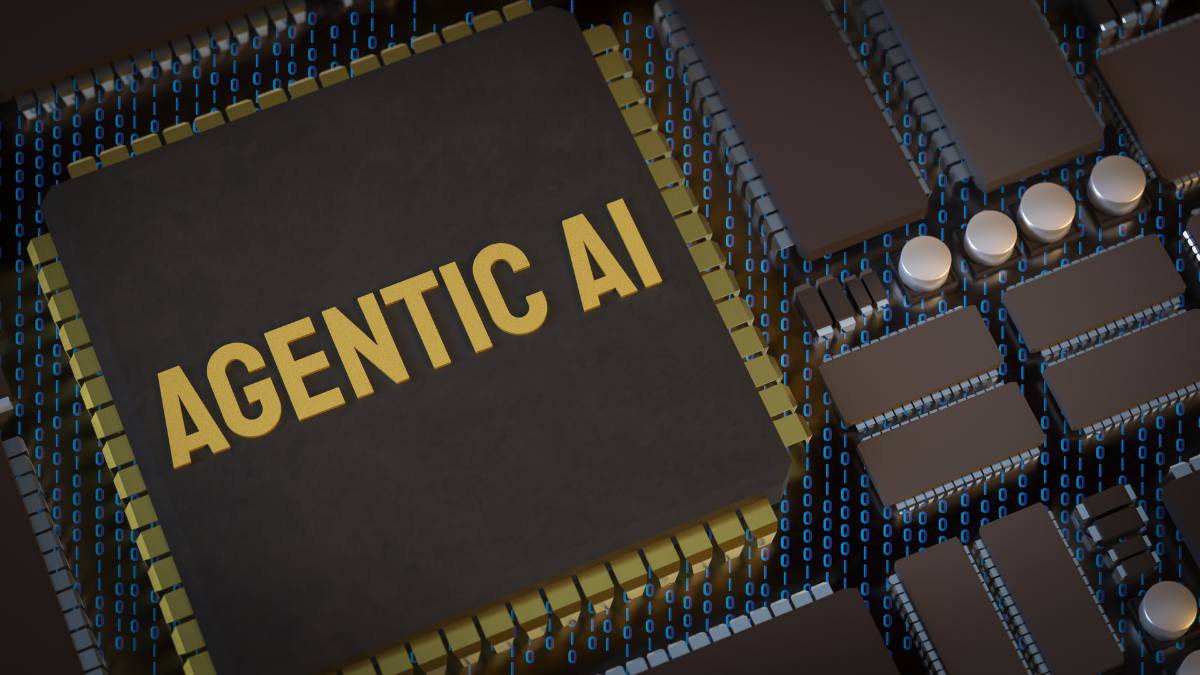
A new wave of “agentic AI” chips has been announced, signalling a shift in how artificial intelligence hardware is designed and deployed. Unlike traditional processors built primarily for training models, these chips are engineered to support autonomous AI systems that can plan, execute and adapt tasks in real time. As businesses move towards more independent AI agents, the demand for specialised hardware is accelerating.
These chips focus on enabling continuous decision-making rather than one-off computations. They are designed to handle complex workflows, allowing AI systems to interact with software, analyse data and take action without constant human input. This marks a step beyond conventional AI usage, where systems respond to prompts but do not actively manage tasks end-to-end.
At the core of this development is a combination of high-speed processing, advanced memory integration and efficient power usage. Agentic AI requires constant context awareness and rapid data access, pushing hardware to operate at higher levels of performance while maintaining stability. This has led to innovations in chip architecture aimed at supporting long-running, multi-step processes.
The implications for businesses are significant. From automating customer service operations to managing logistics and internal workflows, agentic AI systems could reduce operational overhead and improve efficiency. Companies investing in this technology may gain an advantage by deploying AI that not only assists employees but actively carries out responsibilities.
This evolution raises an important question: if AI can independently execute tasks, how will roles across industries change? As agentic systems become more capable, the relationship between human decision-making and machine autonomy is set to be redefined.
Author: Victor Olowomeye