
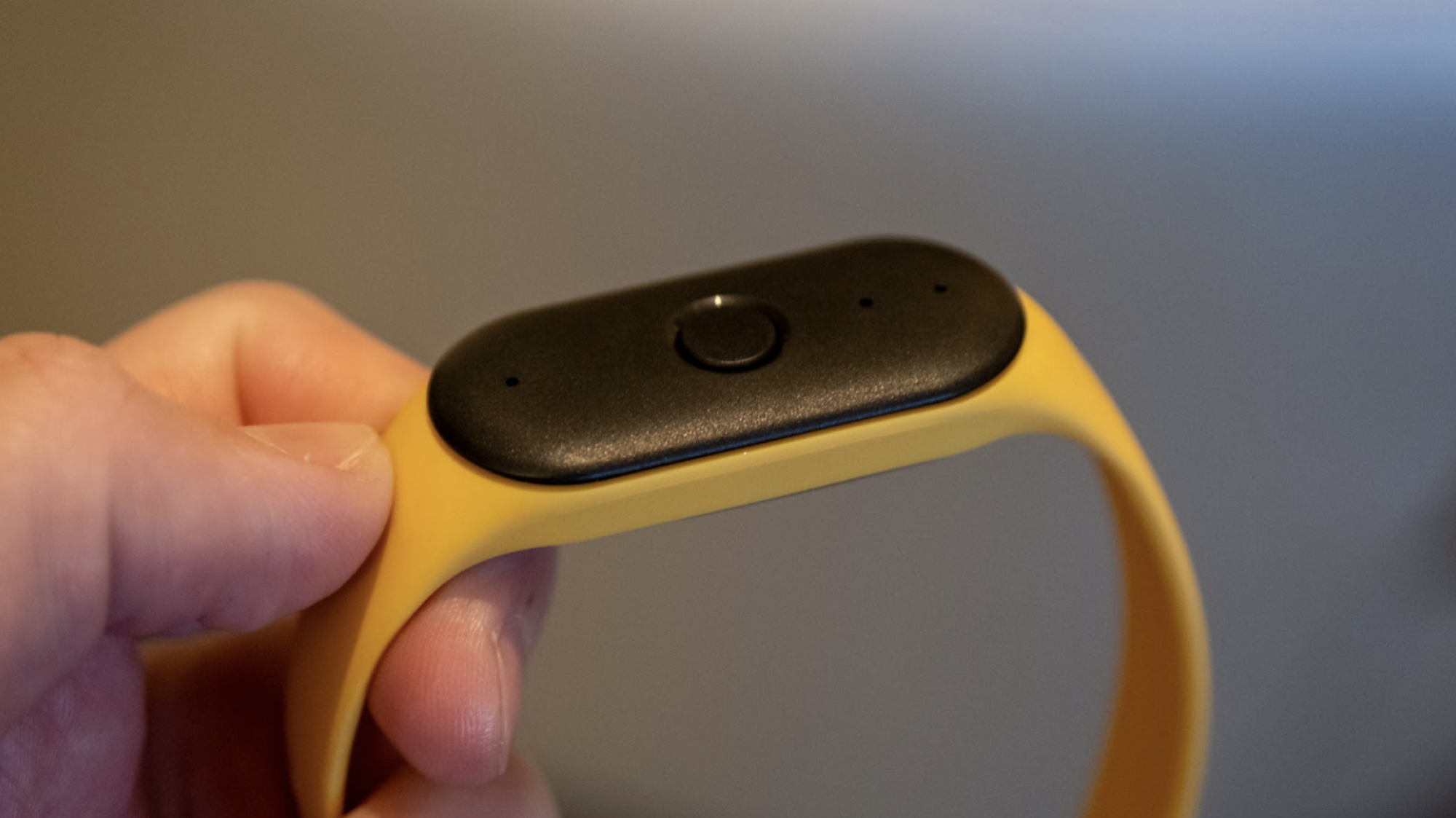
Amazon has highlighted its recent acquisition of Bee, a small AI wearables company, as a key part of its effort to extend its artificial intelligence presence beyond the home and into everyday life. Bee makes a wearable device that can be worn as a clip-on pin or bracelet and uses AI to record and analyse user conversations and activities, helping to generate summaries, reminders and follow-ups from daily interactions.
Unlike previous attempts by Amazon to integrate its Alexa assistant into earbuds and smart glasses, Bee’s wearable is designed to act as a more personal companion, learning from a user’s recordings and linked services such as email, calendars, contacts and health data to build an understanding of patterns and commitments.
At the Consumer Electronics Show (CES) in Las Vegas, Bee’s co-founder described how the company sees its technology working alongside Alexa: Bee focuses on understanding life outside the home, while Alexa remains strong inside it. Amazon executives have suggested that the two experiences could eventually be brought together to deliver even more comprehensive AI support throughout a user’s day.
Early use cases cited for the wearable include helping students by recording and summarising lectures, aiding older adults with memory tasks, and supporting professionals who want to capture spoken thoughts without taking manual notes. By transcribing conversations and discarding the raw audio, Bee aims to strike a balance between usefulness and user privacy, although the lack of audio playback may limit some professional scenarios.
Since joining Amazon, the Bee team has been fast at work expanding the device’s feature set, adding tools such as voice notes, daily insight summaries and AI-driven actions that can interface with a user’s email and calendar to turn conversations into outcomes. These developments point to a vision of “ambient AI” that understands and assists users across the whole of their daily lives.
The acquisition reflects Amazon’s broader strategy to compete in the growing personal AI market and push its technology further beyond smart speakers and home devices, as it seeks new ways to make AI a seamless part of everyday routines.
Author: Kieran Seymour