
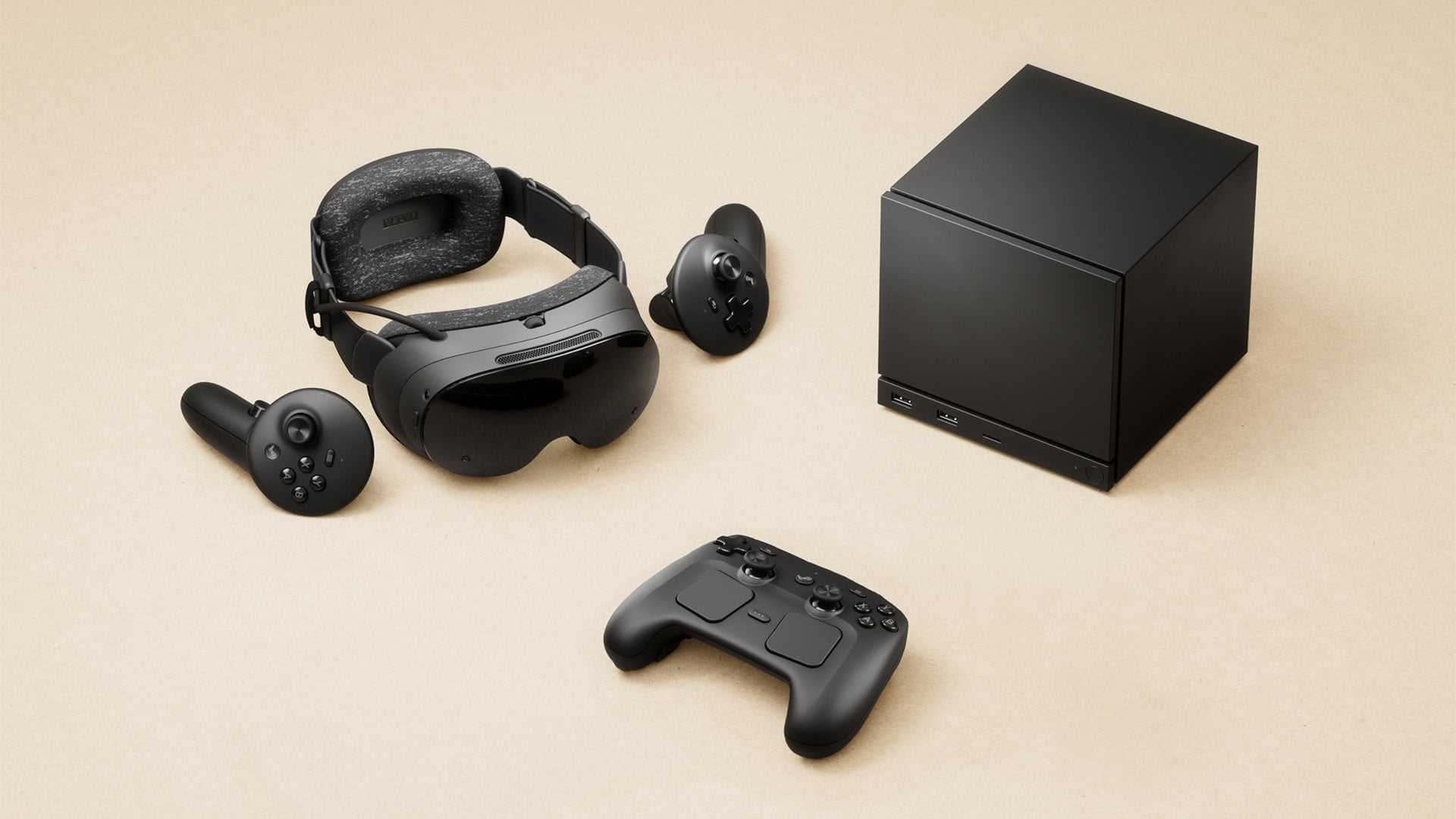
Valve’s new Steam Machine is best understood not as a conventional console, but as an attempt to extend SteamOS as a unified, living-room PC platform. Built around a Linux-based operating system and designed to boot directly into Steam’s interface, the device targets users who want console-style usability without abandoning PC openness.
At a technical level, the Steam Machine represents a continuation of Valve’s hardware-as-ecosystem strategy, already established with the Steam Deck. Rather than locking developers or users into a proprietary environment, Valve is doubling down on standard PC components, Proton compatibility layers, and shared software tooling across devices. The goal is consistency: one Steam library, one account, multiple form factors.
Crucially, Valve is not pursuing the subsidised hardware model typical of mainstream consoles. The Steam Machine is expected to be priced in line with comparable PCs, reinforcing that its value lies in platform reach and software continuity, not mass-market disruption. This positions the device squarely at enthusiasts who care about performance-per-pound, OS flexibility and long-term upgrade paths.
For technologists, the Steam Machine is notable for what it signals about the future of gaming platforms. Valve is treating hardware as an access layer to services, not the core product. SteamOS, Proton, cloud saves, cross-device installs and controller abstraction are the real differentiators, the box under the television is simply another endpoint.
Whether the Steam Machine succeeds commercially is secondary. Strategically, it strengthens Valve’s push towards a hardware-agnostic PC gaming ecosystem, where Linux compatibility, scalable performance profiles and open tooling matter more than exclusives or unit sales. In that sense, the Steam Machine is less about competing with consoles, and more about redefining what a console can be.
Author: Mohammed Najem