
Nvidia Positioned to Lead the AI Boom
Nvidia remains well positioned to benefit from the global surge in artificial intelligence, with AI infrastructure spending expected to reach trillions of dollars by 2030. New platforms such as Vera Rubin, alongside expanding partnerships across cloud computing, telecommunications and healthcare, continue to strengthen the company’s leadership in accelerated computing.
While competition, the rise of custom chip development and high valuations present potential risks, Nvidia’s role as a core enabler of AI, robotics and autonomous systems supports a strong long-term outlook. Some analysts are already speculating about the possibility of Nvidia reaching a $10 trillion market valuation by the end of the decade.
Nvidia’s Three Sectors in the Industry
Nvidia’s business is structured around three core sectors, each defined by the products it sells and the markets it serves.
The company’s largest segment is Data Centre, where Nvidia supplies advanced AI and computing hardware used to train and deploy artificial intelligence systems. Products such as high-performance GPUs, AI servers and specialised CPUs are sold to cloud providers, enterprises and research institutions, positioning Nvidia as a central player in global AI infrastructure.
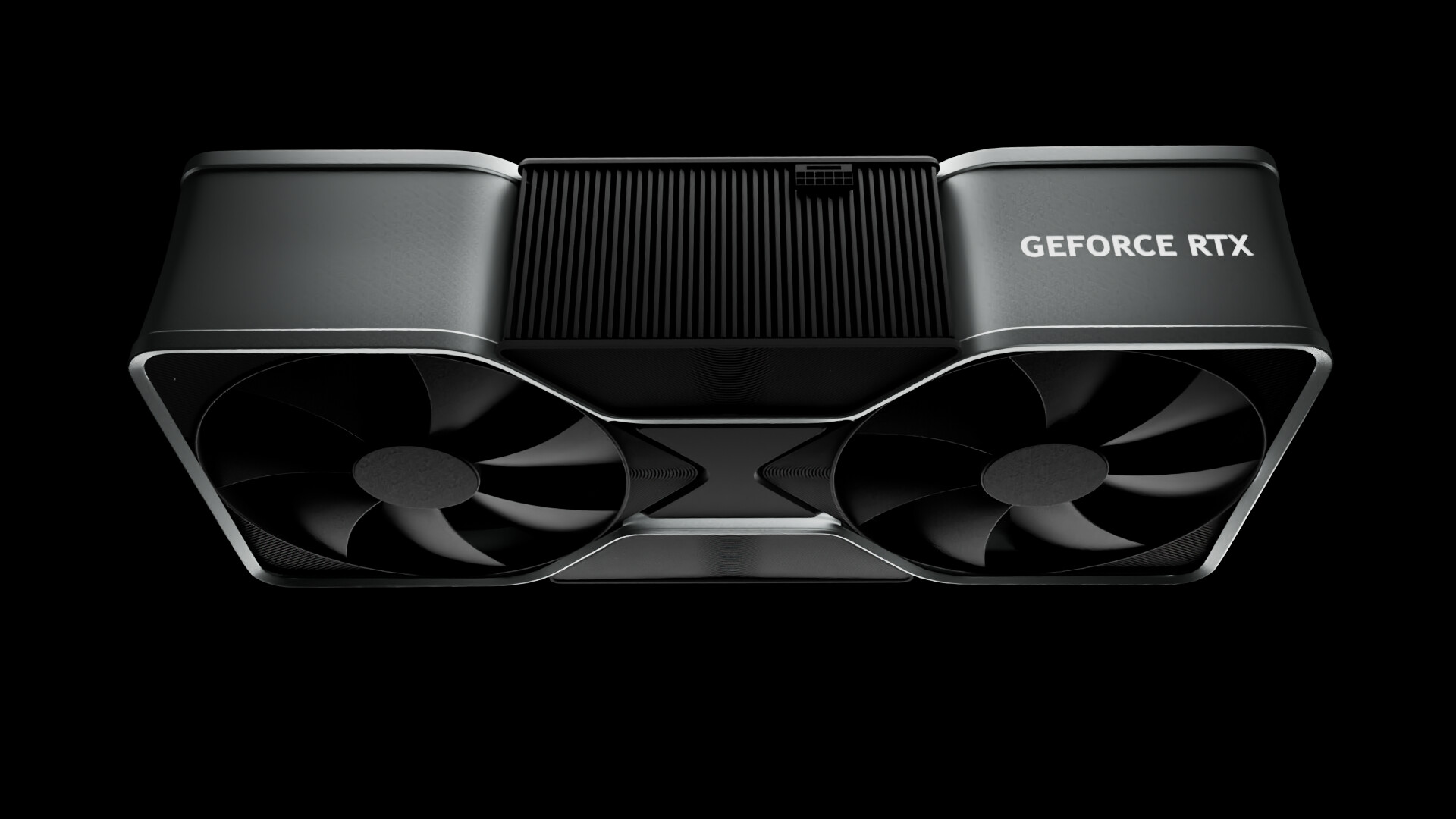
In Gaming, Nvidia focuses on consumer graphics products, led by its GeForce RTX graphics cards. These products power PC gaming and advanced visual effects, supported by software technologies designed to enhance performance and realism.
The third sector combines Professional Visualisation and Automotive. For enterprise customers, Nvidia provides workstation GPUs and simulation platforms used in design, engineering and digital modelling. In the automotive sector, the company supplies AI platforms that support advanced driver-assistance systems and autonomous vehicle development.
Together, these product-driven segments position Nvidia as a key supplier across AI, graphics and next-generation computing markets.
Nvidia’s Future Potential and Debunking Common Theories
A common misconception is that Nvidia is moving away from the consumer market. In reality, the company is highly unlikely to exit this segment, as it continues to generate billions of dollars in revenue from gaming GPUs while maintaining a dominant market share. Consumer products also support Nvidia’s three-sector strategy by providing diversification, particularly at a time when concerns are growing about over-reliance on the AI boom.
However, the consumer market is increasingly influenced by AI driven features. A major focus is DLSS 4, now a core component of Nvidia’s standard gaming and desktop GPUs. DLSS uses artificial intelligence to upscale lower-resolution images into higher resolutions, improving performance and visual output. While the technology is widely regarded as innovative, some consumers have expressed dissatisfaction, arguing that Nvidia is relying more heavily on AI upscaling while delivering smaller improvements in raw hardware performance, potentially lowering production costs and increasing profit margins.
Author Jamie Rina