
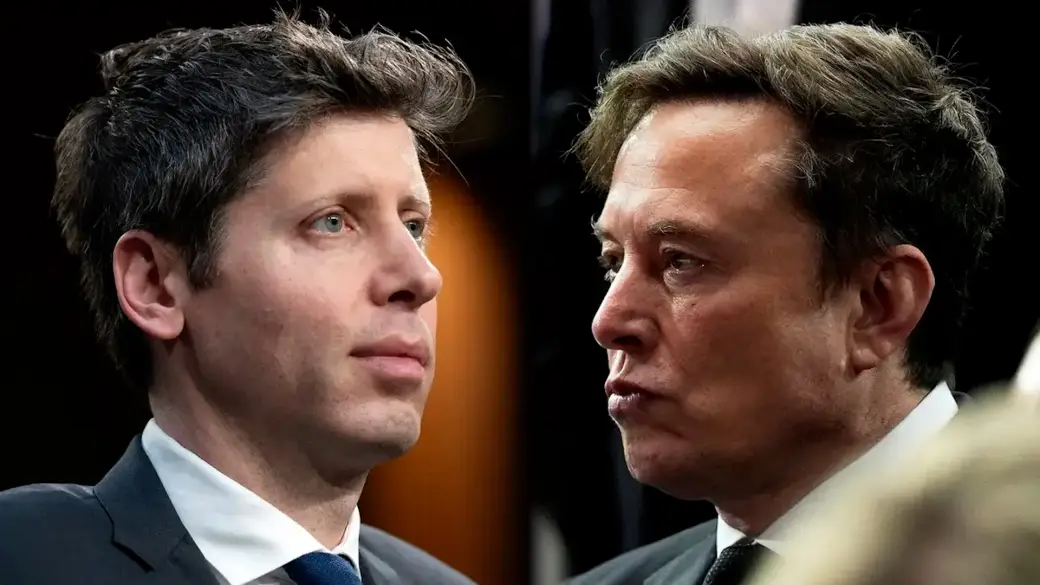
Elon Musk has lost his lawsuit against OpenAI and chief executive Sam Altman, ending one of the most closely watched legal disputes in the artificial intelligence industry.
The case centred around claims made by Musk regarding OpenAI’s direction and whether the company had moved away from its original mission. Musk, who helped co-found OpenAI before leaving the organisation, had argued that the company prioritised commercial interests over its initial goals.
The court’s decision represents a significant outcome for OpenAI as competition and tensions continue to grow within the AI sector. It also highlights the increasingly complex relationships between major technology leaders as artificial intelligence becomes one of the world’s most valuable industries.
The dispute gained attention because of Musk’s long-standing criticism of OpenAI, despite launching his own AI company, xAI, in recent years. The rivalry has increasingly reflected broader competition over who will shape the future of artificial intelligence.
Legal experts say the ruling could influence future challenges involving AI companies, governance structures, and the balance between commercial growth and original organisational principles.
While the case may be over, competition between major AI firms appears to be intensifying, with companies racing to dominate everything from consumer products to large-scale AI infrastructure.
The outcome reinforces how legal battles are becoming part of the wider AI race, alongside investment, talent recruitment, and technological development.
Author: Kieran Seymour