
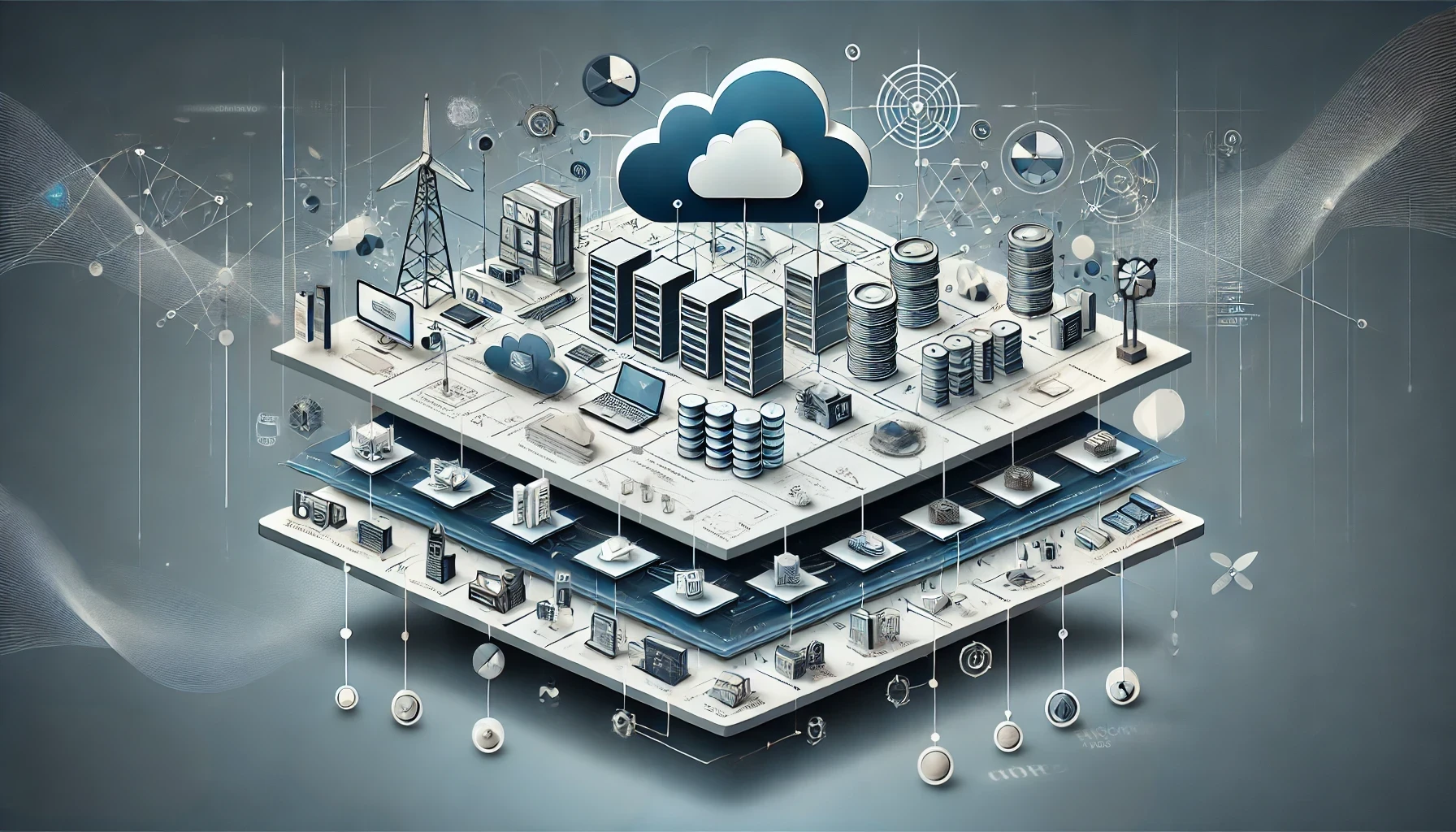
Digital infrastructure and connected platforms are becoming the foundation of the modern tech industry, reshaping how companies compete and grow. Rather than focusing solely on individual products, major firms are now investing heavily in ecosystems that connect hardware, software and services into a single seamless experience.
Marketplaces are playing a major role in this shift. Platforms that connect buyers, sellers and developers are becoming increasingly powerful because they create long-term user engagement and recurring revenue. Whether it is app stores, cloud services or digital commerce platforms, companies are prioritizing ecosystems that keep users within their networks for longer periods of time.
At the same time, semiconductor technology has become one of the most important assets in the global economy. Advanced chips now power everything from smartphones and gaming systems to artificial intelligence and cloud computing. As demand for processing power grows, companies and governments are treating chip production as a strategic priority, leading to major investments in manufacturing and research.
Connected ecosystems are also changing consumer expectations. Users increasingly expect their devices and services to work together smoothly across multiple platforms. Companies that can deliver integrated experiences across phones, laptops, gaming systems and smart devices are gaining a competitive advantage in an increasingly crowded market.
This growing focus on infrastructure and platforms highlights a major shift in the tech industry’s priorities. Success is no longer defined only by creating a popular product but by building an ecosystem that users rely on every day. As competition intensifies, the companies controlling these interconnected platforms could shape the future of technology for years to come.
Author: Victor Olowomeye