
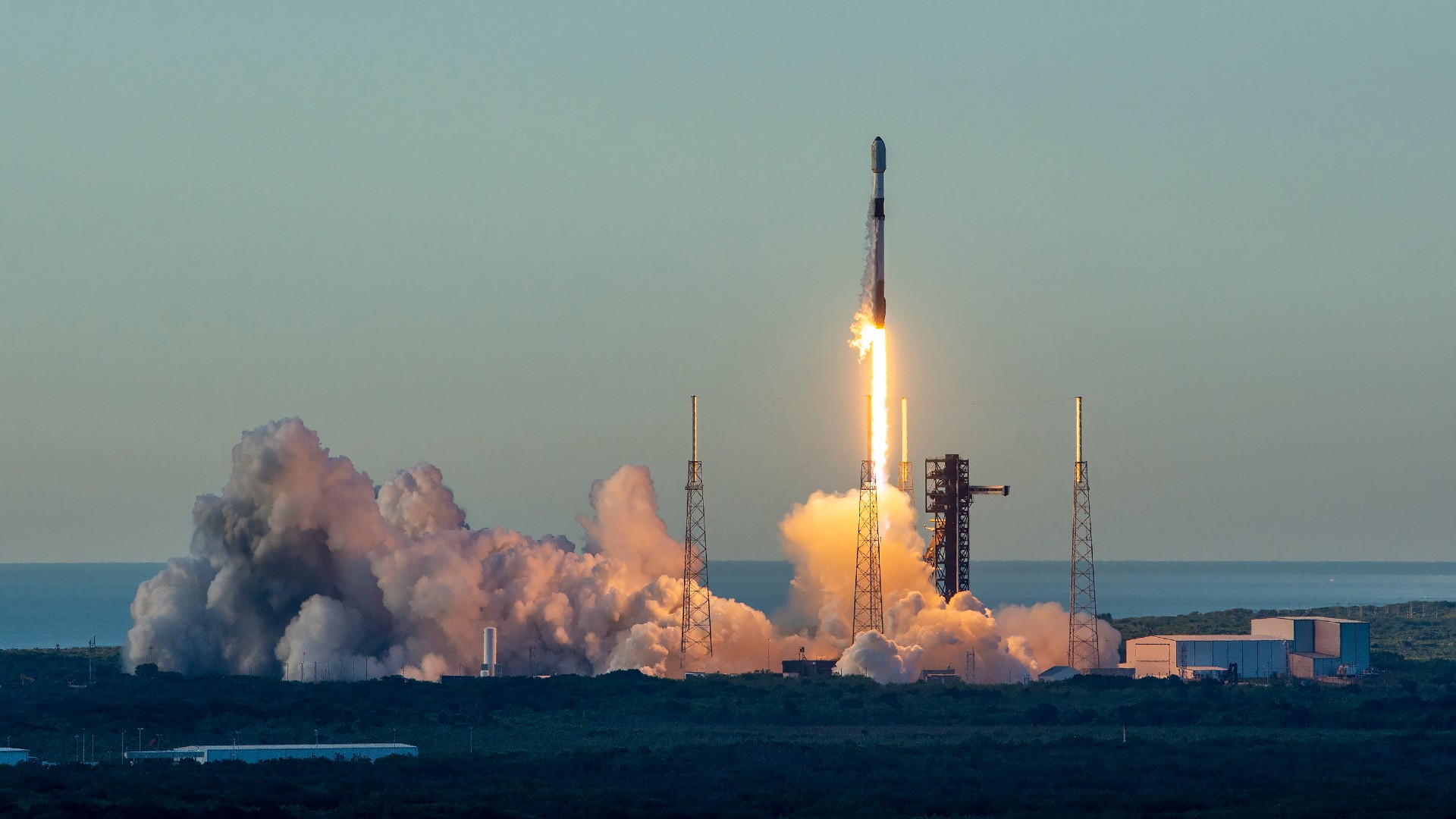
Space technology is advancing faster than ever as countries and private companies race to expand their presence beyond Earth. From commercial rocket launches to ambitious lunar missions, the global space industry is entering a new era driven by innovation, competition and growing investment.
Major organizations such as SpaceX, NASA and European Space Agency are leading a surge in space activity. Rocket launches have become more frequent, with missions focused on satellite deployment, scientific research and preparations for future deep-space exploration. Reusable rocket technology is also reducing costs and making space access more practical than ever before.
At the same time, more countries are developing their own space programmes. Nations across Asia, Europe and the Middle East are increasing investments in satellite systems, communications technology and exploration missions. This growing international involvement is turning space into a highly competitive and collaborative global industry.
Private companies are also playing a larger role in shaping the future of space travel. Commercial partnerships are driving innovation in areas such as space tourism, cargo transportation and next-generation spacecraft design. As competition increases, companies are pushing to develop faster, safer and more efficient launch systems.
The rapid growth of space technology could have major long-term impacts on communication, scientific discovery and even the global economy. While challenges such as high costs and space debris remain concerns, the momentum behind modern space programmes suggests that the next decade could redefine humanity’s relationship with space.
Author: Victor Olowomeye