
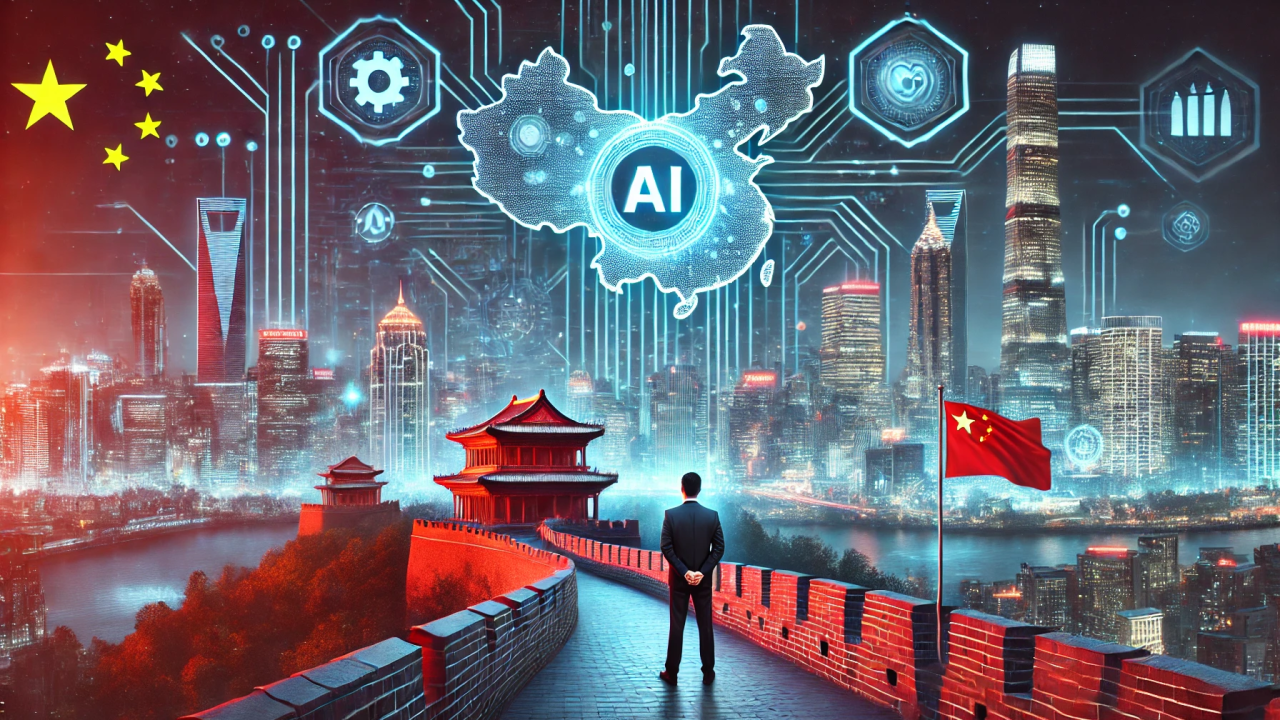
China is reportedly taking steps to limit the impact of artificial intelligence on employment, signalling a more cautious approach to automation compared with other major economies.
Government officials are said to be introducing policies aimed at ensuring that AI is used to support, rather than replace, human workers. The measures are expected to focus on industries where automation could lead to significant job losses, particularly in manufacturing, customer service and administrative roles.
The approach reflects growing concern about the social and economic consequences of rapid technological change. While artificial intelligence has the potential to increase efficiency and productivity, it also raises questions about workforce displacement and long term employment stability.
Under the proposed framework, companies may be encouraged or required to maintain human involvement in key processes, even where automation is technically possible. There is also likely to be increased emphasis on retraining programmes, helping workers transition into new roles that complement AI systems.
Industry analysts note that China has historically embraced automation to drive economic growth. However, balancing innovation with social stability has become an increasingly important priority as AI capabilities expand.
Businesses operating within the country may need to adapt their strategies to align with the new direction, potentially slowing the pace of full automation in certain sectors. At the same time, the policy could encourage the development of AI systems designed to enhance human productivity rather than replace it entirely.
The move highlights a broader global debate about the role of artificial intelligence in the workforce, as governments seek to manage both the opportunities and risks associated with emerging technologies.
Author: Abel Vazquez Sanchez