
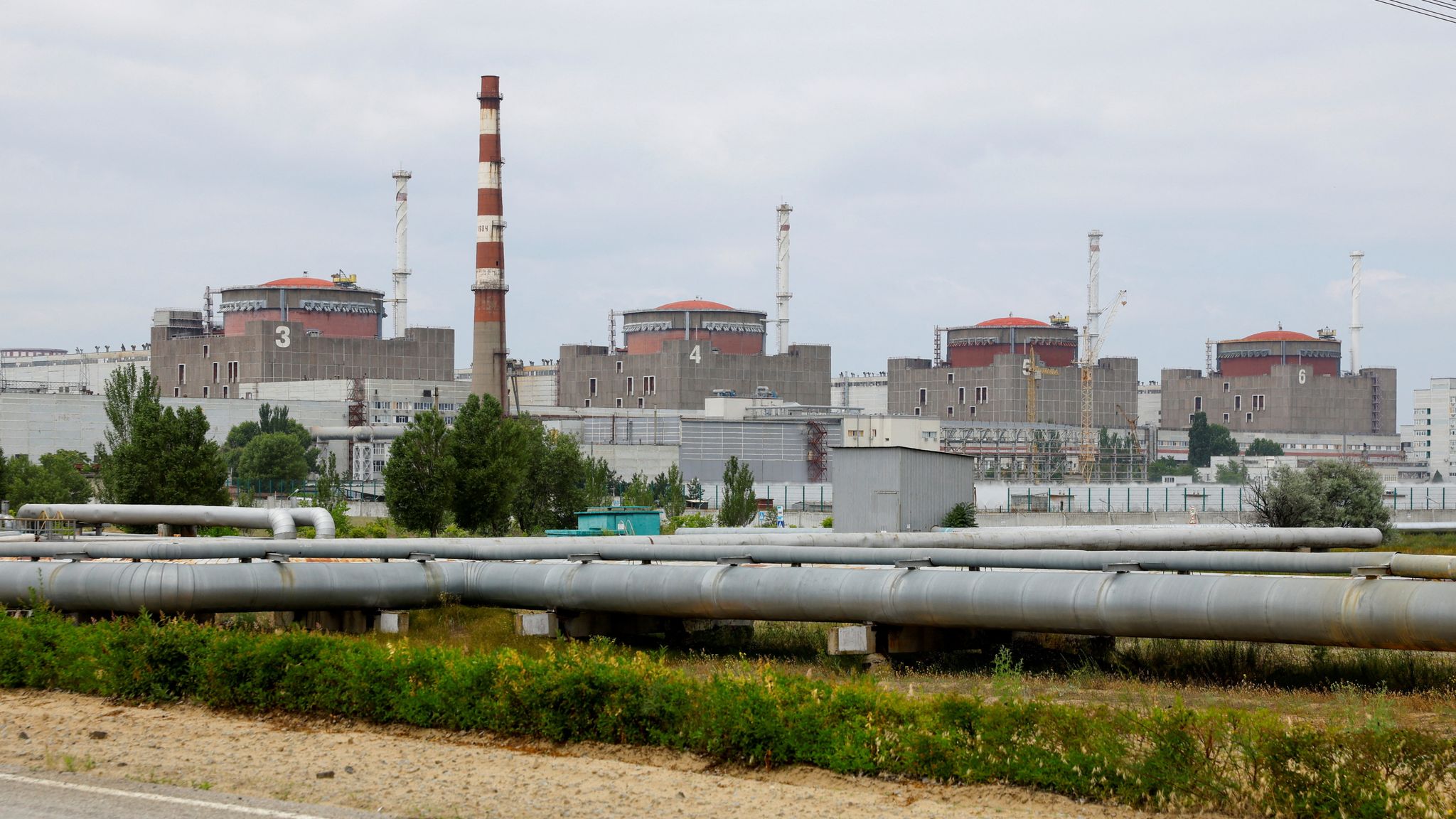
Europe’s largest nuclear facility is once again at the centre of global concern. The Zaporizhzhia nuclear power plant in southern Ukraine, under Russian control since 2022, faces a growing pattern of disruption—combining military activity, power instability and operational uncertainty.
Recent incidents have sharpened the urgency. A drone strike near the site killed a worker, while separate reports confirmed another attack targeting infrastructure linked to radiation monitoring. International inspectors continue to warn that even limited damage near such a facility carries serious consequences.
A Facility Caught Between Conflict and Critical Function
The plant no longer generates electricity, yet it remains highly active. Its six reactors still require continuous cooling to prevent overheating of nuclear material—a process dependent on a stable power supply.
That stability has proven fragile. The site has repeatedly lost external power, forcing reliance on emergency diesel generators. One recent outage marked the 15th such incident since the start of the war, highlighting how frequently safety systems are being tested.
Each failure narrows the margin for error. Backup generators provide a temporary solution, not a long-term safeguard.
Why Power Losses Matter More Than They Appear
At first glance, a power outage may seem routine. In a nuclear facility, it carries far greater weight.
Cooling systems must operate continuously to regulate temperature within reactors and spent fuel storage. Interruptions—even brief ones—can escalate quickly if backup systems fail or fuel supplies run low.
The situation creates a chain reaction of risk:
- External power lines become strategic targets
- Backup systems face repeated strain
- Repair efforts are delayed by ongoing conflict
A local ceasefire has occasionally allowed engineers to restore damaged lines, but these fixes remain temporary in an active war zone.
Escalating Military Activity Near the Site
Strikes near the plant continue to raise alarm among international observers. The International Atomic Energy Agency has repeatedly stressed that attacks in the vicinity of nuclear facilities must be avoided.
“strikes on or near nuclear power plants can endanger nuclear safety and must not take place.”
Despite these warnings, incidents persist. Both Russia and Ukraine have accused each other of endangering the facility, turning the plant into a focal point of competing narratives as well as strategic positioning.
Operational Pressure Behind the Scenes
Beyond physical damage, the plant faces operational strain. Reports indicate staffing challenges and pressure on Ukrainian workers under occupation, adding another layer of complexity to maintaining safety standards.
Running a nuclear facility requires precision, consistency and experienced personnel. Disrupt any one of those elements, and the system becomes harder to manage.
The situation mirrors a high-stakes business under constant disruption. Imagine a company forced to operate critical infrastructure while dealing with supply chain breakdowns, workforce instability and external threats—all at once. The margin for miscalculation narrows rapidly.
A Broader Warning for Global Nuclear Security
The risks at Zaporizhzhia extend far beyond Ukraine. Nuclear facilities were never designed to operate in active conflict zones, yet this plant has become a real-world stress test for global safety frameworks.
The implications are difficult to ignore:
- A prolonged power failure could trigger overheating
- Continued strikes increase the risk of structural damage
- Limited access for inspectors delays critical assessments
Each factor alone presents a challenge. Combined, they create a scenario where uncertainty becomes the most dangerous variable.
The Question Facing the International Community
The situation at Zaporizhzhia underscores a shift in how infrastructure is exposed during conflict. Critical systems—once considered off-limits—are now directly or indirectly drawn into geopolitical strategy.
The question is no longer whether nuclear facilities can remain safe in war zones. Events on the ground suggest that assumption no longer holds.
The more pressing question is this: how long can systems designed for stability operate under sustained disruption before the risks move beyond containment?
Author: George Nathan Dulnuan