
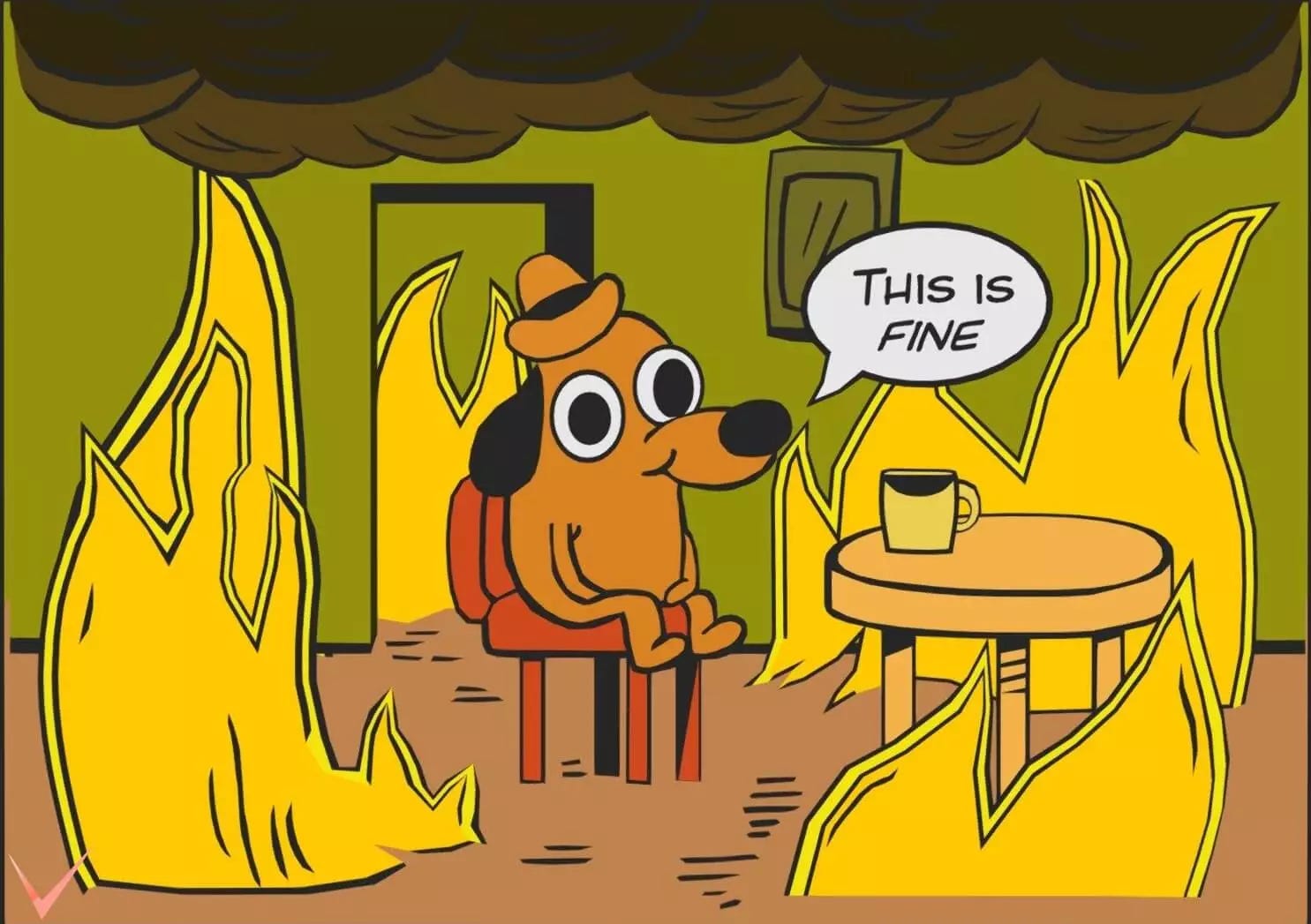
An AI startup sparked controversy after using the well-known “This is fine” comic in an advertisement without permission.
Creator KC Green responded directly, saying the artwork “has been stolen like AI steals”.
The advert promoted an AI sales tool designed to replace human roles. That framing intensified criticism, as the campaign both used existing creative work and positioned automation as a substitute for human labour.
The company said it is now reaching out to resolve the issue.
This situation reflects a growing tension in AI development. Companies build products at speed, often drawing on vast datasets. Creators question whether their work has been used without consent or compensation.
Many professionals recognise the trade-off. Moving quickly can secure market share, but cutting corners on ownership or attribution can create legal and reputational risk.
Clear parallels exist in other industries. Media companies that rushed into digital distribution without securing rights faced lawsuits and costly settlements. AI firms may now confront a similar phase.
The case raises practical questions for the industry:
- How should companies verify the origin of training data and creative assets?
- What standards define fair use in AI-generated or AI-assisted content?
- Where should accountability sit when systems reuse existing work?
If disputes like this increase, regulation or stricter licensing models may follow.
What happens if creators begin enforcing rights more aggressively? AI companies could face higher costs, slower development cycles and tighter oversight on how they build and market their tools.
Author: Pishon Yip