
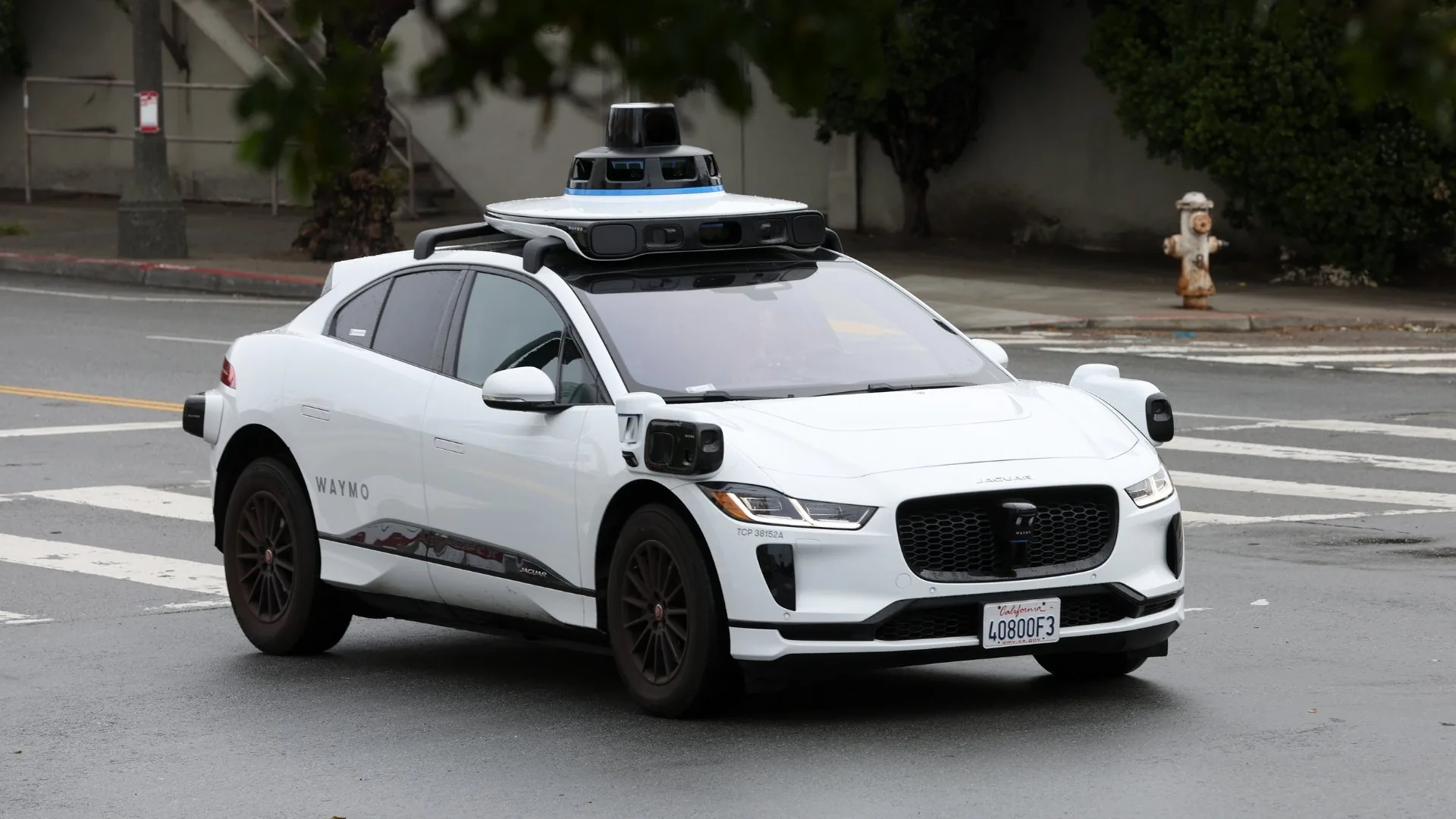
Alphabet-backed and long viewed as the most methodical player in autonomous driving, the company now plans to expand into more than a dozen new cities this year, including London and Tokyo. The funding round, led by Dragoneer Investment Group, DST Global and Sequoia Capital, values Waymo at $126 billion, according to the company. Alphabet supported the raise and retained its position as majority investor.
Additional backing came from Andreessen Horowitz and Mubadala Capital, alongside Bessemer Venture Partners, Silver Lake, Tiger Global and T. Rowe Price. Other participants included BDT & MSD Partners, CapitalG, Fidelity Management & Research Company, GV, Kleiner Perkins, Perry Creek Capital and Temasek.
The capital injection mirrors a moment many professionals recognise in their own careers: the transition from careful skill-building to visible scale. Waymo has spent years refining its technology quietly. Now it is deploying cash to turn technical credibility into operational reach.
The company said the funds will support growth that has already accelerated over the past year. Waymo recently secured approval to offer rides to and from San Francisco International Airport and expanded its service across Northern California. Its robotaxis now operate in major US cities including Los Angeles, Austin and Miami.
That momentum follows a long runway. The former Google self-driving project spent years testing autonomous vehicles on public roads in Silicon Valley and the Bay Area, largely out of public view. In 2016, it made a strategic leap to Phoenix, eventually removing human safety drivers from vehicles. Phoenix became Waymo’s first true robotaxi market, where the public could hail fully driverless Chrysler Pacifica minivans.
The inflection point came in August 2023, when regulators granted Waymo the final permit required to operate a paid robotaxi service in California. The company launched a limited service in San Francisco, then expanded across the Bay Area, Silicon Valley and onto the region’s freeways. Los Angeles followed. In 2025, Waymo entered Austin and Atlanta through a partnership with Uber, before kicking off this year with an expansion into Miami.
Scale has followed geography. Waymo now provides roughly 400,000 rides each week across six major US metropolitan areas. In 2025 alone, the company more than tripled its annual volume to 15 million rides, pushing lifetime rides past 20 million.
“We are no longer proving a concept,” the company wrote in its blog post. “We are scaling a commercial reality, laying the groundwork for ride-hailing operations in over 20 additional cities in 2026, including Tokyo and London.”
That statement carries broader implications for the mobility sector. If Waymo succeeds internationally, it could pressure traditional ride-hailing platforms, reshape urban transport planning and force regulators to harmonise safety standards across borders. For executives watching from adjacent industries, the lesson is familiar: once regulation clears and unit economics stabilise, growth can move quickly.
Rapid expansion has also intensified scrutiny. As Waymo’s vehicles have become more common, their mistakes have become more visible. Some robotaxis have displayed dangerous behaviour, particularly in school zones.
The National Highway Traffic Safety Administration’s Office of Defects Investigation and the National Transportation Safety Board have opened investigations into the illegal behaviour of Waymo robotaxis around school buses. The NHTSA launched another investigation last week after a Waymo robotaxi struck a child near a school. The vehicle was travelling at about 6 mph, and the child sustained minor injuries.
These incidents raise an uncomfortable but necessary question: what happens when scaling exposes edge cases faster than systems can adapt? For any company moving from pilot to mass adoption, whether in technology or leadership, growth amplifies both strengths and flaws.
Waymo now sits at that crossroads. The funding gives it the resources to expand aggressively. Public trust, regulatory tolerance and operational discipline will determine how far — and how fast — it can go.
Author: George Nathan Dulnuan