
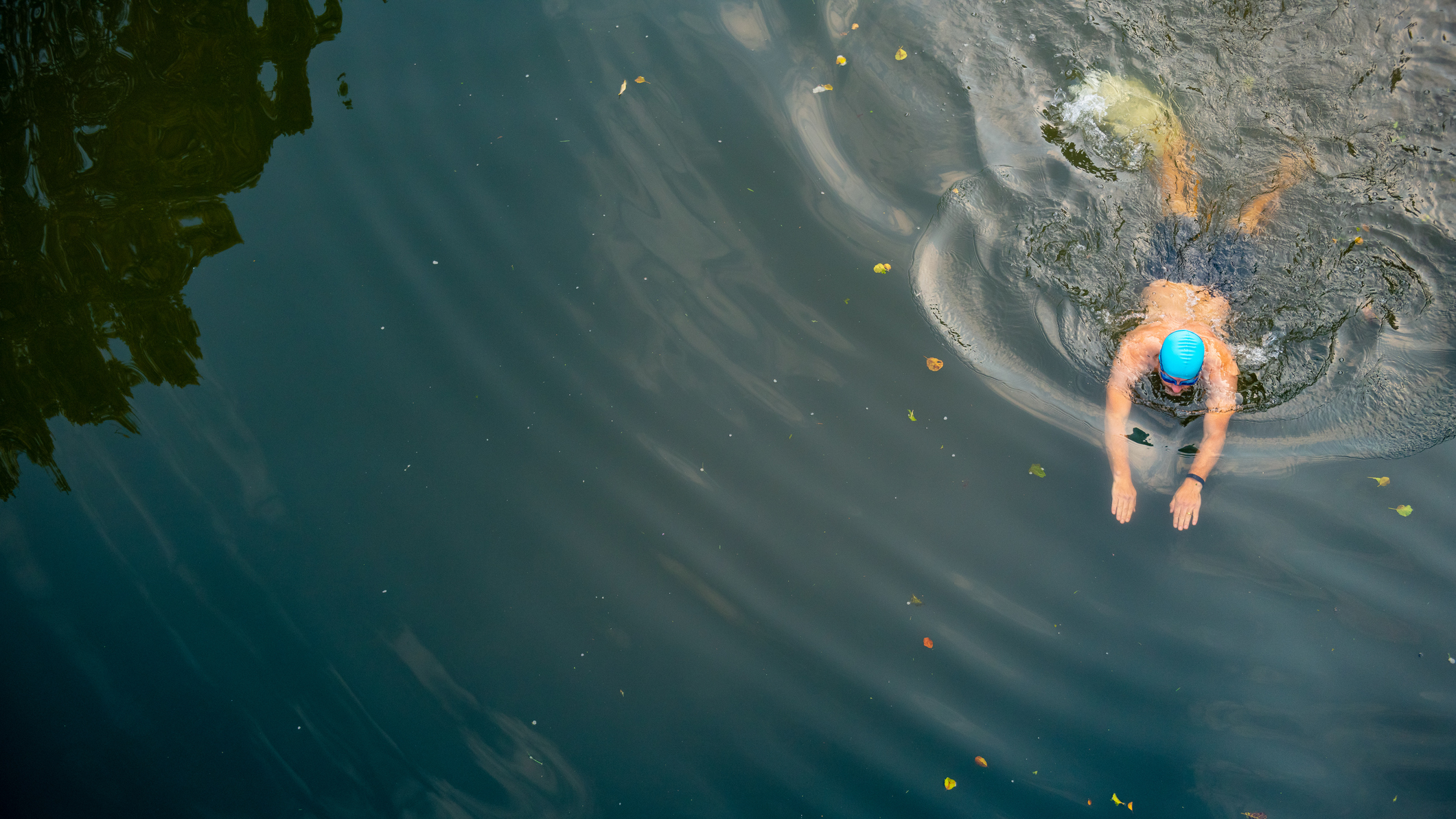
Swimmers concerned about water quality will soon be able to check the health of rivers before entering the water. A new AI-driven network of sensors aims to provide live pollution data across the UK’s rivers and waterways, translating complex environmental signals into clear guidance on whether conditions are safe to swim in or suitable for children.
The plan calls for thousands of miniature sensors to be installed nationwide by 2030. These devices will collect data directly from rivers and streams, with artificial intelligence converting the readings into practical insights for visitors. Instead of relying on delayed lab results, users could see near real-time assessments of water quality on demand.
Supporters argue the system tackles a long-standing blind spot in environmental monitoring. Sudden spikes in pollution often go unexplained for days. Real-time data could pinpoint causes as they happen, distinguishing between heavy rainfall, sewage overflows or agricultural runoff. That clarity matters for regulators, water companies and the public alike.
VodafoneThree will provide the IoT connectivity underpinning the network, enabling data from remote waterways to reach a central platform for analysis. Reliable transmission remains critical when many rivers flow far from urban infrastructure, where traditional monitoring struggles.
The project aligns closely with Section 82 of the Environment Act 2021, which requires water companies in England to continuously monitor water quality upstream and downstream of specific wastewater assets. AI-based monitoring could help firms meet those obligations while offering regulators a richer, more granular picture of river health.
Additive Catchments, the start-up behind the initiative, uses in-river sensors that capture readings every 15 minutes. The AI platform analyses patterns over time, flagging abnormal changes and identifying emerging risks. That frequency marks a sharp break from current practice, which depends on physical sampling and delayed laboratory analysis.
The shift mirrors changes seen in other sectors under public scrutiny. Energy grids now use live data to balance supply and demand. Transport networks rely on sensors to manage congestion before it builds. Water quality monitoring has lagged behind, despite rising public concern over pollution and river safety.
Real-time visibility could also reshape accountability. If pollution events become instantly visible, pressure on water companies, local authorities and landowners will intensify. What happens when data shows repeated contamination in the same stretch of river? Who acts, and how quickly?
Proponents hope the system will usher in a new era of transparency, giving the public simple, trusted insights into the condition of the UK’s most valued waterways. The larger question sits beneath the technology itself. Once people can see pollution as it happens, will tolerance for environmental degradation finally run out?
Author: George Nathan Dulnuan