
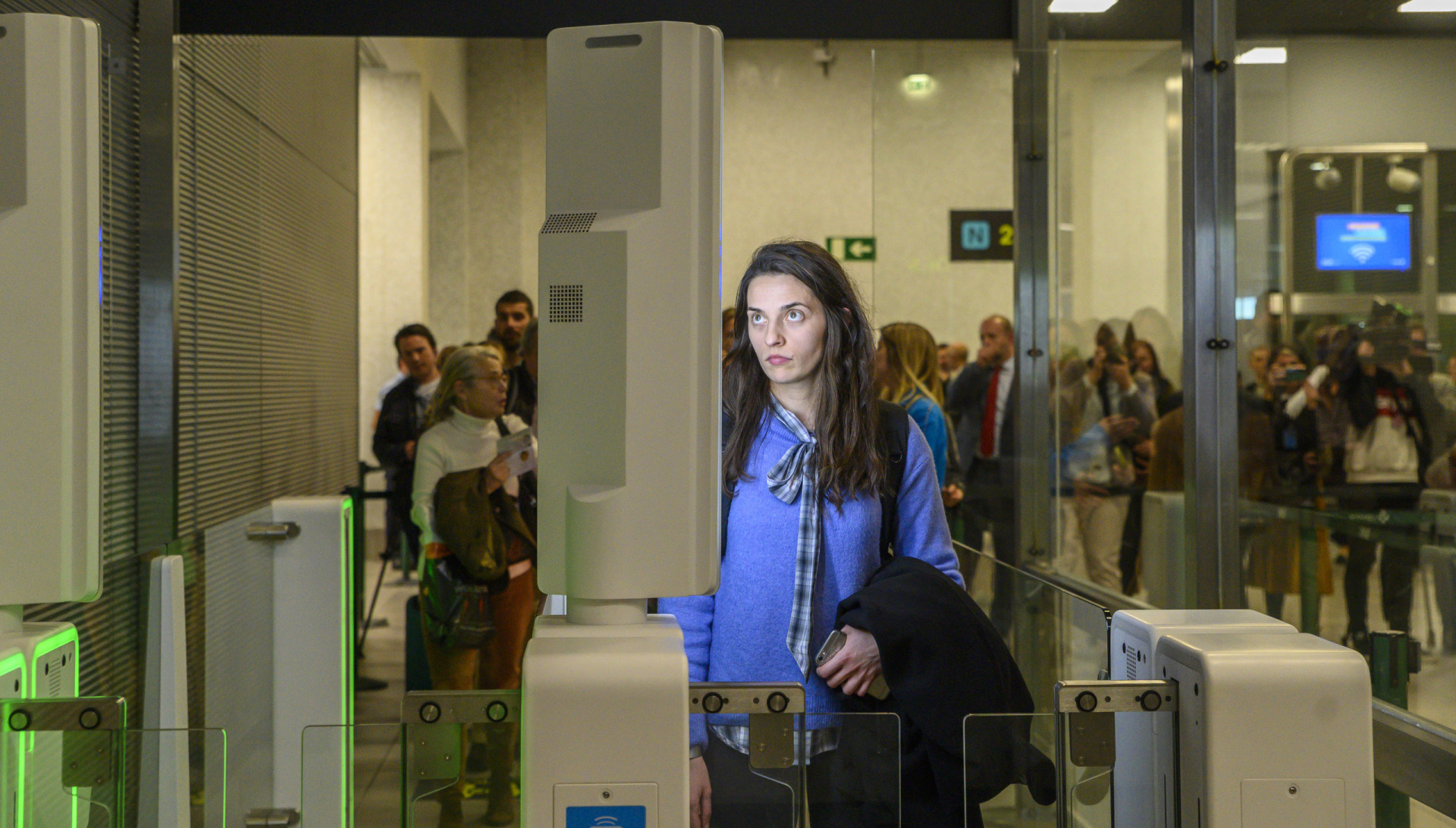
Airports are turning to artificial intelligence as global passenger numbers climb and pressure mounts on infrastructure. With air traffic forecast to reach 10.2 billion passengers in 2026, up 3.9 percent year on year, operators are investing heavily in technology to improve efficiency without eroding the passenger experience.
Data from Airports Council International shows airports leaning on AI to absorb rising demand. Rather than expanding terminals alone, executives are reworking operations, embedding AI into day-to-day workflows that govern how passengers move, how assets are maintained and how disruptions get handled.
AI now shapes decisions across passenger flow management, airside maintenance, cybersecurity and lost luggage. It also underpins both on-site and virtual customer service, according to analysts and experts speaking at the Airport AI Exchange event this month. The shift mirrors a choice many organisations face: build more capacity or extract more value from existing systems.
Predictive analytics sits at the centre of that effort. Airports use AI-powered tools to anticipate congestion at security, immigration and boarding gates before queues form. Teams then reallocate staff and resources in advance, moving from reactive crowd control to predictive operations that prevent delays rather than respond to them.
Baggage handling and border control illustrate the change clearly. AI-driven baggage optimisation tools reduce mishandled luggage, while biometric processing allows passengers to pass through immigration without presenting a physical passport. Airports see these systems as a way to speed journeys while maintaining tight operational control.
“AI started changing very rapidly in 2017 and initiated this entire AI race and enabled us to really use AI, the neural network that we talked about and heard about since the 1940s,” Amad Malik, chief AI officer at Airport AI Exchange, said.
“Since then, the progressions have been very, very steep. If you look at the curve from the first day to now, AI is able to do so much more. In only the last two years, the ability has grown exponentially.”
So where does AI deliver the most value today?
Analysts point to several core functions:
- Automated check-ins and boarding
- Baggage handling and tracking
- Predictive maintenance of equipment
- Security screening
- Personalised passenger services and assistance
AI-powered analytics also allow airports to tailor services to individual preferences, smoothing the journey from check-in to boarding. Mahmood AlSeddiqi, former vice president of IT for the Bahrain Airport Company, said these systems enable a more personalised and efficient experience without adding friction.
Yet the sector’s adoption lags behind the pace of technological progress elsewhere. While AI capabilities have advanced rapidly, aviation has moved cautiously. That restraint reflects the industry’s foundations.
“AI has progressed exponentially over the past few years, but compared to that curve, aviation’s use of AI is still negligible,” Malik said, pointing to the industry’s reliance on legacy systems and conservative operating model.
Many core aviation systems date back decades. Innovation moves slowly because the stakes remain high. Failures do not mean lost clicks or delayed deliveries. They risk lives.
“When you’re dealing with people’s lives, safety and regulation outweigh speed of innovation,” Malik noted.
That trade-off defines the sector’s challenge. How far can airports push AI-driven efficiency without compromising trust? And as passenger numbers surge, can incremental gains from smarter systems keep pace with demand, or will infrastructure limits eventually force tougher choices?
Author: George Nathan Dulnuan