
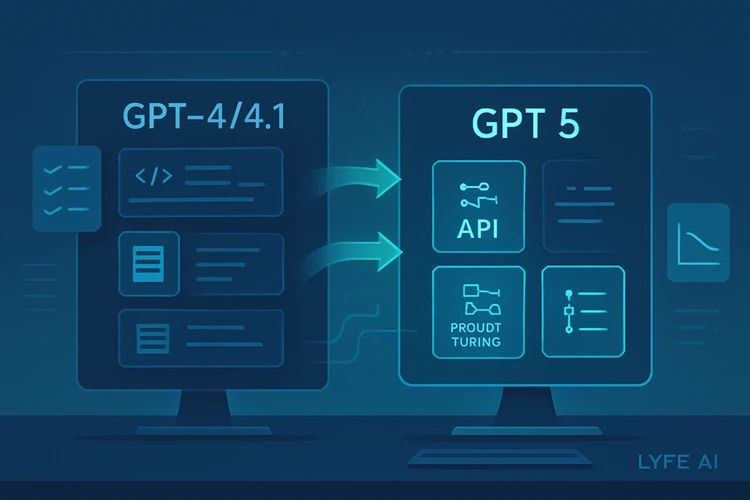
OpenAI is preparing to retire several existing ChatGPT models as it shifts focus towards its next generation of systems, widely expected to fall under the GPT-5 label. The move signals a push to simplify its product lineup as expectations around performance, reliability and capability continue to rise.
ChatGPT-4o points to the strategy behind the change. By combining speed, multimodal features and lower operating costs, it reduces the need for multiple overlapping models. Maintaining a broad range of versions adds complexity for users and developers, while newer systems can increasingly handle those roles within a single platform.
The transition mirrors decisions many organisations face when legacy tools begin to hold back progress. Retiring older models allows OpenAI to concentrate resources on improving reasoning, safety and consistency, even if it forces developers and businesses to adjust workflows built around earlier versions.
The shift highlights a broader trend in AI development. Growth now comes from refining fewer, more capable systems rather than expanding choice. As OpenAI moves towards GPT-5, the key question for users is whether the next generation delivers enough practical value to justify leaving familiar models behind.
Author: Victor Olowomeye